FALL SPECIAL Up to $5,000 off a new roof installation. Applies to new roof installs only. Get my free estimate

Seattle Roofing Company for Offices

Seattle Roofing Company for Offices You Can Trust

Roof Work Planned Around Your Building

Washington Weather Shield provides commercial roofing for office buildings across the Greater Seattle and Puget Sound region. We work with property owners, managers, and general contractors on roof repairs, maintenance, restorations, and replacements.

Office buildings may have low-slope roofs, pitched sections, rooftop equipment, and occupied suites below. We assess the roof as a complete system and plan the work around building access, tenant schedules, and the needs of your property. When a scope includes noisy work or products with noticeable odors, we coordinate timing and precautions with building management before work begins.

5.0 Google · 47 reviews
Up to 30-Year Warranty
Tenant-First Install
FALL SPECIAL
Up to $5,000 Towards a Roof Replacement
*Terms apply. Offer expires 12/31/26

Request a Free Estimate

Same-day callback Mon–Fri. We’ll inspect, scope, and quote in writing.

Office Buildings We Serve

Commercial Roofing for Office Complexes and Towers

Office properties range from a small professional building to a downtown tower with a mechanical penthouse. Each site has different access, staging, and scheduling needs. We plan the work for the building and the people who use it.

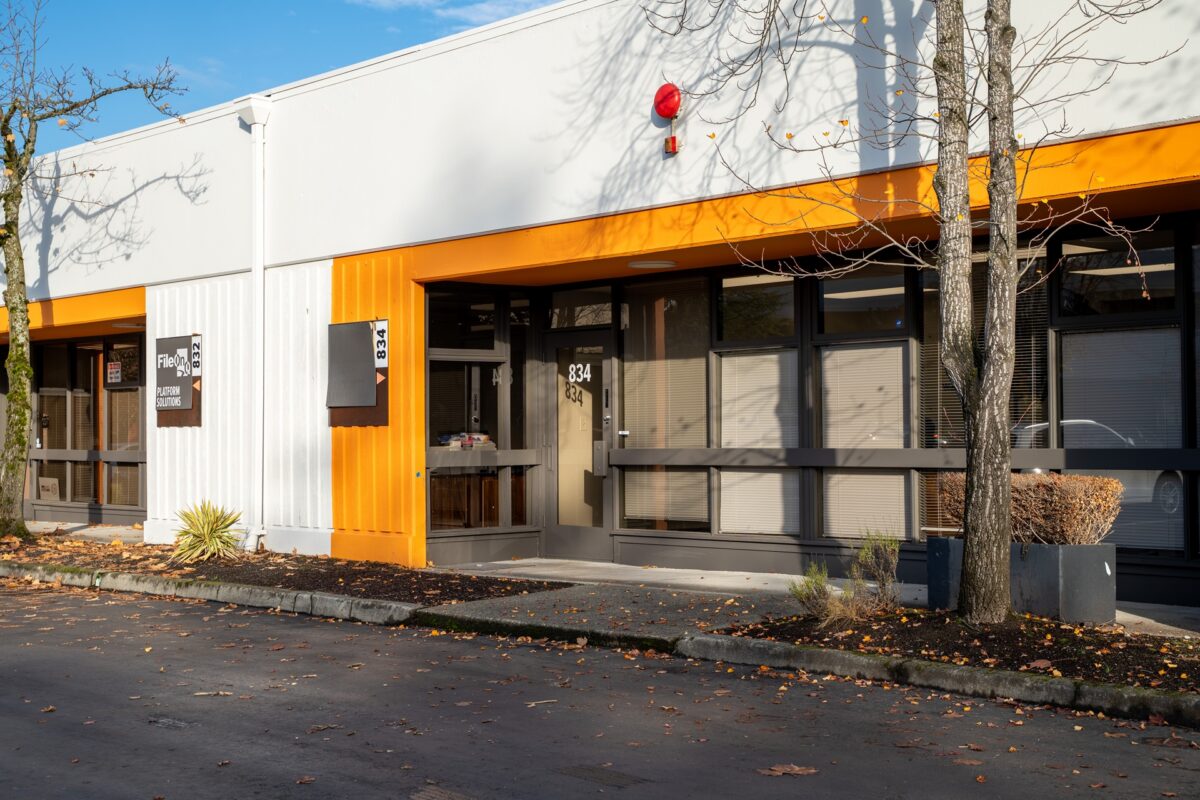
Exterior of a single-storey commercial office building with a low-slope roof and orange entrance bays
01

Single-tenant and owner-occupied offices

Roof repairs and replacements coordinated around your staff, client meetings, and the rooms that cannot lose power or air.

02

Multi-tenant office buildings

One roof over many leases. We coordinate notices, work hours, and access with property management so each suite knows what to expect.

03

Office parks and campuses

Commercial roofing for office complexes with several buildings, phased one building or section at a time to keep parking and entrances open.

04

Mid-rise and high-rise office buildings

Office buildings 5+ stories, with crane or hoist coordination, rooftop equipment planning, and fall protection as needed.

05

Mixed-use buildings with office floors

Office space above retail or below residential units. We plan the work around every type of occupant sharing the building.

Our Office Roofing Services

The Right Level of Help for Your Roof

We handle leak repairs, routine maintenance, and office roofing installation services for new buildings and full replacements. Every job starts with an assessment, so the work matches the roof’s condition and your plans for the property. See our full range of commercial roofing services.

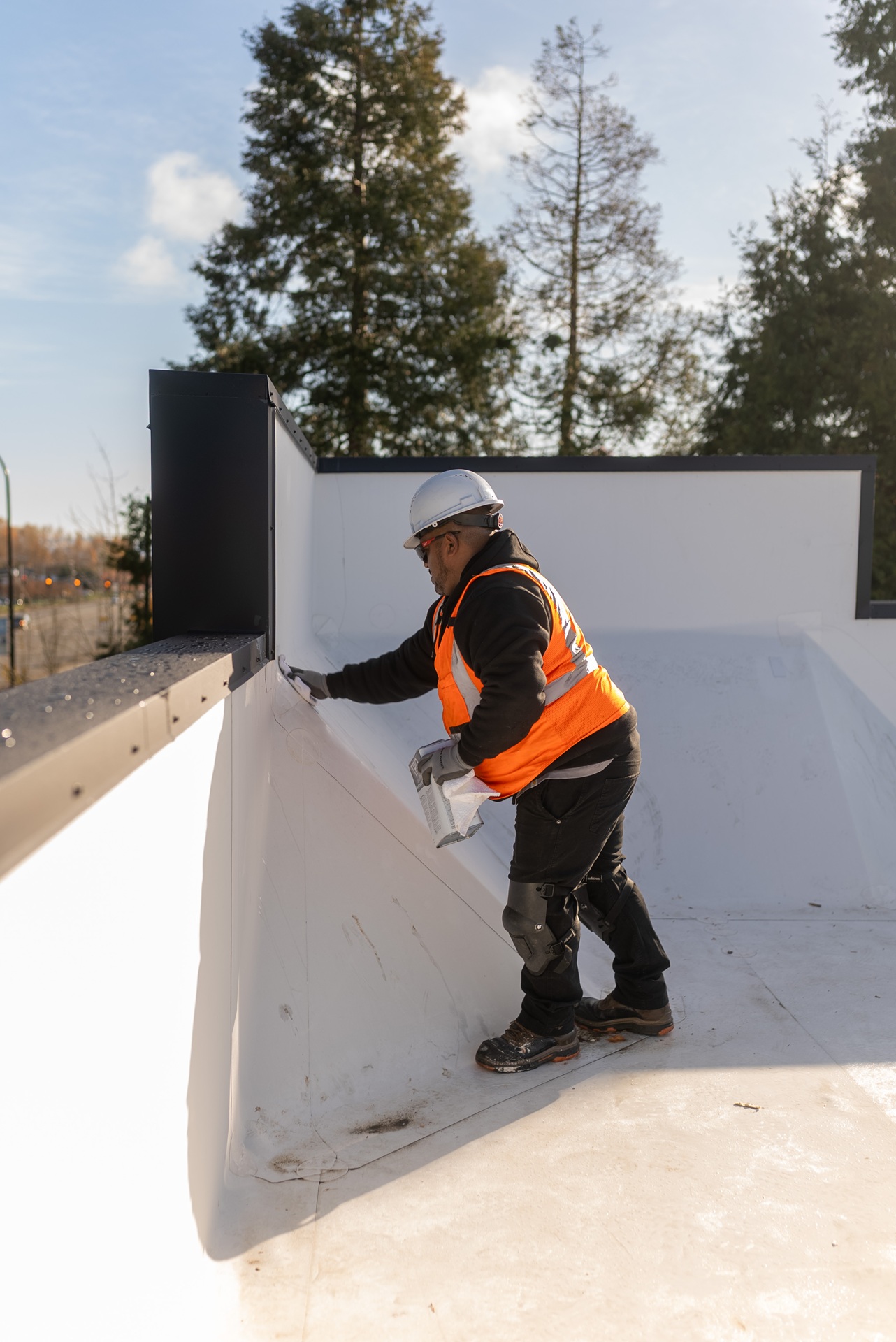
Roofer sealing a membrane seam along the parapet wall of a white commercial flat roof

Full replacement for roofs at the end of their service life.

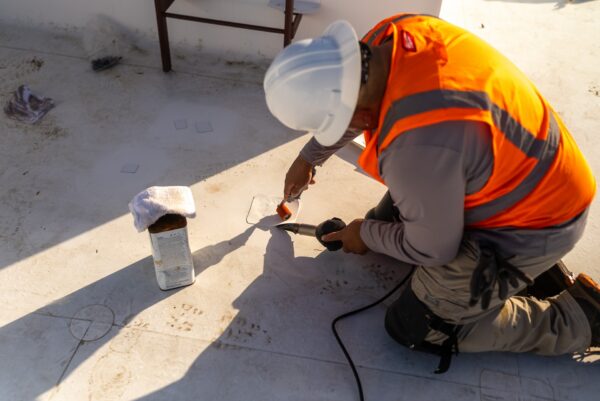
Roofer heat-welding a membrane detail on a commercial flat roof

Targeted repairs to address leaks, damage, and vulnerable roof areas.

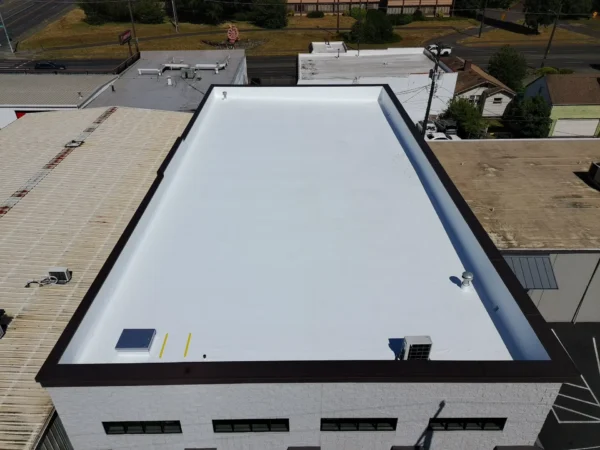
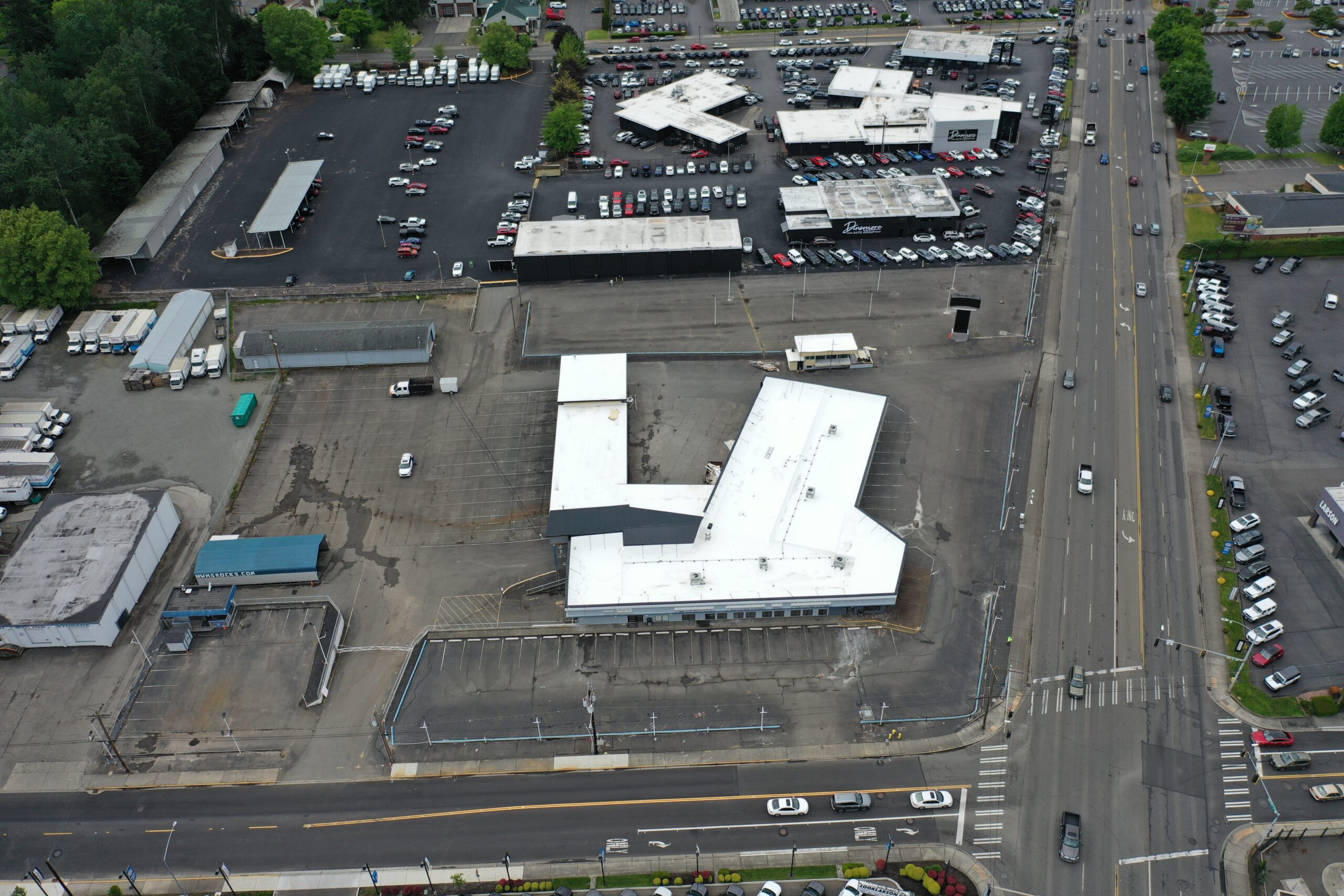
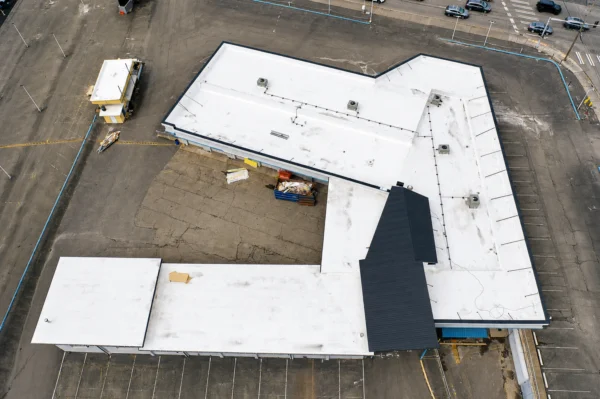
Aerial of the finished white TPO roof with dark edge metal, S Washington St, Tacoma, WA

Roofing for new buildings, additions, and major renovations.

Washington Weather Shield commercial roof tear-off in Puyallup

Commercial Roof Retrofit

A new engineered roof installed over the existing structure.

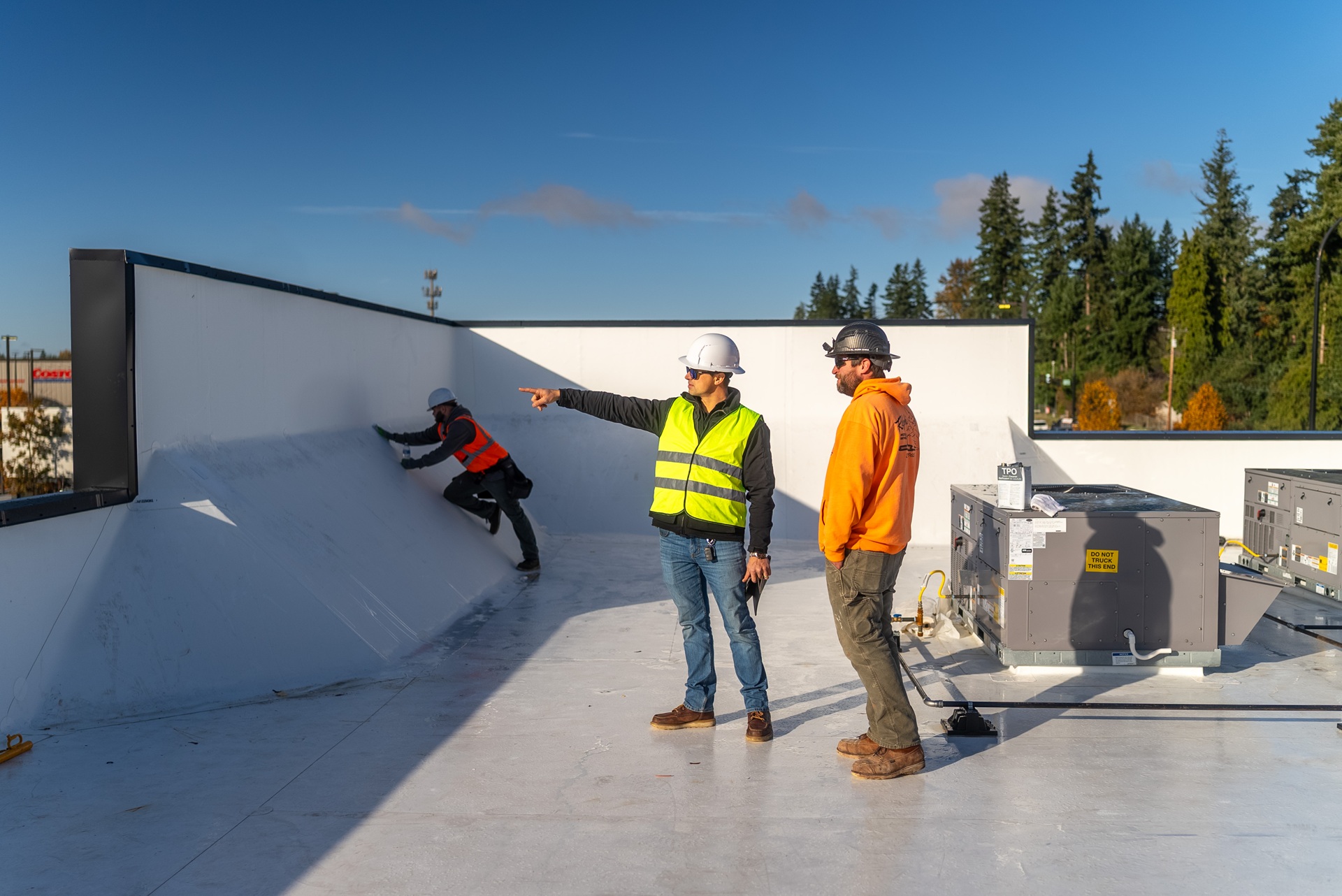
Washington Weather Shield project manager directing a crew coating a rooftop parapet wall

Scheduled care that catches issues early and extends roof life.

Washington Weather Shield service van parked at a commercial job site in Washington

Fast response for active leaks and storm damage.

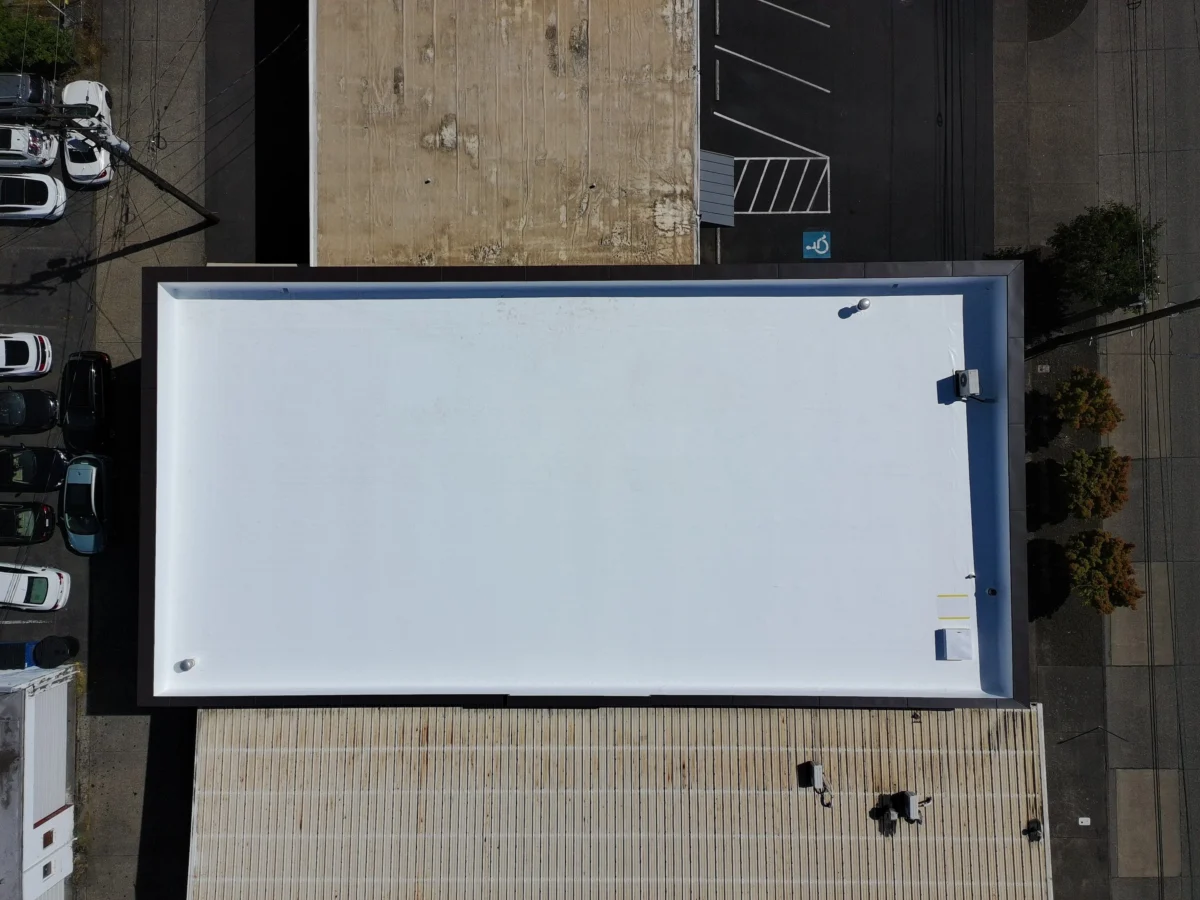
Rear roof section with its new white coating, top-down aerial, Seattle, WA

Routine roof cleaning to help maintain proper drainage and protect roofing systems.

Roofing crew carrying membrane rolls across the parking lot of a commercial building under construction

Insulation added during re-roofing to meet current energy code and reduce heat loss.

What Makes Office Building Roofing Different

What Sits on the Roof and Who Works Below It

The roofing membrane may be the same one used on a warehouse, but office buildings often have more occupants, rooftop equipment, and access requirements to coordinate. We review these conditions before recommending a scope.

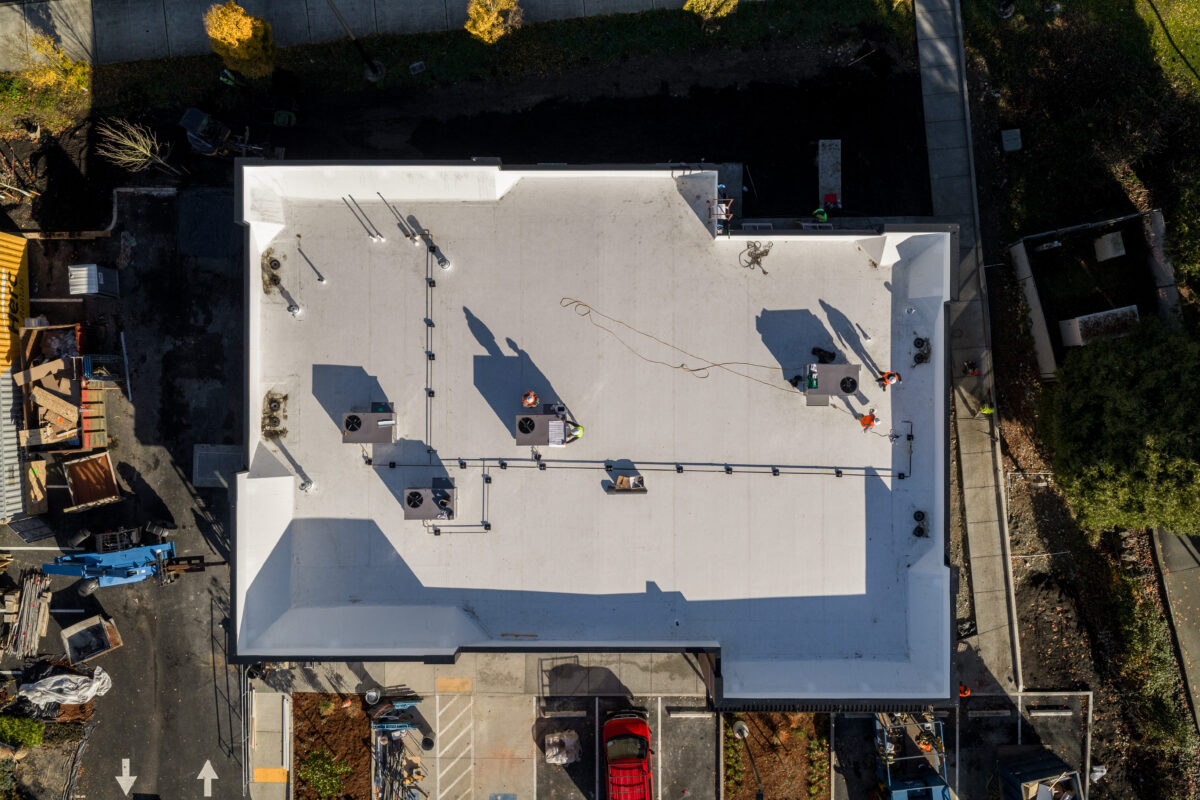
Roofing crew on a white membrane roof with rooftop HVAC units and equipment curbs, seen from directly above
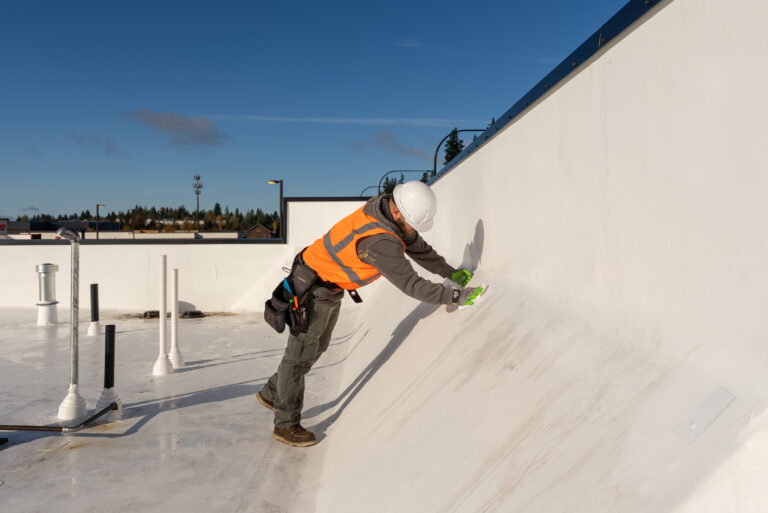
Roofer smoothing a white membrane up the parapet wall of a commercial flat roof

HVAC equipment and outdoor-air intakes

Rooftop units, exhaust fans, and outdoor-air intakes can affect how roofing work is scheduled. Some adhesives and primers may produce noticeable odors while they cure. Before work begins, we identify nearby intakes and coordinate any shutdown, filtration, or other precautions with building management and the building engineer.

Penetrations and equipment curbs

Pipes, conduit, antenna mounts, and equipment curbs all require compatible flashing details. We document roof penetrations and coordinate around equipment that may need service by other trades.

Parapets, coping, and wall transitions

Leaks can occur where the roof meets walls, parapets, coping, windows, or roof edges. When a ceiling stain appears near an exterior wall, we inspect these transitions as well as the field membrane before identifying a repair.

Roof decks and amenity terraces

Rooftop terraces and walkable decks need waterproofing suited to their intended use. For maintenance paths, a PVC system with walkway pads can protect areas of repeated foot traffic.

Davits, tie-backs, and fall protection

Window-washing davits and tie-back anchors pass through or attach to the roof assembly. Their flashing and surrounding roof details need to remain watertight while the equipment remains usable. Project safety planning includes applicable fall-protection requirements.

Wet-season leak investigation

Our wet season runs from fall into spring. On an office roof, water can travel along the deck or insulation before it drips through a ceiling tile, so the stain in a suite rarely marks the entry point. We trace leaks from the roof side and check for wet insulation before we patch anything.

Office Roofing in the Greater Seattle Area, By the Numbers

Figures That Shape Office Roof Planning
38 years

Office buildings account for 17% of U.S. commercial floorspace, and the median office building is 38 years old

Many office roofs we inspect are on their second or third roof, with layers, penetrations, and repairs left by earlier owners

30%

Space heating is the largest single energy use in office buildings, at 30% of consumption

Heat loss through the roof matters here. Reflective membranes lower summer cooling loads, but in our marine climate they can add to winter heating needs, so we size insulation first and treat roof color as a second decision

50,000 sq. ft.

Washington's Clean Buildings Performance Standard covers buildings with more than 50,000 sq. ft. of nonresidential space, with deadlines from June 2026 to June 2028 by size

A roof replacement is a practical time to add insulation that supports your building’s energy-use target

500 sq. ft.

Seattle requires a re-roof permit for commercial repairs over 500 sq. ft. and for roof replacements

When sheathing or insulation is exposed, current energy-code insulation applies, which affects both scope and price

These rules apply to the building, but they shape the roof scope. Requirements also differ by city outside of Seattle. As an office roofing company in Seattle working across the region, we confirm them for each project and include them in the proposal before you approve the work.

Repair, Restore, or Replace Your Office Roof

Match the Roof Plan to Your Capital Plan

Roof age alone does not determine whether replacement is necessary. We consider moisture in the roof assembly, repair history, visible damage, and your property’s budget and occupancy plans.

What we find
What it may indicate
Potential next step
What we findOne or two localized leaks and dry insulation
What it may indicateIsolated damage on a serviceable roof
Potential next stepTargeted repairs and a maintenance plan
What we findAn aging membrane with mostly dry insulation
What it may indicateSurface wear while the underlying assembly may remain serviceable
Potential next stepEvaluate restoration or coating eligibility
What we findWet insulation in limited areas
What it may indicateMoisture may be confined to specific roof sections
Potential next stepReplace affected areas and reassess the remaining roof
What we findWidespread wet insulation or deck damage
What it may indicateMore extensive deterioration of the roof assembly
Potential next stepConsider partial or full replacement
What we findRepeated leaks and rising repair costs
What it may indicateRepairs may no longer be the most practical long-term option
Potential next stepCompare replacement with continued repairs

Timing also matters. A roof project may be easier to coordinate while a floor or building is vacant, before a major tenant move-in, or alongside planned capital work. Larger projects may be phased by section, depending on the roof and schedule.

Roofing Systems for Office Buildings

Flat Roofing for Office Buildings and Their Sloped Sections

Most office buildings in our region have low-slope roofs, and some combine several roof types. System selection depends on the roof deck, drainage, rooftop traffic, building use, and project goals. We install roofing systems for low-slope (flat) roofs and steep-slope (pitched) roofs where the selected system is appropriate.

Tap a roof system to see details

TPO Roofing

A single-ply membrane commonly used on large low-slope roofs. Seams are heat-welded. System details and installation methods are selected for the roof assembly and site conditions.

Explore commercial TPO roofing
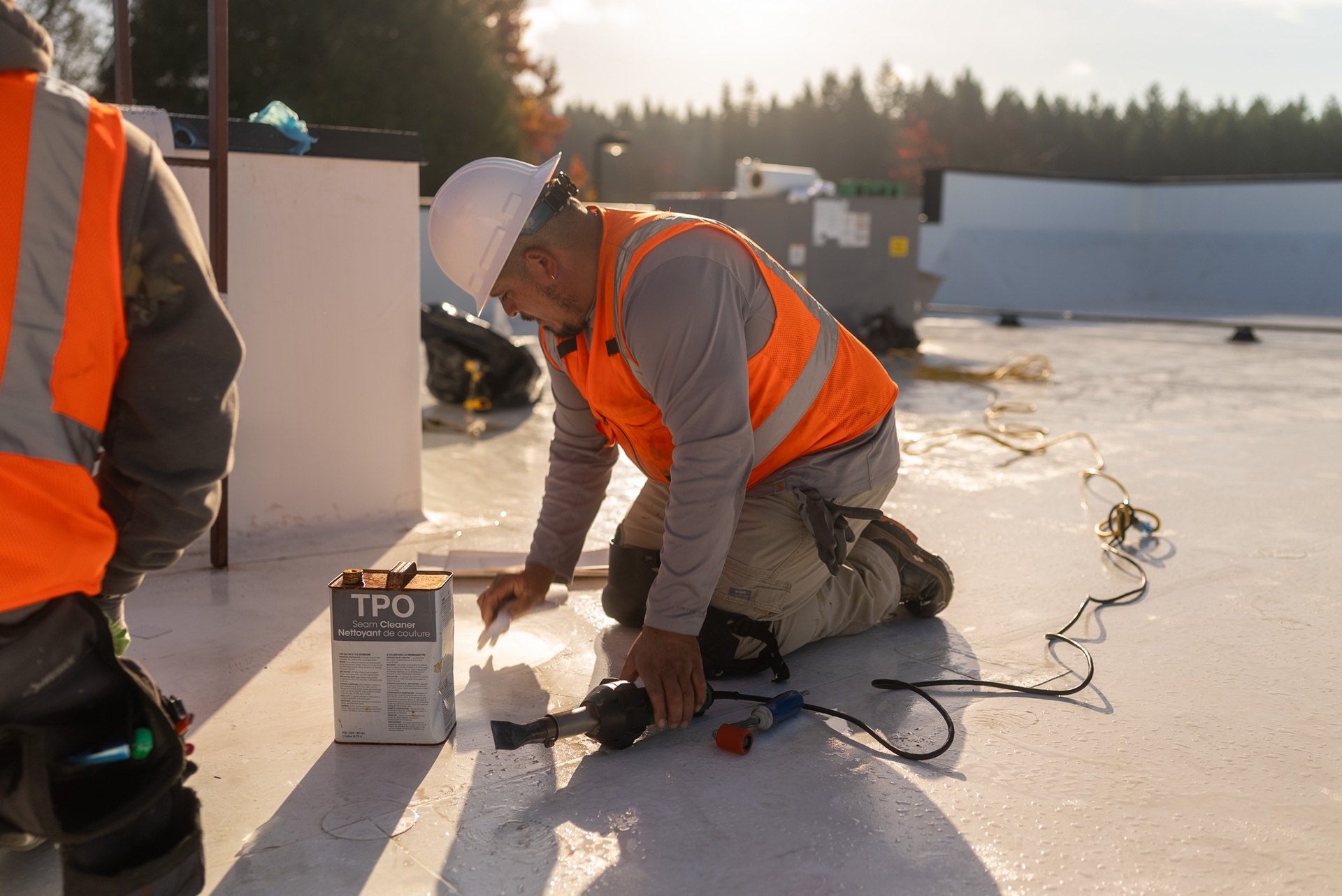
Washington Weather Shield roofer heat-welding a TPO membrane seam on a flat commercial roof

PVC Roofing

A heat-welded single-ply membrane that may be considered for roofs with rooftop traffic, restaurant exhaust, or deck areas, depending on the project requirements.

Explore commercial PVC roofing
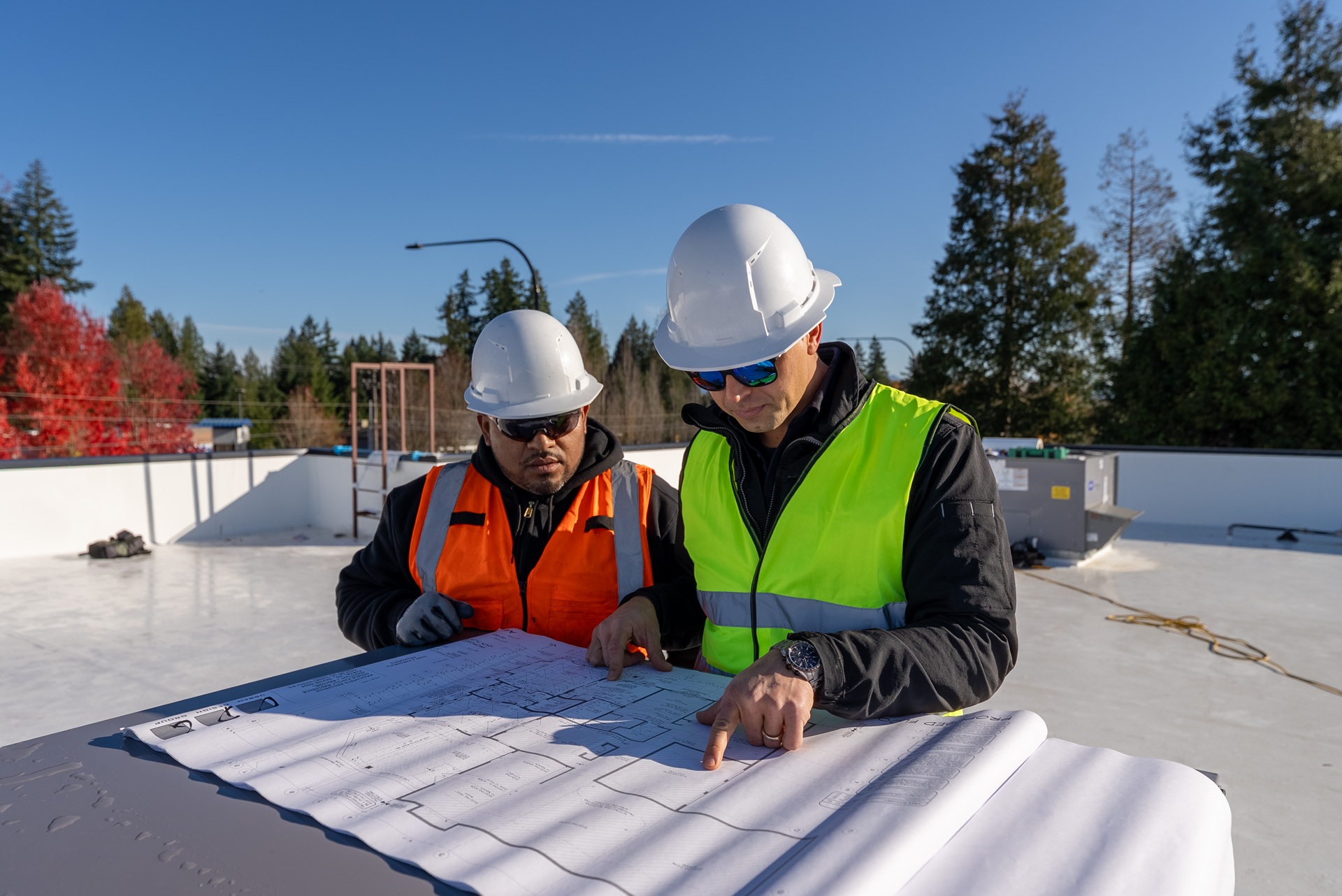
Two Washington Weather Shield team members reviewing building plans on a commercial rooftop

EPDM Roofing

A rubber roofing membrane found on many existing low-slope roofs. Depending on its condition and the roof assembly, repair, recover, or replacement may be appropriate.

EPDM synthetic rubber commercial roof

Roof Coatings

A coating may restore an eligible roof and defer replacement. Eligibility depends on the condition of the roof assembly, including the insulation and substrate, not surface appearance alone.

Explore commercial roof coatings
Washington Weather Shield crew unloading tools and materials from a service van at a commercial job site

Metal Roofing

Used on canopies, mansards, pitched sections, and some low-slope applications when the panel system and roof conditions are suitable.

Explore commercial metal roofing
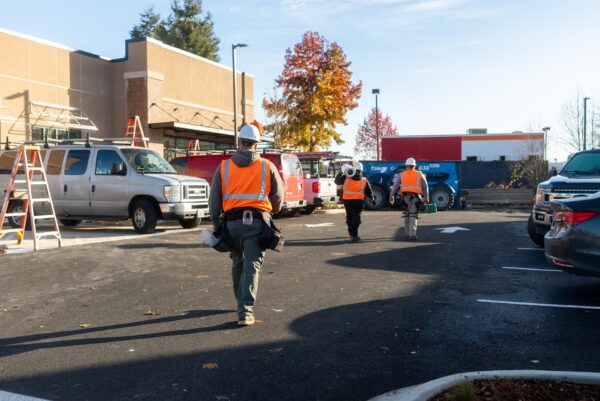
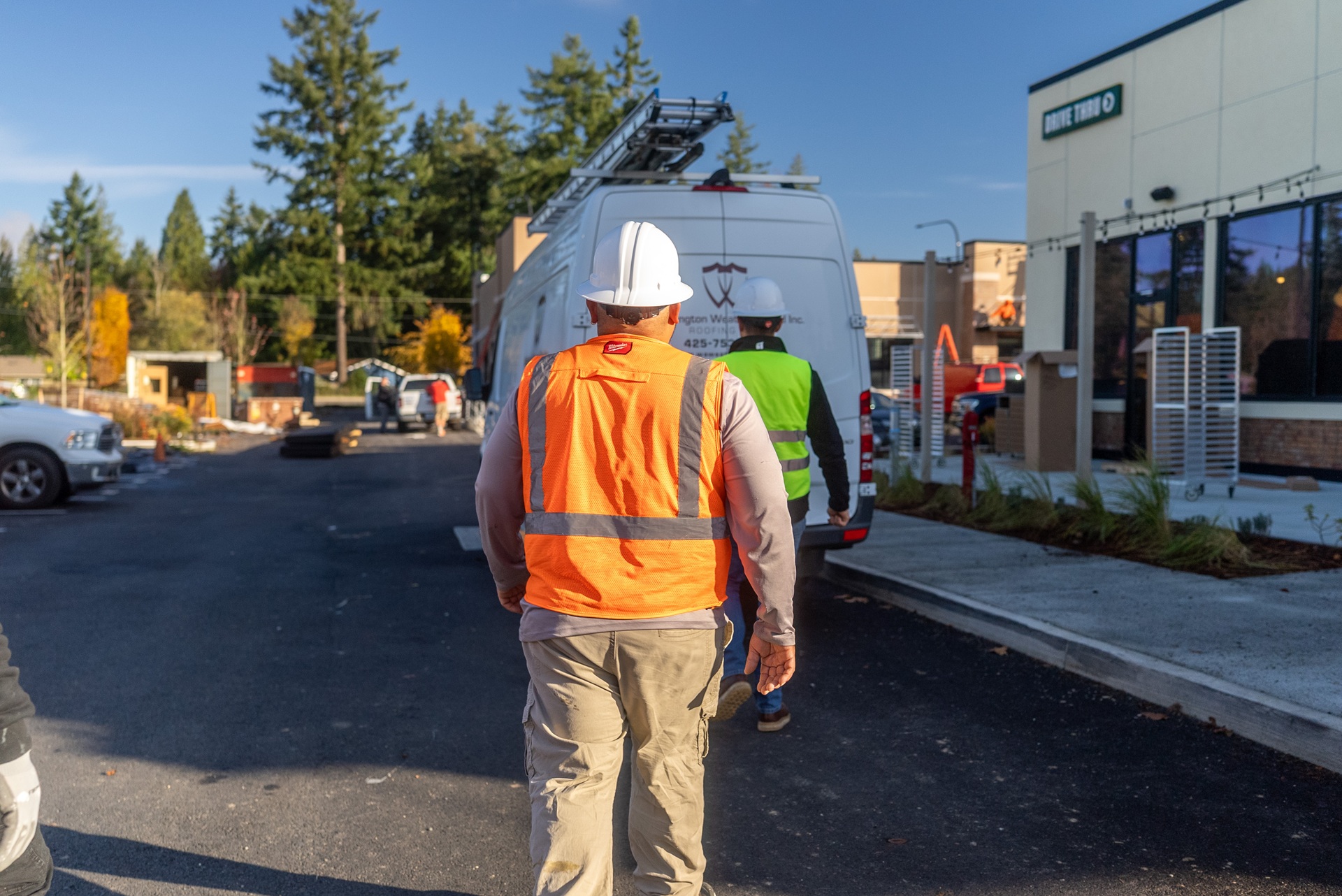
Washington Weather Shield crew walking to their service van at a commercial job site

Coordinating Work in Occupied Office Buildings

Our Tenant-First Install Program for Office Properties

Most office roofing happens while tenants are in the building. Before work begins, we coordinate the schedule, access, and building-specific requirements with property management.

Work Hours and Noise

Plan loud work around building operations and any tenant quiet hours if required.

Elevators, Docks, and Lobbies

Schedule freight elevator and loading dock use and plan protection along material routes.

Crane Lifts and Street Use

Review lift timing, staging, and permit requirements with the appropriate parties.

Security and Access

Follow site procedures for badges, keys, escorts, roof hatches, and restricted areas.

Tenant Notices

Provide schedule information that management can share with tenants, including updates if plans change.

Weather Protection

Plan each day’s work so exposed areas are protected before the crew leaves.

With this planning, most office buildings stay open and fully occupied through the roof project.

Our Office Roofing Process

How We Run Your Office Roof Project
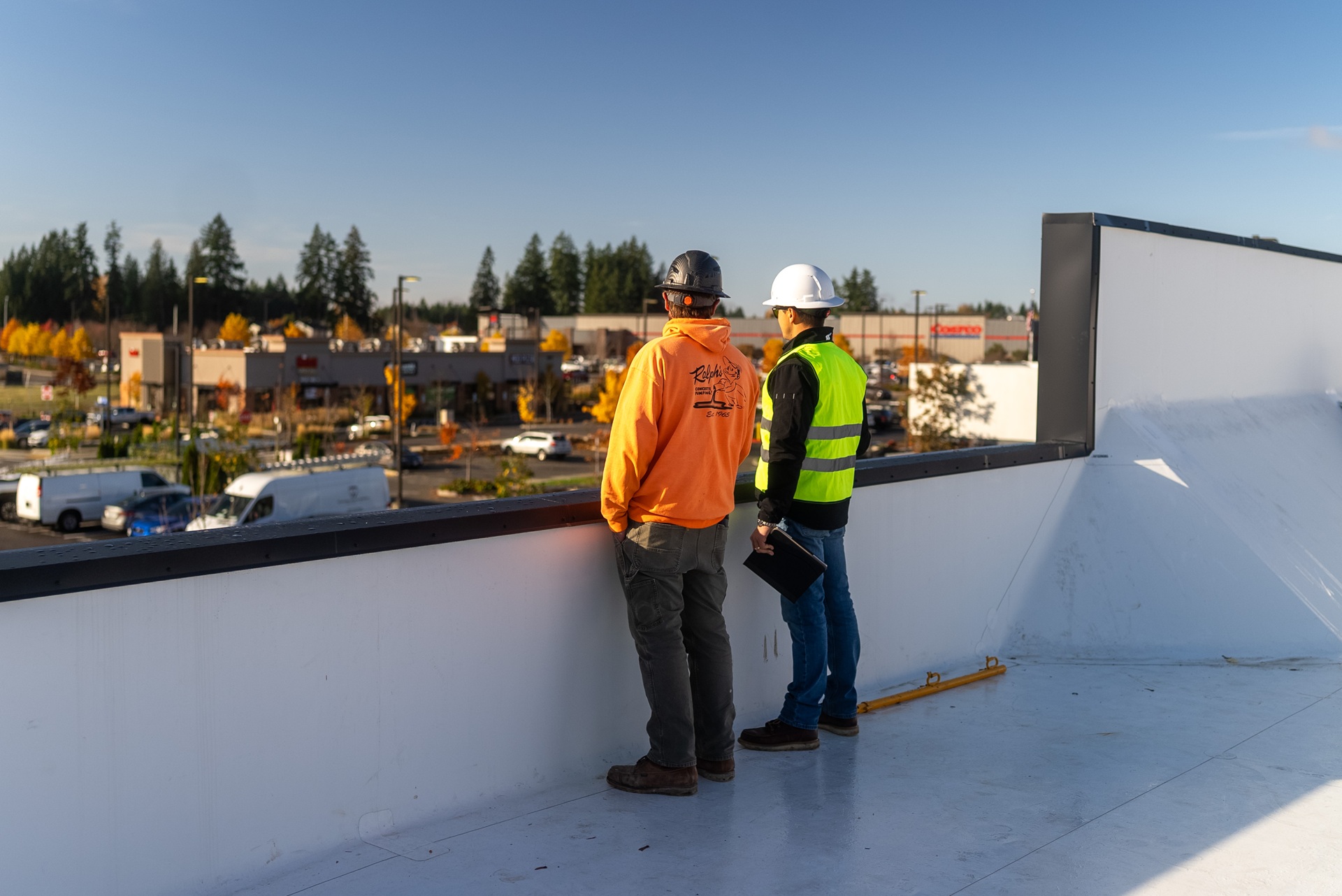
Washington Weather Shield project manager and crew member looking out over a completed flat roof

Step 1: Schedule your assessment

We walk the roof, photograph conditions, check for wet insulation, and review past repairs. We also note rooftop equipment, air intakes, access routes, and floors with special needs, such as server rooms or medical suites.

Step 2: Review the scope and schedule

You receive a written proposal with the recommended work, the roofing system, pricing, and a timeline. It is written so a property manager can forward it to ownership without editing.

Step 3: Complete the work and closeout

Our crew completes the work with progress photos at each milestone and cleanup at the end of every day. At handoff, you receive project photos, warranty documents, and maintenance notes for your records.

Why Choose Our Office Roofing Company

Why Owners and Managers Choose Washington Weather Shield

Ivan and Rita Prokopets own Washington Weather Shield and stay involved from the first roof walk to closeout. When you call our roofing office in Tukwila, you reach the people who priced your job. That access matters when you hire a Seattle roofing company for offices, because one schedule change affects every tenant in the building.

Tenant-First Install Program

Quiet hours where you need them, daily cleanup, and written tenant notices before we start.

On-Time, On-Budget Scorecard

A written scope, milestone sign-offs, and change orders approved before the work changes, so the final invoice matches the plan you signed.

Updates You Can Forward

Progress photos and short milestone reports, ready to send to ownership or an asset manager.

Cleaner Site Guarantee

Daily cleanup of the roof, staging areas, entrances, and parking, so tenants and visitors never walk past our debris.

Leak-Free Performance Pledge

If our work leaks, we are on site within 24 hours and fix it at no cost to you.

Certified Installers

We hold GAF GoldElite Commercial Contractor status and are certified with Versico, Duro-Last, and GE Enduris, so your roof qualifies for manufacturer-backed warranties.

Portfolio Care for PMs & Owners

Free roof audits, a three-year capital plan, and priority scheduling for owners and managers with several buildings.

Certifications & Partnerships

Trusted Partners. Certified Products. Better Projects.

Washington Weather Shield uses certified products on their projects and is backed by proven industry partners.

Certified Product Partners

Office Roof Projects Across Greater Seattle

Real Results From Buildings Like Yours

A look at recent commercial roofs we’ve installed, replaced, and protected across Western Washington.

Commercial Roof Project - Haven of Rest
Gig Harbor, WA

Haven of Rest

Metal Retrofit · TPO Upgrade

Roof retrofit upgrading aging standing-seam metal to a TPO system, no full tear-off needed.

View project →

Commercial Roof Project - Legend Auto Sales
Puyallup, WA

Legend Auto Sales

Tear-Off · Asbestos Abatement

Full roof tear-off with asbestos abatement and complete replacement for an auto dealership.

View project →
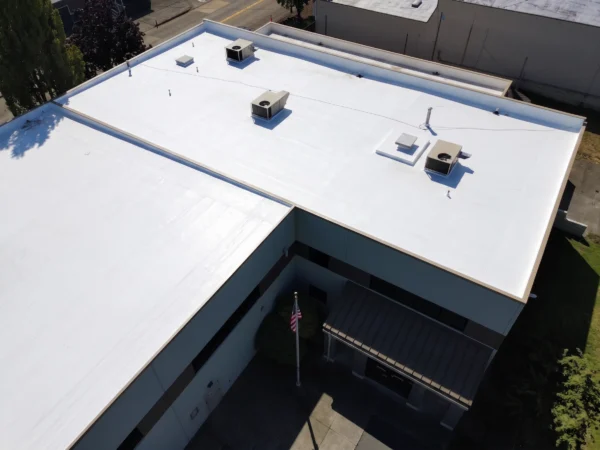
Commercial Roof Project - Demgy Pacific
Tacoma, WA

Demgy Pacific

TPO Roof Overlay

TPO overlay for a precision manufacturer of high-performance plastics and composite components.

View project →
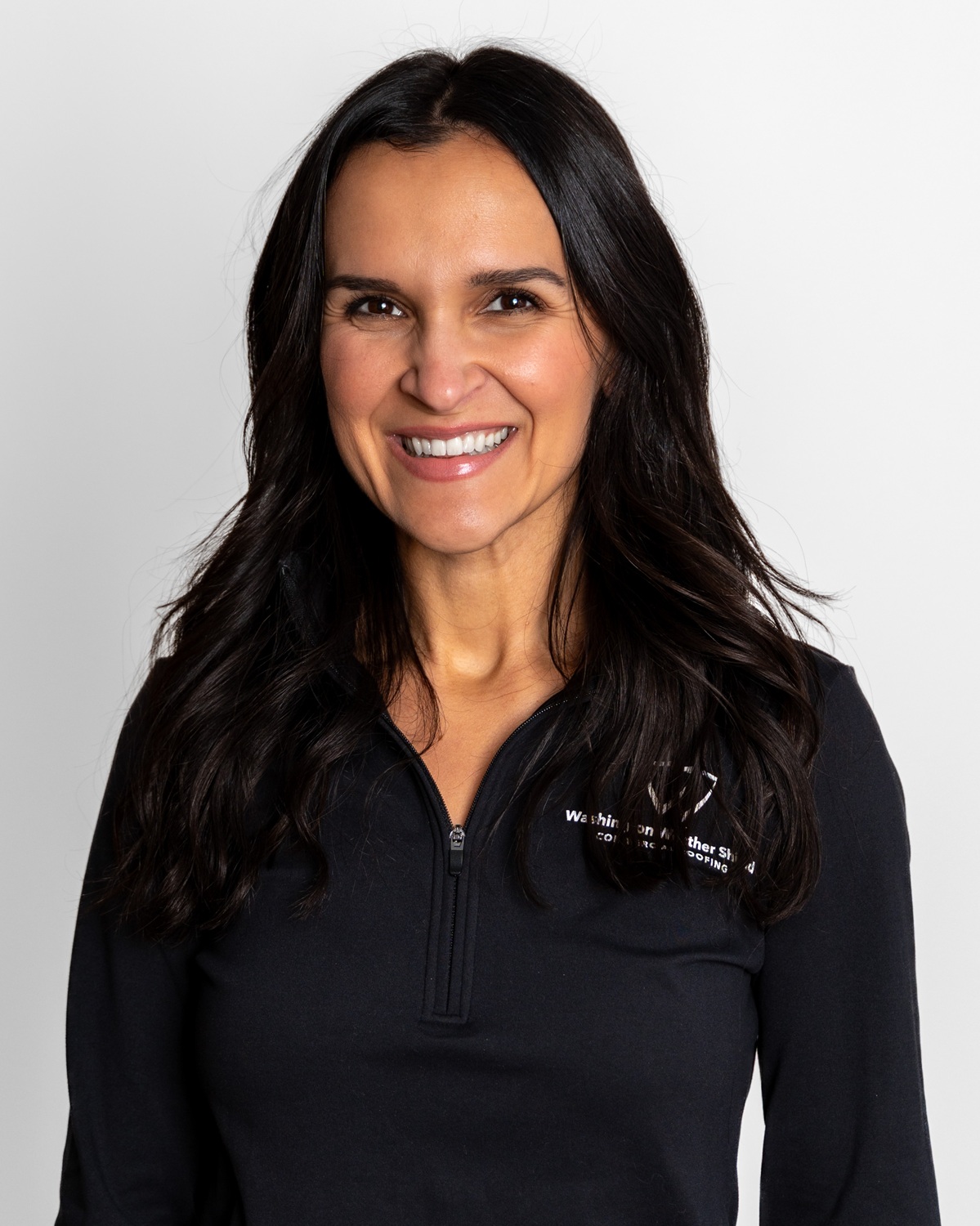
Meet Our Team

The Certified Professionals Behind Every Roof

Washington Weather Shield is a family-owned commercial roofing company based in Tukwila. Ivan and Rita Prokopets run the business and stay involved in projects, from the first site visit to the closeout walk.

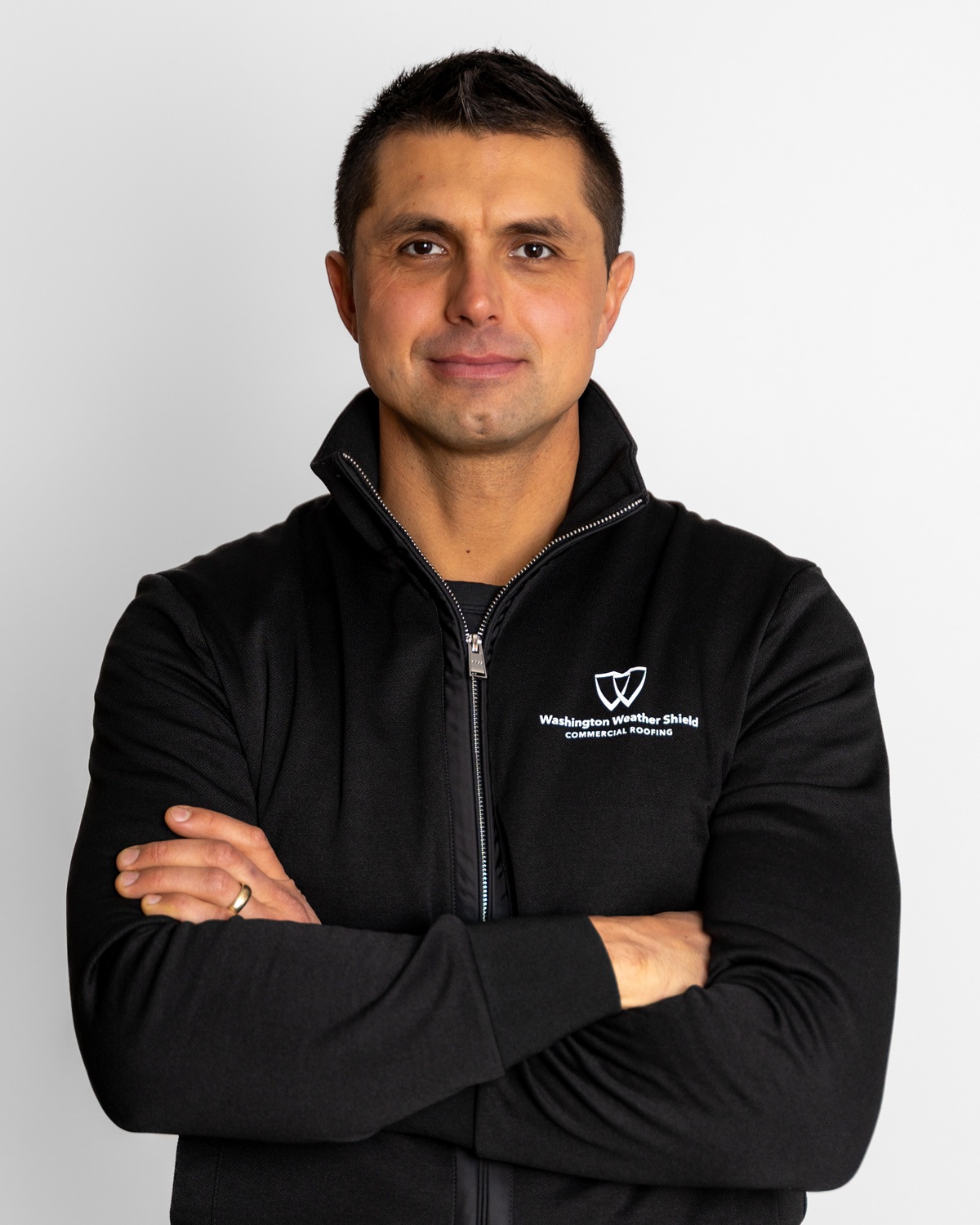
Ivan Prokopets, Owner and CEO of Washington Weather Shield

Ivan Prokopets

Owner & CEO
Rita Prokopets, Chief Operating Officer of Washington Weather Shield

Rita Prokopets

Chief Operating Officer

What Office Owners and Managers Say About Our Work

Customers Love What We Do

A property manager reviewing a commercial roofing company wants to know two things: if the crew showed up when promised and if the roof remained dry. Read what owners and managers across the Greater Seattle Area say about both.

5.0
Google · 47 reviews

FAQs About Office Roofing

General FAQs

Many commercial buildings have flat or low-slope roofs covered with single-ply membranes such as TPO, PVC, or EPDM. Older buildings may have built-up or modified bitumen roofs. Metal or composition roofing may be used on pitched sections, canopies, and mansards.

Protection. A roof has to keep out rain and snow, carry structural loads such as snow and rooftop equipment, insulate the building, resist fire, and hold up to years of weather. On an office roof, drainage belongs on that list too, because water that ponds around rooftop units finds the weakest flashing first.

A built-up roof (BUR) is made from alternating layers of bitumen and reinforcing materials, often finished with gravel or a cap sheet. Some older office buildings still have BUR systems. Washington Weather Shield does not install new BUR roofs; we typically install TPO or PVC membrane systems for replacements, based on the roof’s condition and project requirements.

It depends. The structural engineer chooses the frame, and most high-rise office buildings use structural steel, reinforced concrete, or a mix of both. For the roof, the structure decides the deck. Concrete decks are common on high-rises and accept adhered membrane systems well. Steel decks need insulation and attachment methods rated for wind uplift at height.

Steel. Structural steel carries large loads for its weight, which is why it frames many high-rise offices. Steel roof decks are lighter than concrete, so the roofing system has to resist wind uplift through the right fastening or adhesive pattern. We match the attachment method to the deck and the manufacturer’s wind ratings.

Yes. Most office roofing projects are completed while the building stays open. We schedule loud work around business hours, and access with property management. Short restrictions, such as a closed entrance during a crane lift, are planned and announced in advance.

The schedule depends on roof size, tear-off requirements, insulation work, deck conditions, equipment, access, weather, and building operating hours. A repair may take a day; a large replacement may take several weeks. We provide an anticipated schedule and discuss the phases that may affect tenants.

Inspection frequency depends on the roof system, condition, warranty requirements, and building use. Many owners schedule inspections before and after the wet season and after significant weather. Regular visits can also identify damage caused by rooftop service work.

Pricing & Contracts

It varies. We price every office roof after an inspection, because two roofs of the same size can differ widely in cost. The main drivers are roof area, the system you choose, tear-off, insulation needed to meet energy code, deck condition, and the number of rooftop units and penetrations. Crane access and limits on work hours also affect the price. You get a written price for each option.

Yes. Every proposal comes in writing with the recommended system or repair approach, the scope of work, a project timeline, and the warranty options available. On occupied office buildings, the scope also sets out work hours, air intake shutdowns, and access routes.

At Washington Weather Shield, all commercial roofing contracts must be signed prior to the start of the project. Our standard payment schedule is 50% upfront to order materials and secure your installation dates on our calendar, with the remaining 50% due upon completion of the project. For larger commercial roofing projects, progress payments may be requested during the duration of the work, depending on the size and scope.

Expertise & Credentials

Yes. Washington Weather Shield is a licensed commercial roofing contractor, and our crews receive ongoing training in installation methods, safety, and manufacturer requirements. For office roofing projects, we follow the specifications and installation standards required for the membrane, coating, or metal system being installed.

At Washington Weather Shield, our commercial roofing crews complete ongoing hands-on training each year to stay current on the latest installation methods, safety standards, and manufacturer requirements. This includes training and education through top roofing manufacturers such as GAF (TPO & PVC), Versico (TPO & PVC), Duro-Last (PVC), and GE Enduris (silicone coatings), helping ensure every roof we install meets professional standards and warranty guidelines.

Yes. Washington Weather Shield installs manufacturer-backed commercial roofing systems. All of our roofing systems are built using trusted, manufacturer-approved materials and installation methods to support long-term performance and warranty eligibility.

A qualified commercial roofer should have proven experience with flat and low-slope commercial roofing and the pitched sections that connect to it, proper licensing and insurance, strong safety practices, and the ability to provide detailed scopes, references, and warranty options. At Washington Weather Shield, we meet these standards through our office roofing expertise, manufacturer certifications, and our commitment to professional installation methods and long-term roof performance.

Resources Hub

Guides for Property Managers and Building Owners

Our articles cover the questions we hear most from property managers and owners: how to choose a contractor, what an inspection covers, and what to expect during an install. Browse the latest, or visit the full FAQ page and project gallery.

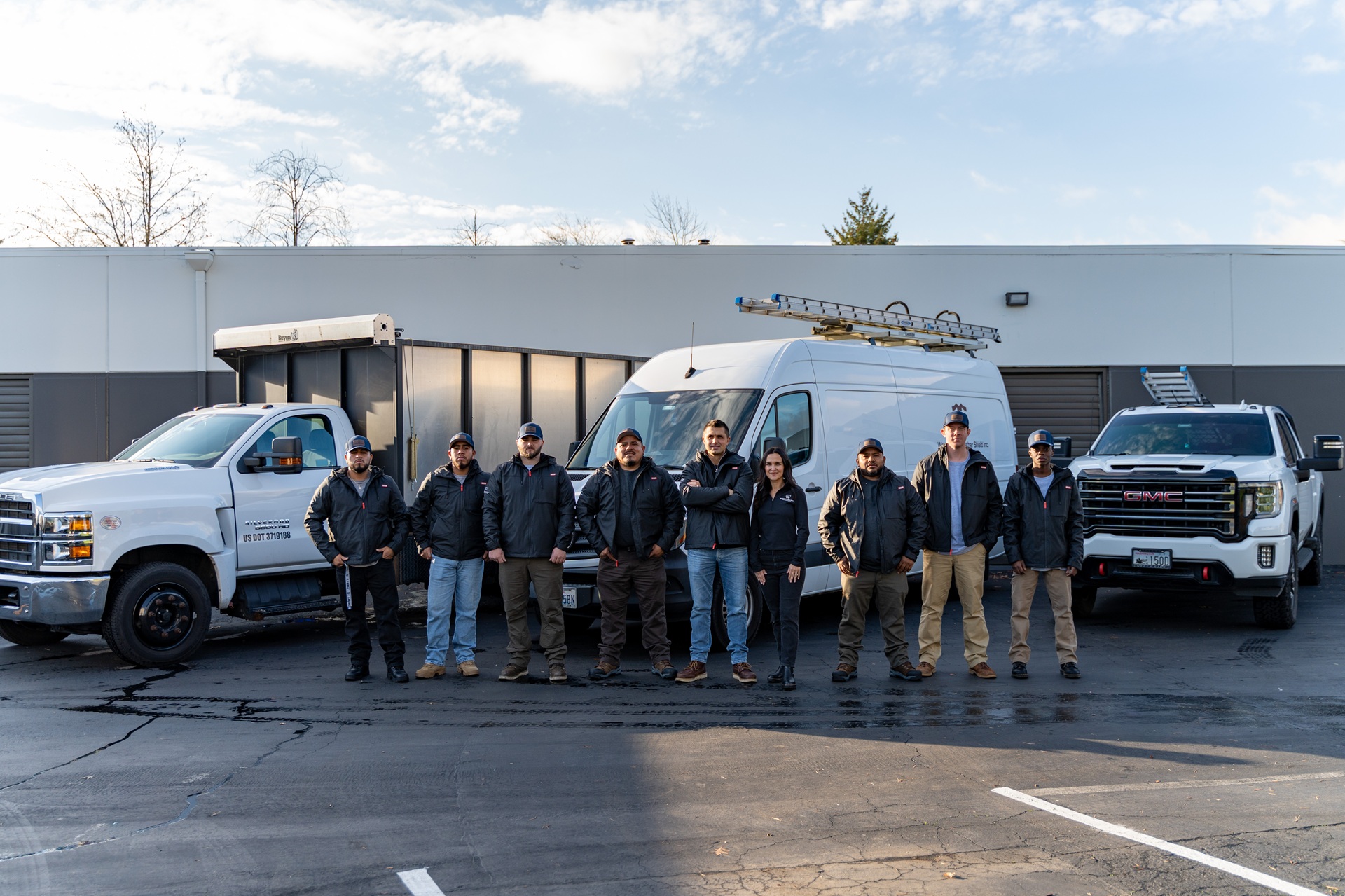
The Washington Weather Shield team standing in front of their service trucks and vans
TPO Roofing Systems for Seattle Commercial Roofs
Roof RenovationNovember 5, 2026 · 14 min read

TPO Roofing Systems for Seattle Commercial Roofs

If you’re comparing roofing proposals for your commercial building, you may keep seeing the same material: TPO. But what would a TPO roofing system mean for your building?  For Seattle building owners, that means…

Read the article →
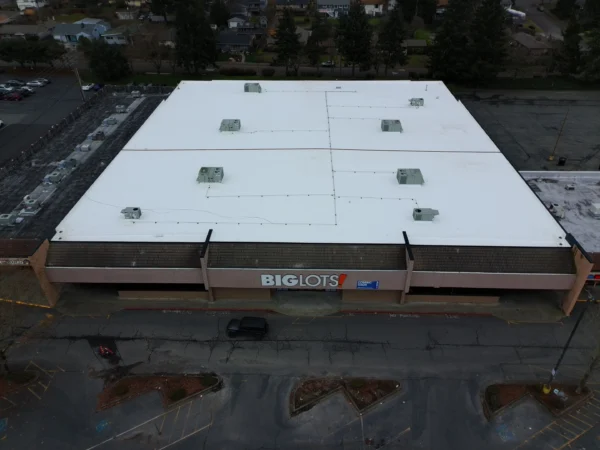
Types of Roof Materials for Seattle Commercial Buildings
October 22, 2026 · 16 min read

Types of Roof Materials for Seattle Commercial Buildings

Most guides covering the types of roof materials focus on residential roofing options like shingles, tile, and slate. Commercial buildings, however, have…

Read the article →
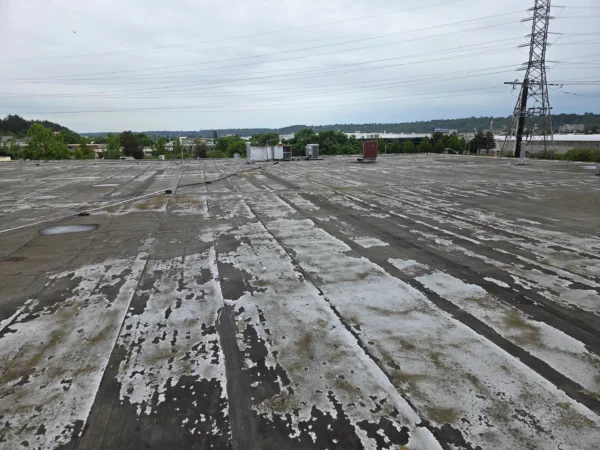
Leaking Roof in a Seattle Commercial Building: Causes and Fixes
Roof CleaningOctober 19, 2026 · 17 min read

Leaking Roof in a Seattle Commercial Building: Causes and Fixes

A tenant calls about a stain spreading across a ceiling tile: the first visible sign of a leaking roof. The natural assumption…

Read the article →
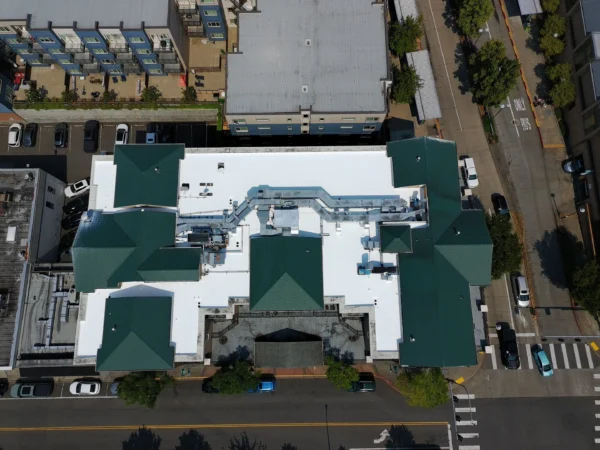
Commercial Roof Restoration: Is Your Roof a Good Candidate?
Roof RenovationOctober 9, 2026 · 10 min read

Commercial Roof Restoration: Is Your Roof a Good Candidate?

A replacement quote lands on your desk, and the number alone makes you want a second opinion. That’s often when commercial roof…

Read the article →
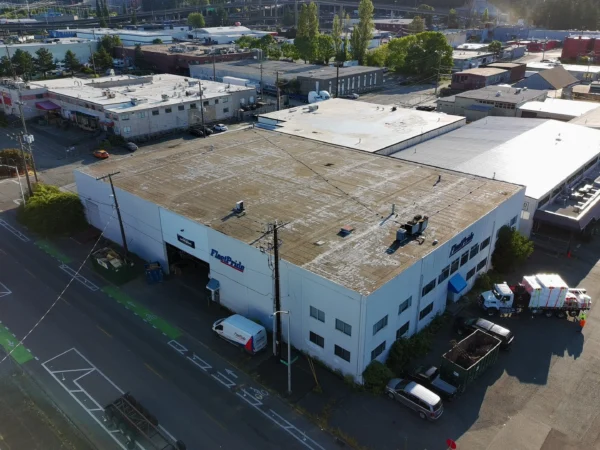
Roof Damage on Seattle Commercial Buildings: Warning Signs and Next Steps
RoofingSeptember 7, 2026 · 16 min read

Roof Damage on Seattle Commercial Buildings: Warning Signs and Next Steps

Most leak calls start the same way. A tenant reports a ceiling stain, someone blames last week’s windstorm, and the roof gets…

Read the article →
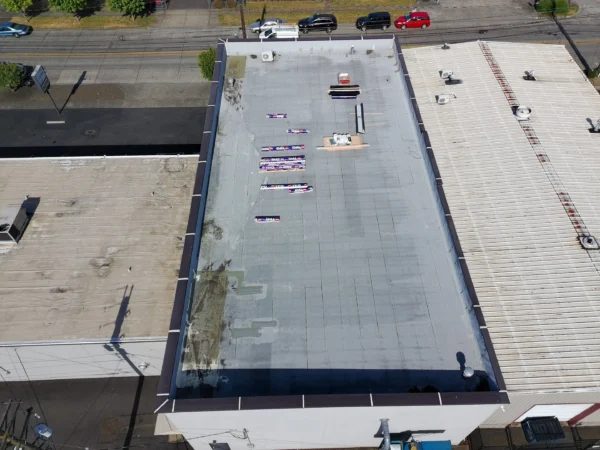
Commercial Roof Inspection for Seattle Properties: What It Covers
RoofingAugust 31, 2026 · 17 min read

Commercial Roof Inspection for Seattle Properties: What It Covers

Every commercial roof inspection typically leads to one of five recommendations: routine maintenance, targeted repairs, a roof coating, an overlay, or a…

Read the article →
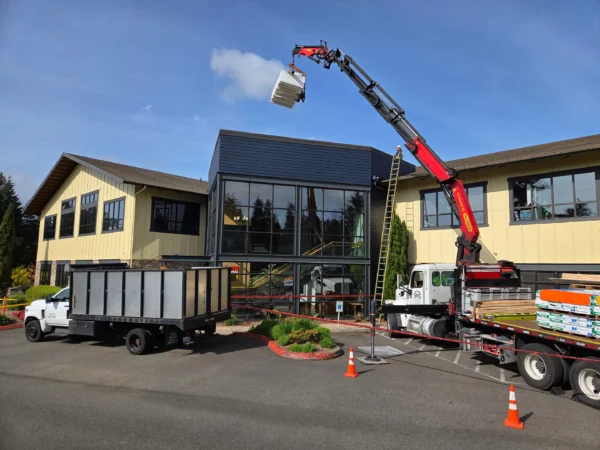
What to Expect During a New Roof Installation for a Commercial Building in the Greater Seattle Area
RoofingAugust 17, 2026 · 13 min read

What to Expect During a New Roof Installation for a Commercial Building in the Greater Seattle Area

Your building cannot shut down for three weeks while the roof comes off. Tenants still need the elevators, the loading dock, and…

Read the article →
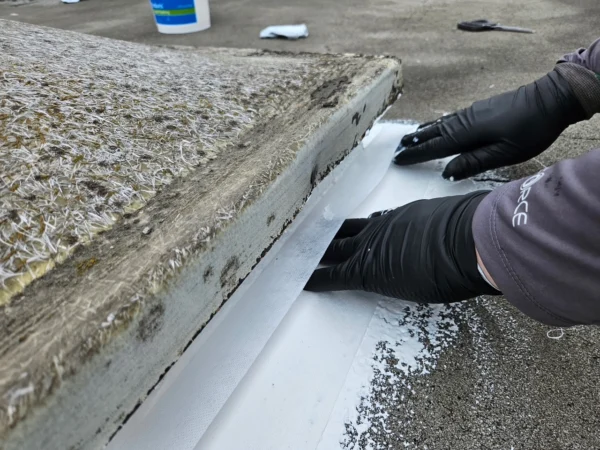
Commercial Roof Maintenance Checklist for Seattle Buildings
RoofingAugust 10, 2026 · 17 min read

Commercial Roof Maintenance Checklist for Seattle Buildings

A sealant bead cracks at an HVAC curb sometime in August. Nobody sees it. Leaves fill the low corner beside a drain…

Read the article →
How to Choose a Good Commercial Roofing Contractor in Seattle
RoofingAugust 7, 2026 · 15 min read

How to Choose a Good Commercial Roofing Contractor in Seattle

Choosing the wrong commercial roofing contractor doesn't just cost you a redo. It costs you twice: once for the bad work, and…

Read the article →

Work With a Seattle Roofing Company for Offices

Start With an Assessment of Your Building

Tell us whether your property is a single-tenant office, a multi-tenant building, an office park, or a tower. We will inspect the roof, document the conditions, and send a written scope with a schedule planned around your tenants' hours. Washington Weather Shield provides commercial office roofing across Greater Seattle for property owners, managers, and general contractors.

BOOKING FORM

Request Roofing Inspection