Haven of Rest
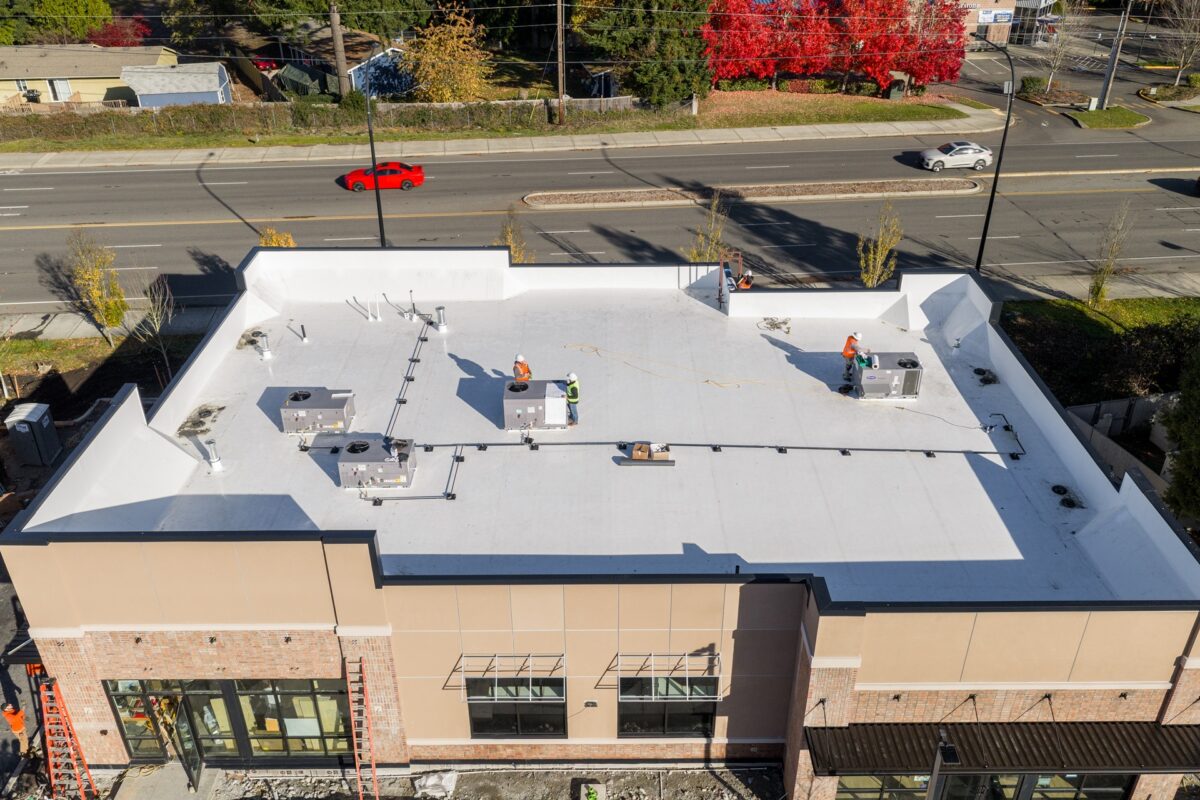
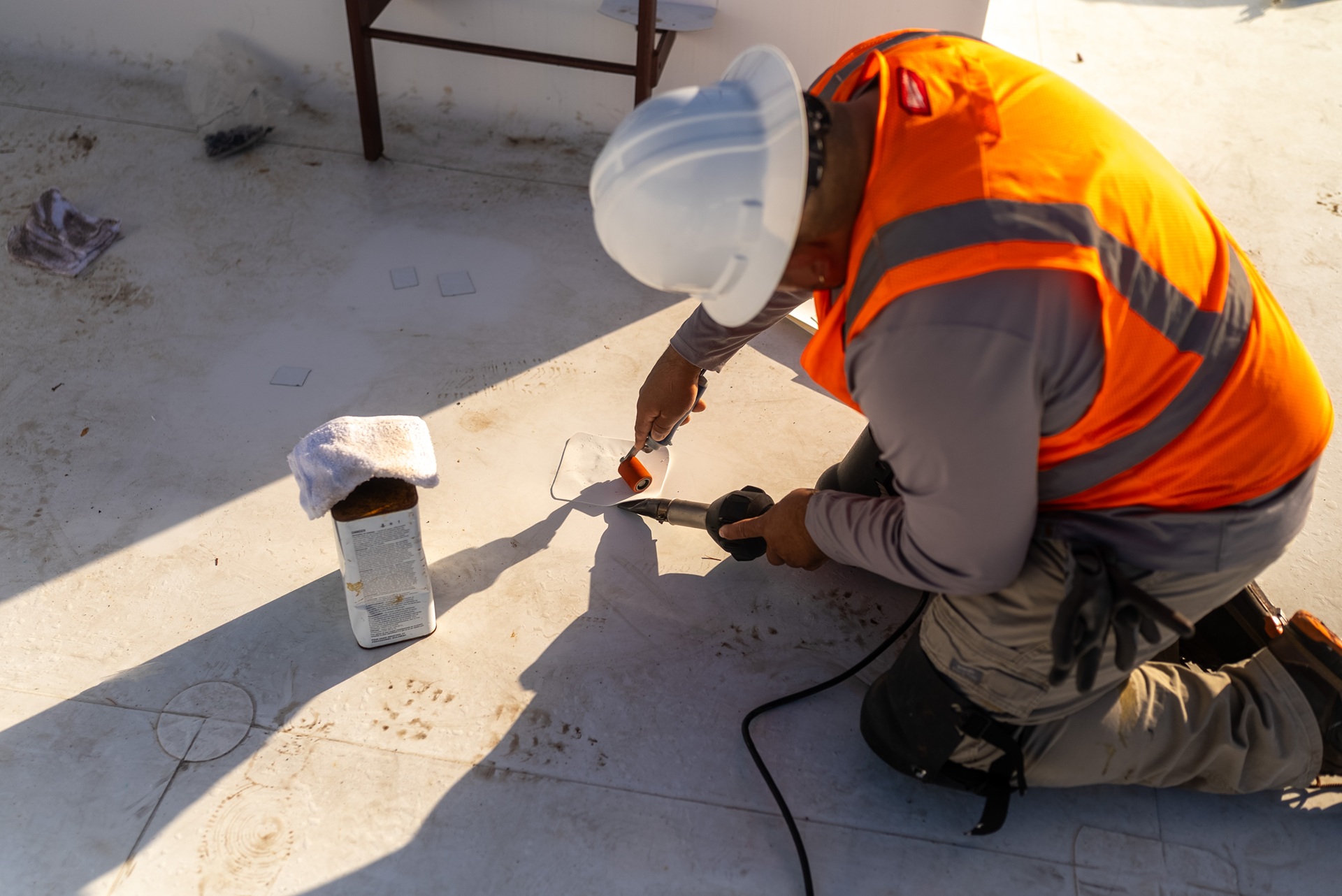
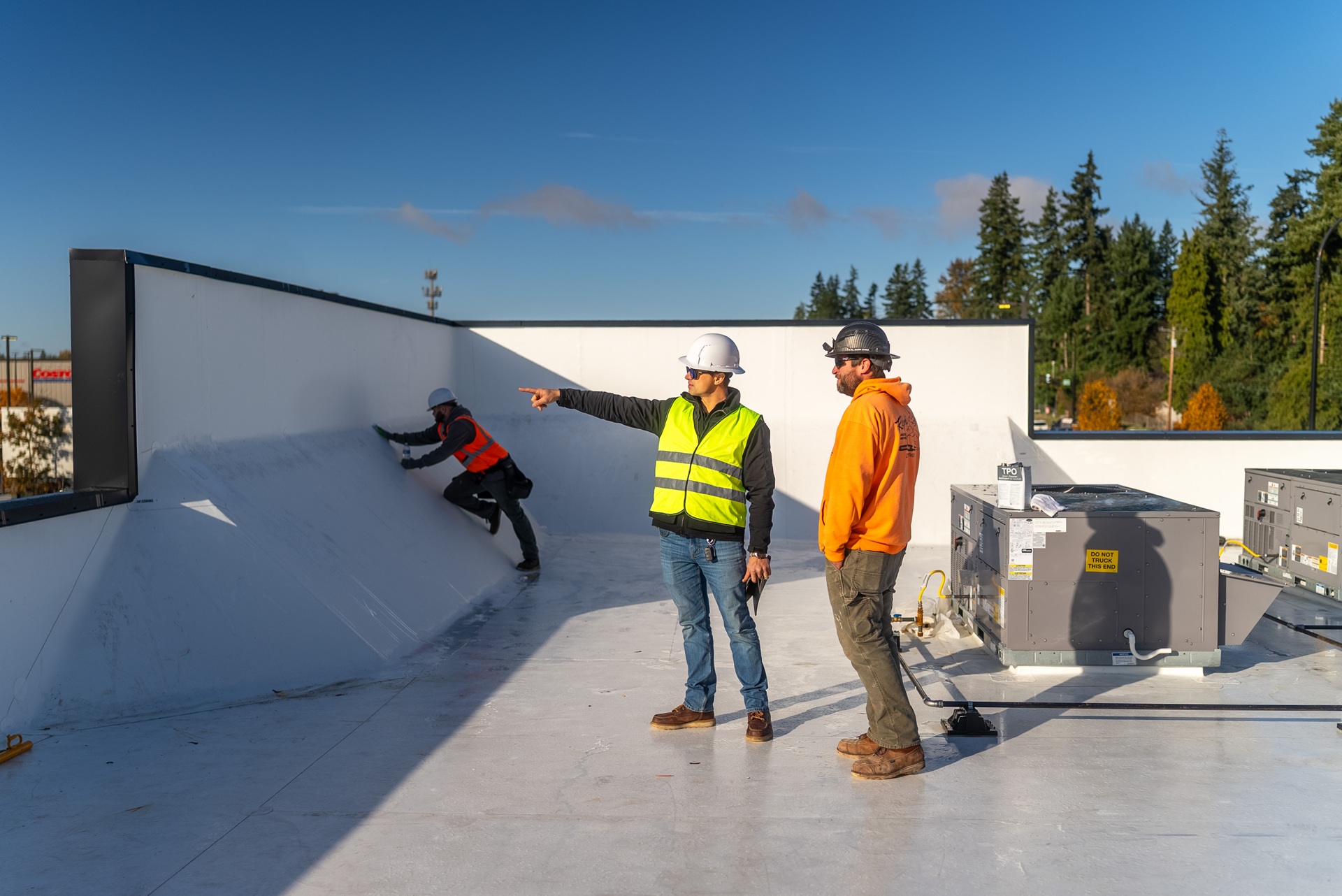
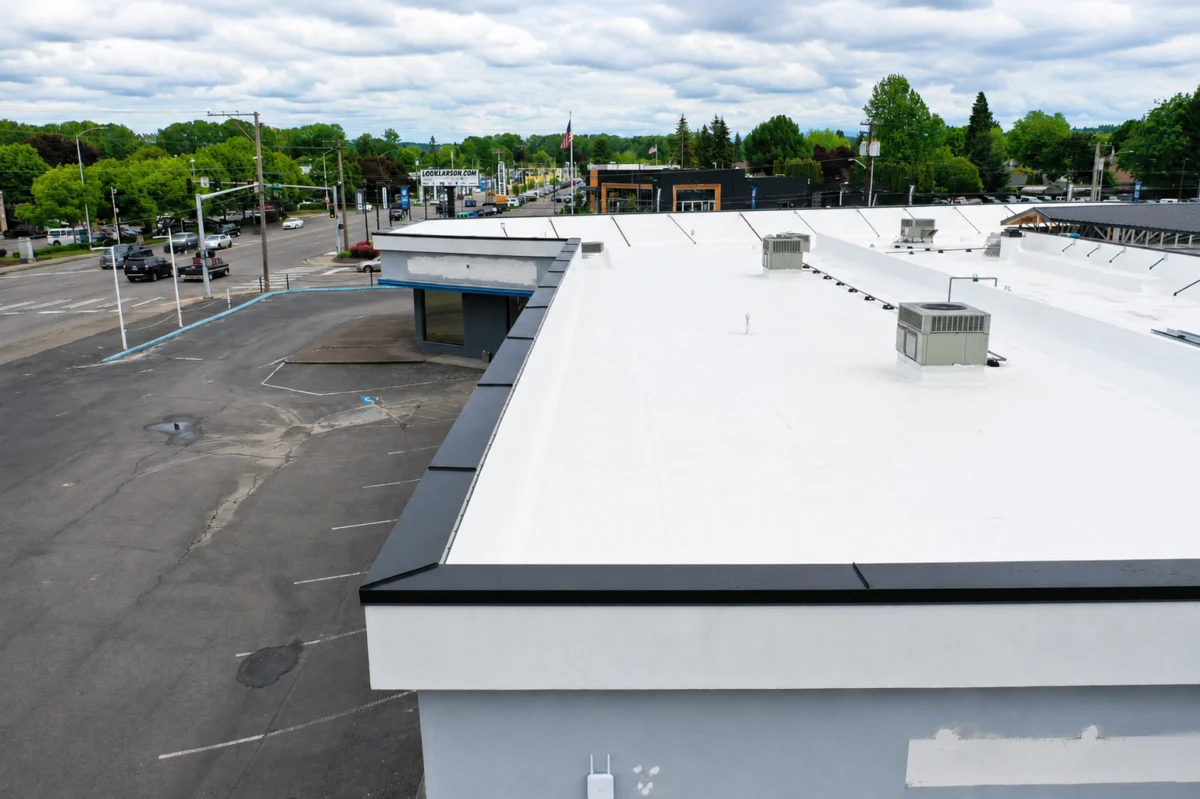
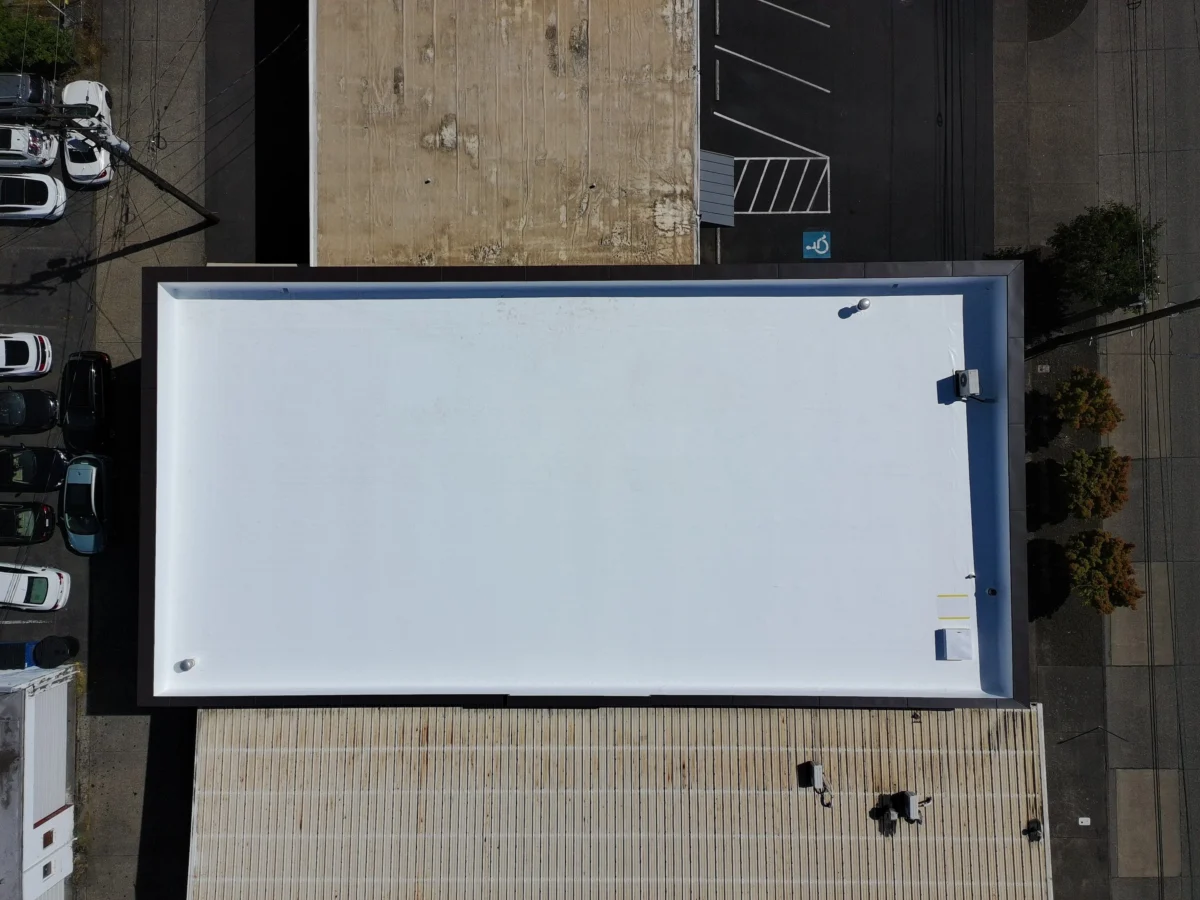
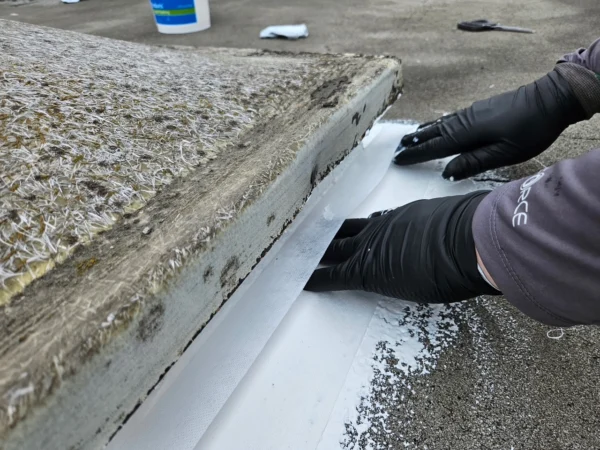
Roof retrofit upgrading aging standing-seam metal to a TPO system, no full tear-off needed.
View project →FALL SPECIAL Up to $5,000 off a new roof installation. Applies to new roof installs only. Get my free estimate

About Us
Seattle commercial roofing services with transparent pricing and fast project delivery. We handle permits, cleanup, and tenant notices. Call 206-504-1500.
Where to Find Us

Commercial Roofing Services
Washington Weather Shield provides commercial roofing across the Greater Seattle Area for office, retail, industrial, multi-family, and institutional buildings. Pick your property type below to see how we handle its roof.
Commercial roofing services for retail centers and other occupied properties, including mixed-use buildings, office buildings, medical facilities, and dealerships.
Large-footprint low-slope roofs for warehouses, distribution centers, manufacturing plants, and cold storage.
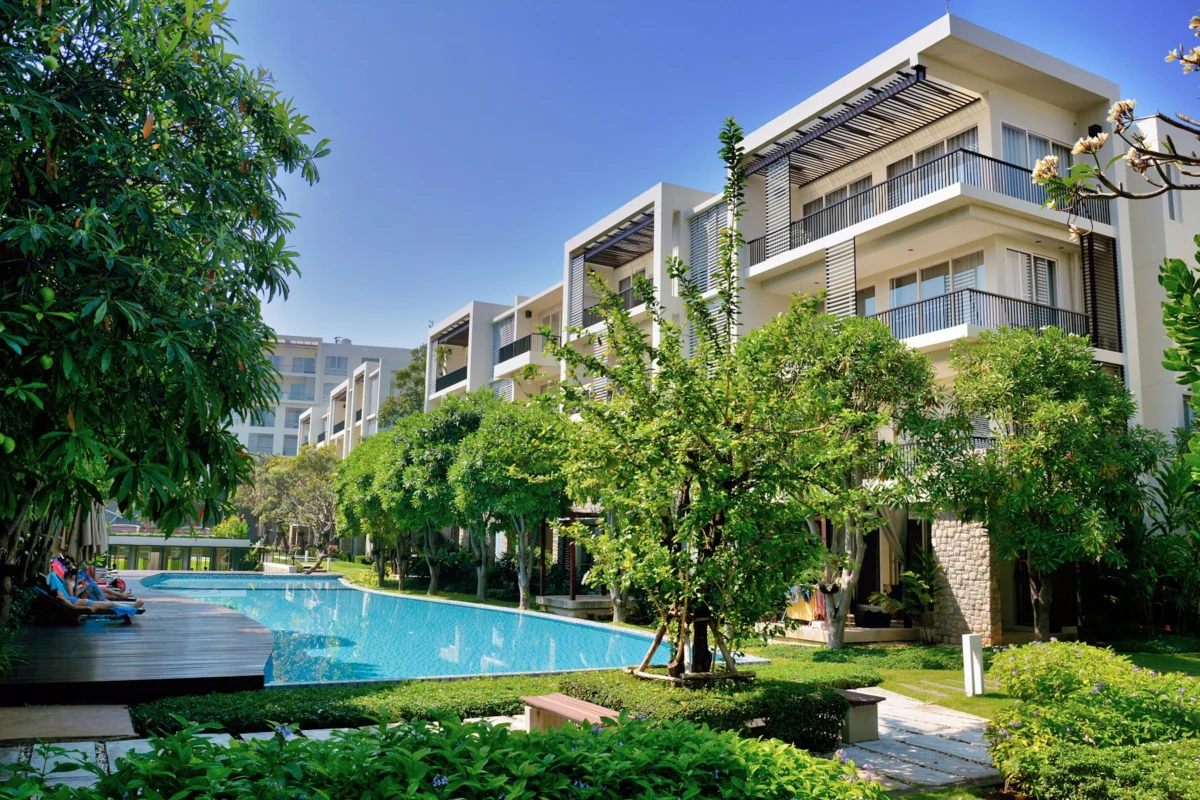
Apartments, condos, townhomes, HOA communities, and senior living. Quiet hours and written tenant notices come standard.
Hospitals, clinics, schools, universities, churches, and municipal buildings that stay open while the roof gets replaced.
Every commercial property comes with its own roofing considerations. Access, occupancy, operating hours, rooftop equipment, and site logistics can all affect how a project needs to be planned and coordinated. Our experience spans a wide range of commercial and multi-family properties, each with its own priorities and challenges.
Office roofs carry HVAC units, exhaust curbs, and cable penetrations, and each one is a potential leak point. We phase work around business hours where noise matters, coordinate crane lifts with your parking plan, and keep entrances and walkways clear. For medical suites, we carefully coordinate scheduling around patient hours and daily operations to minimize disruption.
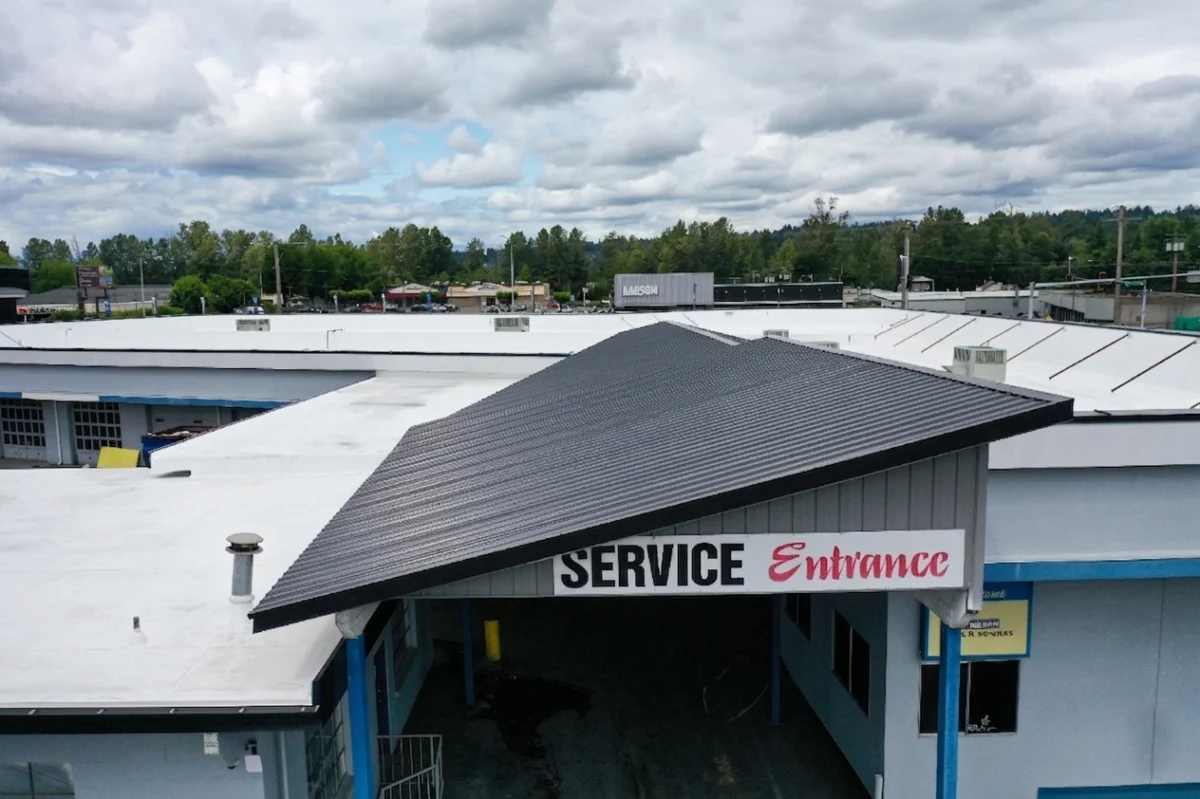
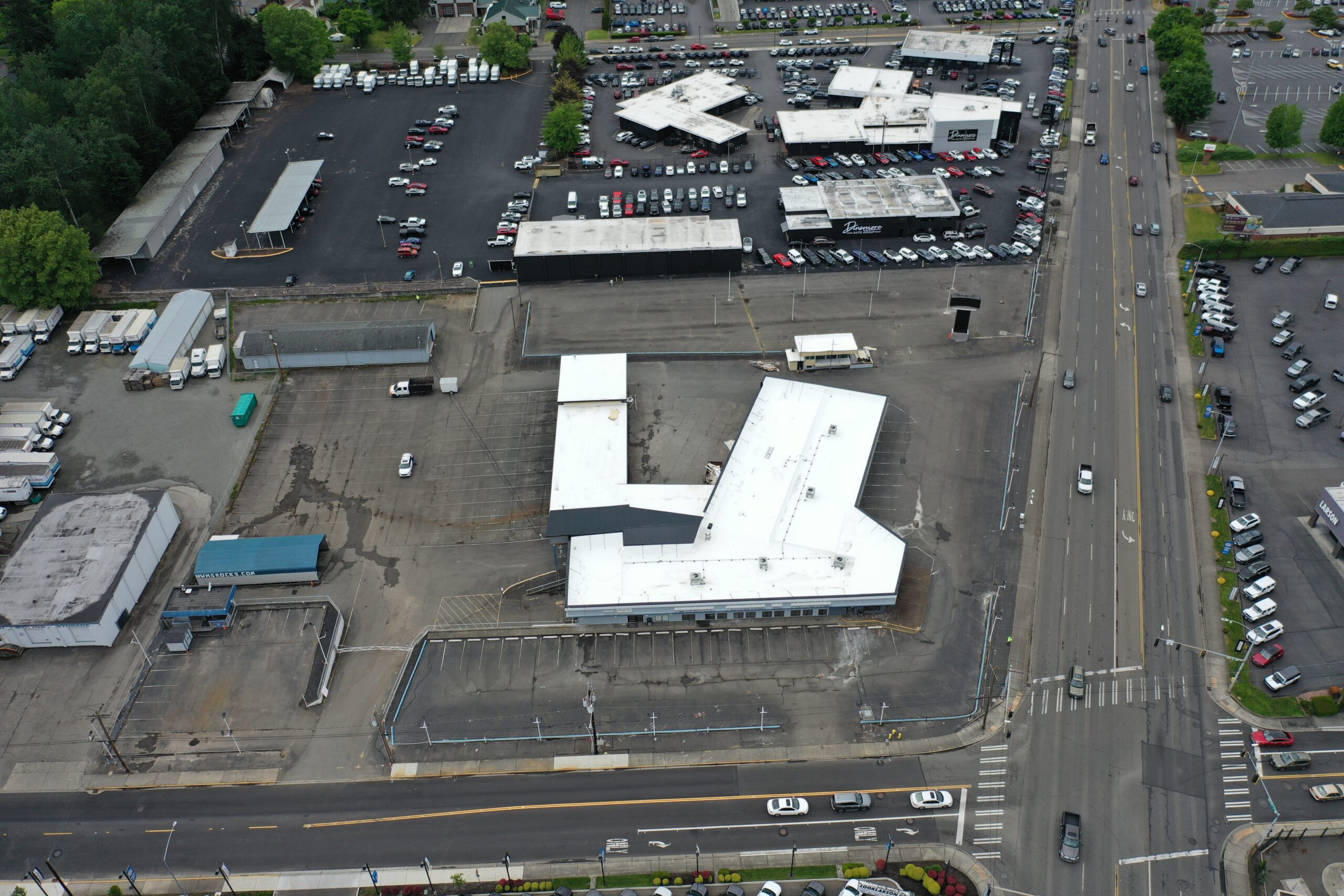
Roofing work on retail and mixed-use properties requires careful coordination to keep businesses accessible and minimize disruption to tenants and customers. We plan material staging, deliveries, equipment access, and work areas around the day-to-day operations of the property. At Legend Auto Sales in Puyallup, we completed a full roof tear-off and replacement, including asbestos abatement, while the dealership remained open throughout the project.
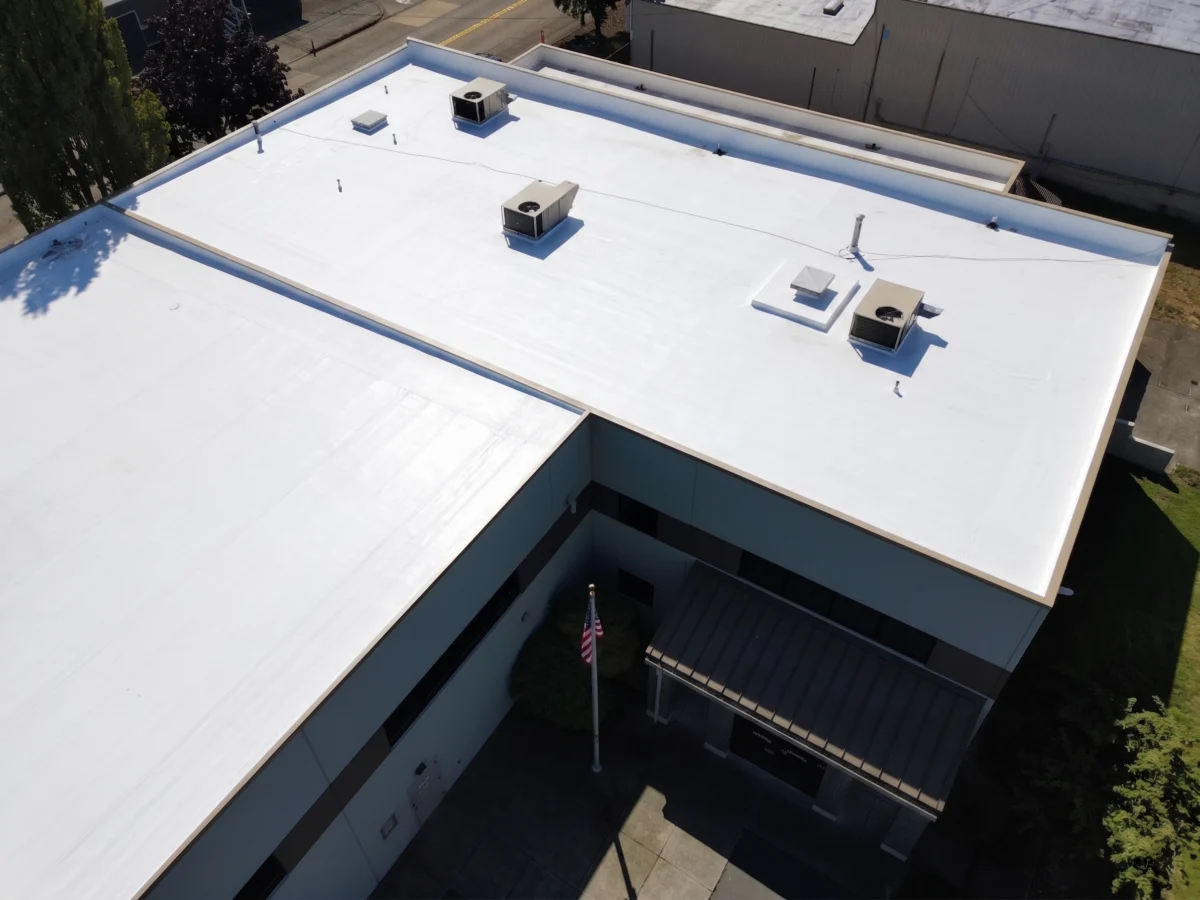
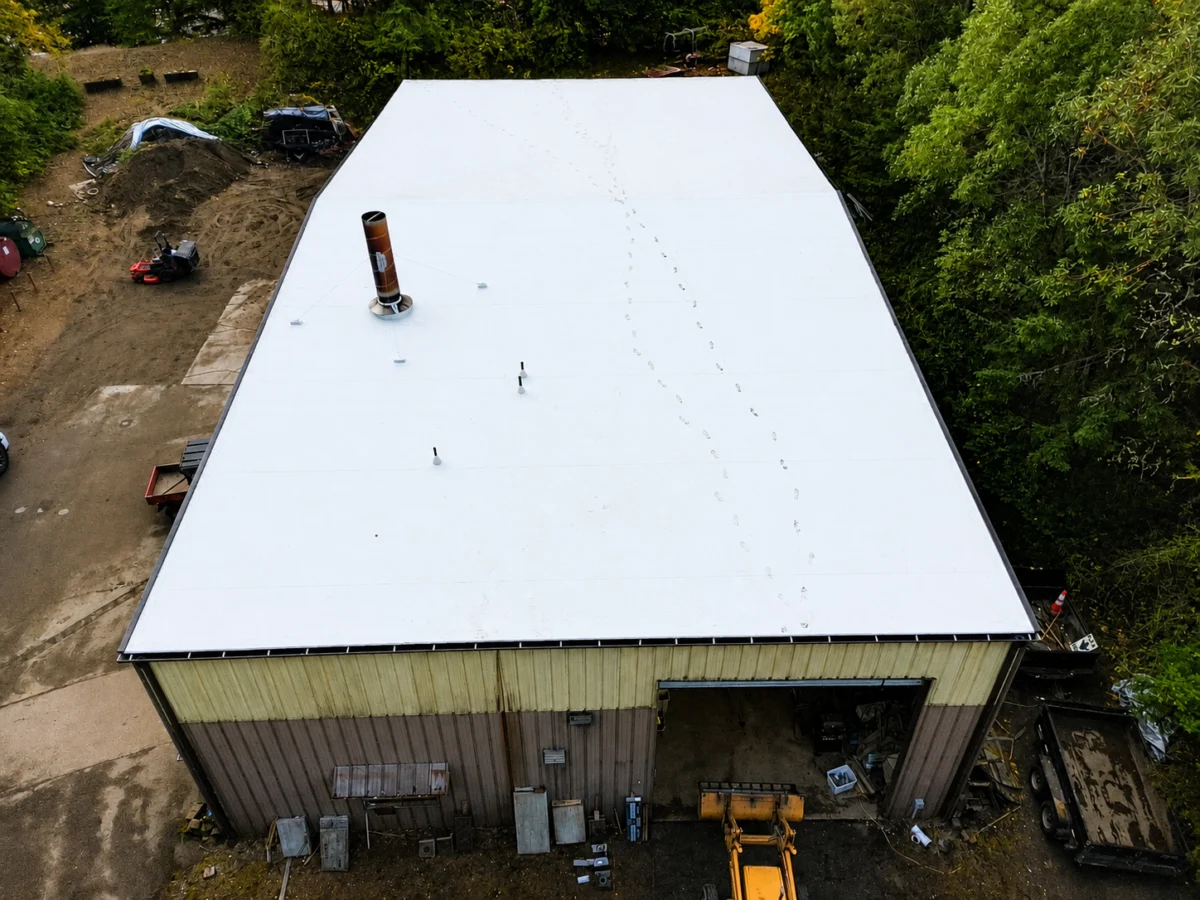
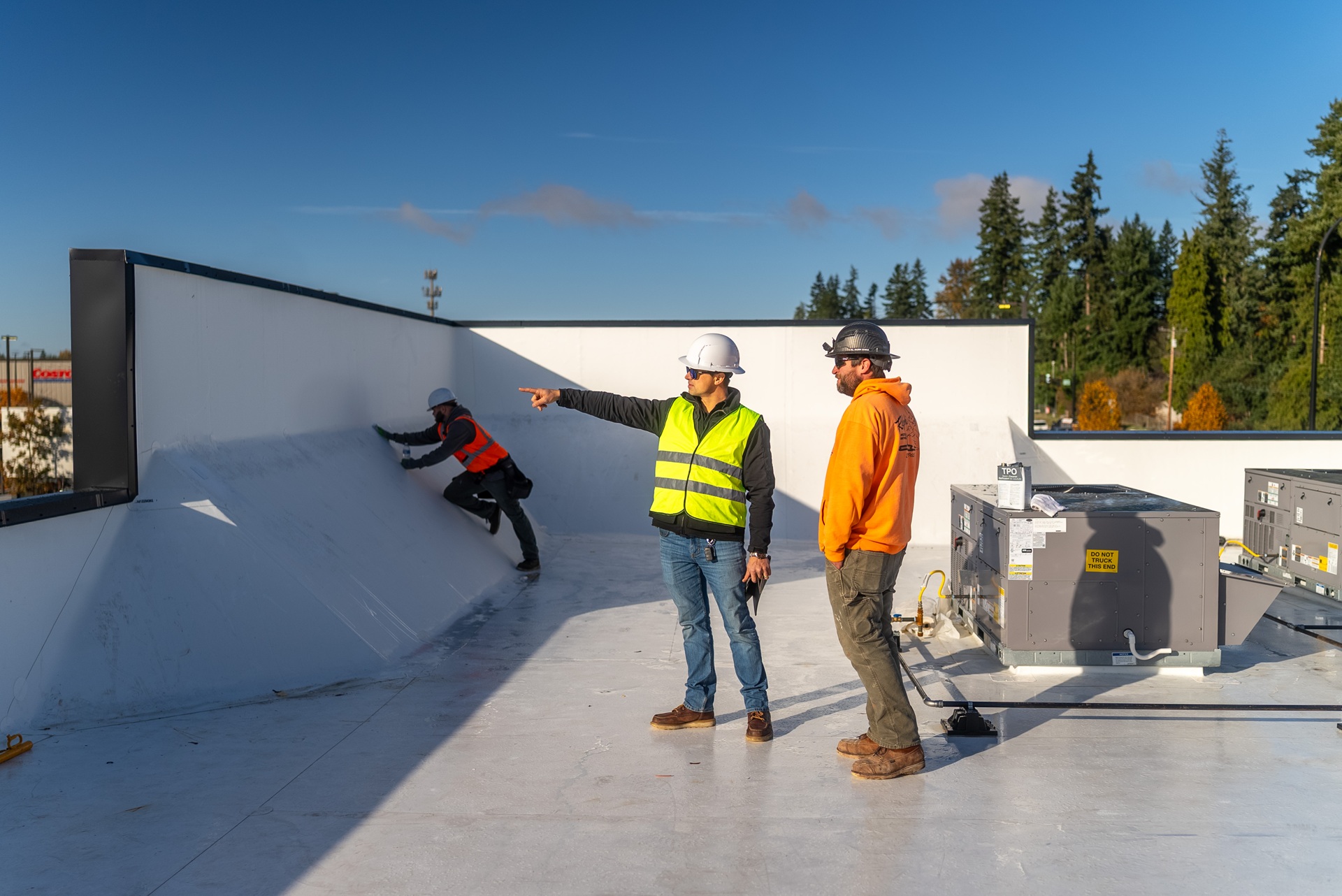
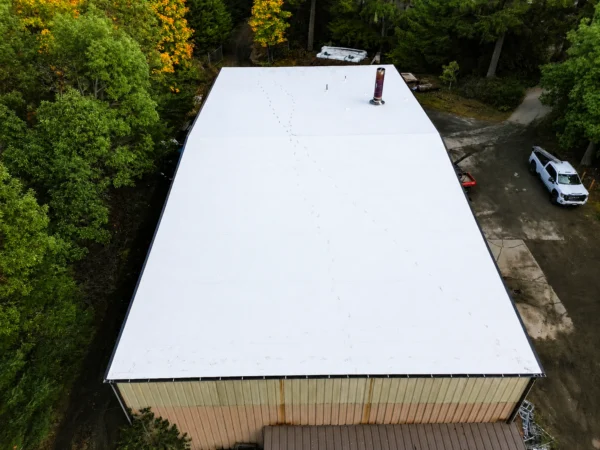
Industrial roofs are big, flat, and full of skylights and equipment. On these buildings, the priorities are drainage design, seam quality across long membrane runs, and a schedule that does not interrupt receiving docks or production lines. Our Demgy Pacific project in Tacoma was a TPO overlay on an operating precision manufacturing plant.
Multi-family roofing puts crews above people’s homes. We issue written tenant notices before the first day, hold quiet hours as agreed with management, and finish cleanup before crews leave each afternoon. Many multi-family buildings combine a low-slope membrane roof with pitched sections, so one project may involve TPO on the main roof and composition or metal on the sloped sections.
Roofing work at hospitals and healthcare facilities requires careful planning around patients, staff, sensitive areas, and ongoing operations. We coordinate closely with facilities teams on scheduling, access, rooftop equipment, and penetrations before work begins and throughout the project to minimize disruption to the facility.
School and campus roofs are usually replaced on a calendar: summer break, winter break, or a phased schedule that works around classes. We build the project schedule around school operations, follow district and campus contractor requirements, and coordinate work areas, deliveries, and access to minimize disruption for students and staff.
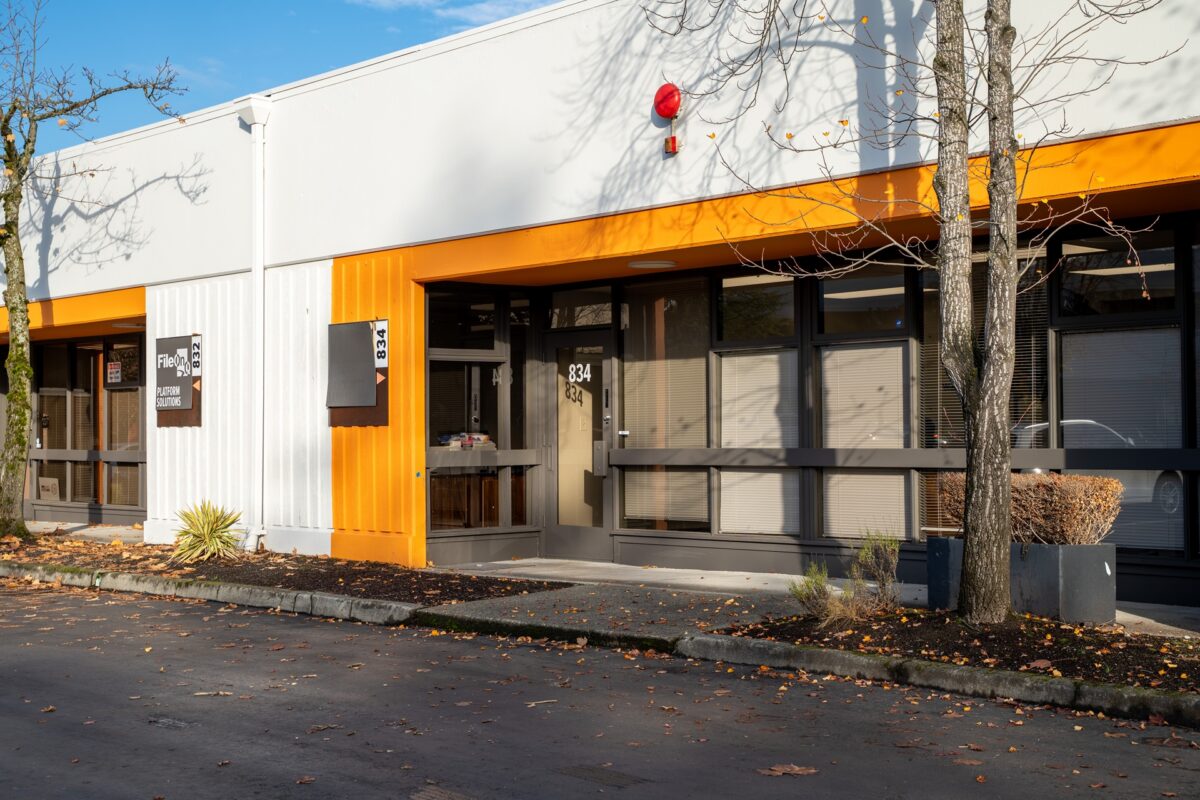
Worship and community buildings often have a combination of steep-slope and low-slope roof areas, each requiring a different approach. We coordinate work around services, events, and regular building use while addressing the needs of each roof section. For example, at Haven of Rest in Gig Harbor, we installed a new TPO roofing system over an aging standing-seam metal roof, avoiding the need for a full tear-off.
Our commercial roofing contractor services cover the full life of the roof, from new construction to the final replacement decades later. Every service is delivered by certified crews across the Greater Seattle Area with the same scheduling, cleanup, and documentation standards.
Full replacement for roofs at the end of their service life.
Targeted repairs to address leaks, damage, and vulnerable roof areas.
Roofing for new buildings, additions, and major renovations.
A new engineered roof installed over the existing structure.
Scheduled care that catches issues early and extends roof life.
Fast response for active leaks and storm damage.
Routine roof cleaning to help maintain proper drainage and protect roofing systems.
Whether we’re working on a hospital wing or a retail center, our approach is consistent: inspect the roof, provide a clear written scope, and coordinate closely throughout the project. Scheduling, communication, and documentation are built into every phase, so you know what to expect, when work is happening, and what it will cost.
Choose a time that works for you. You do not need to be on site. We complete a roof evaluation, photograph the conditions, and collect the details needed to scope the job accurately.

You receive a written proposal with scope of work, system recommendation, pricing, and warranty options. Review it with your ownership group or board before anything moves forward.

Our crew installs the roof, cleans the site each day, and sends consistent updates. Before-and-after photos document exactly what was done, which is useful for owner reports and warranty files.
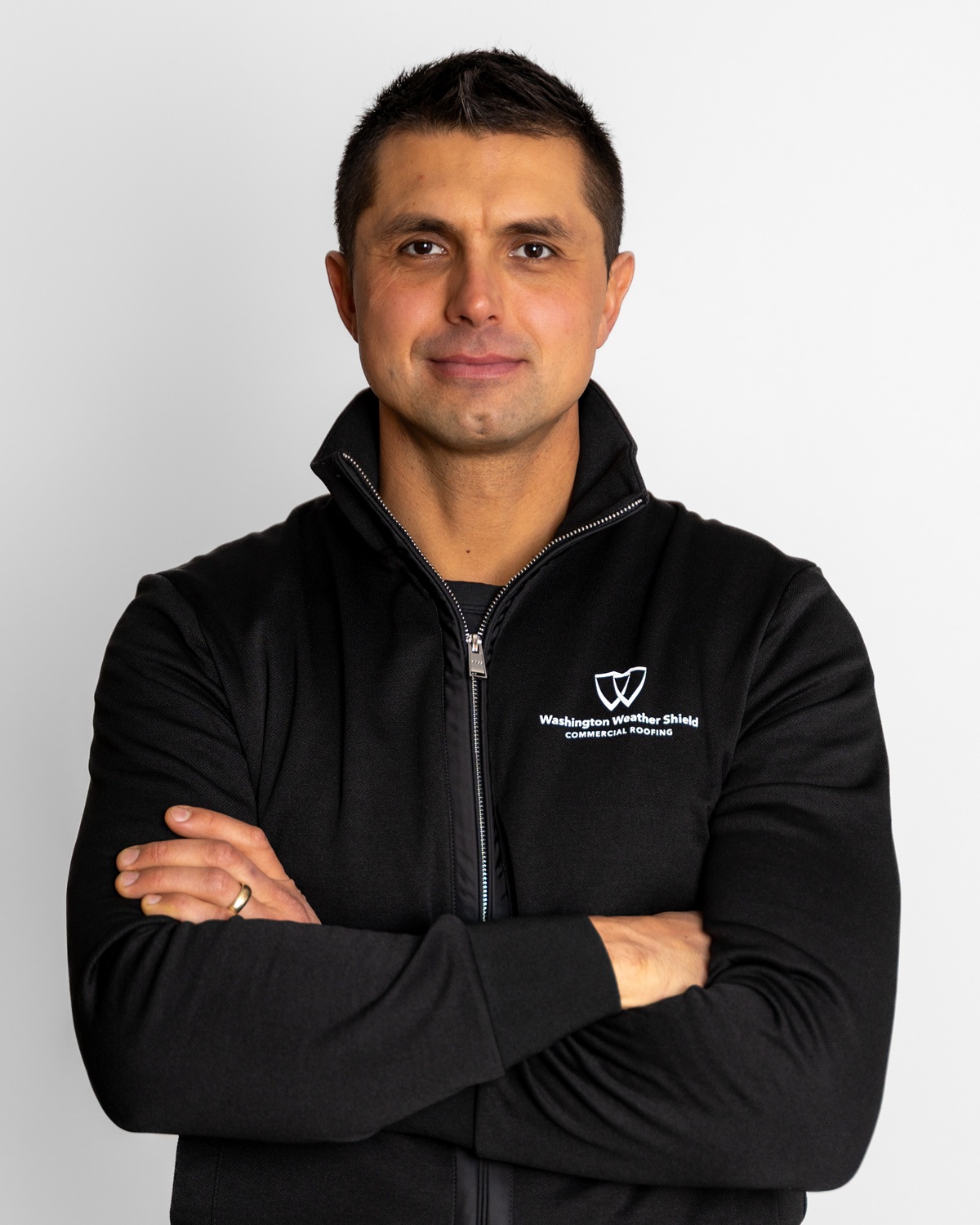
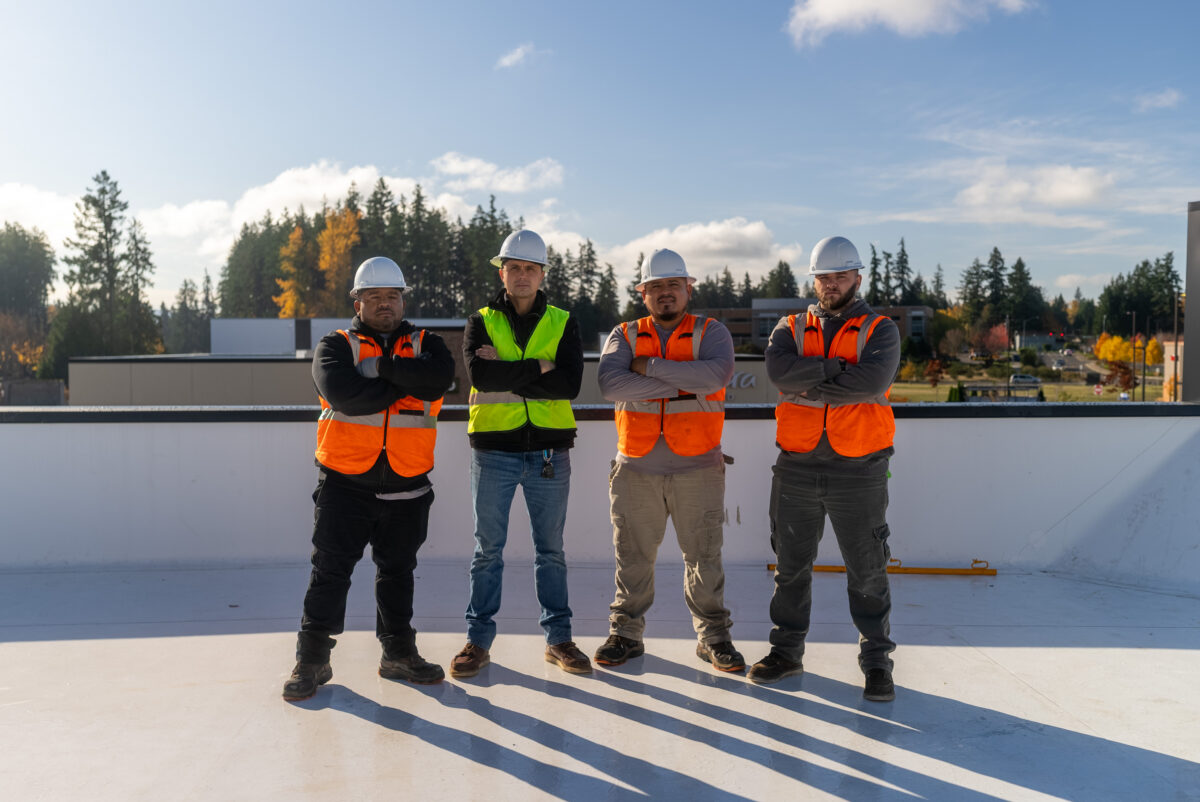
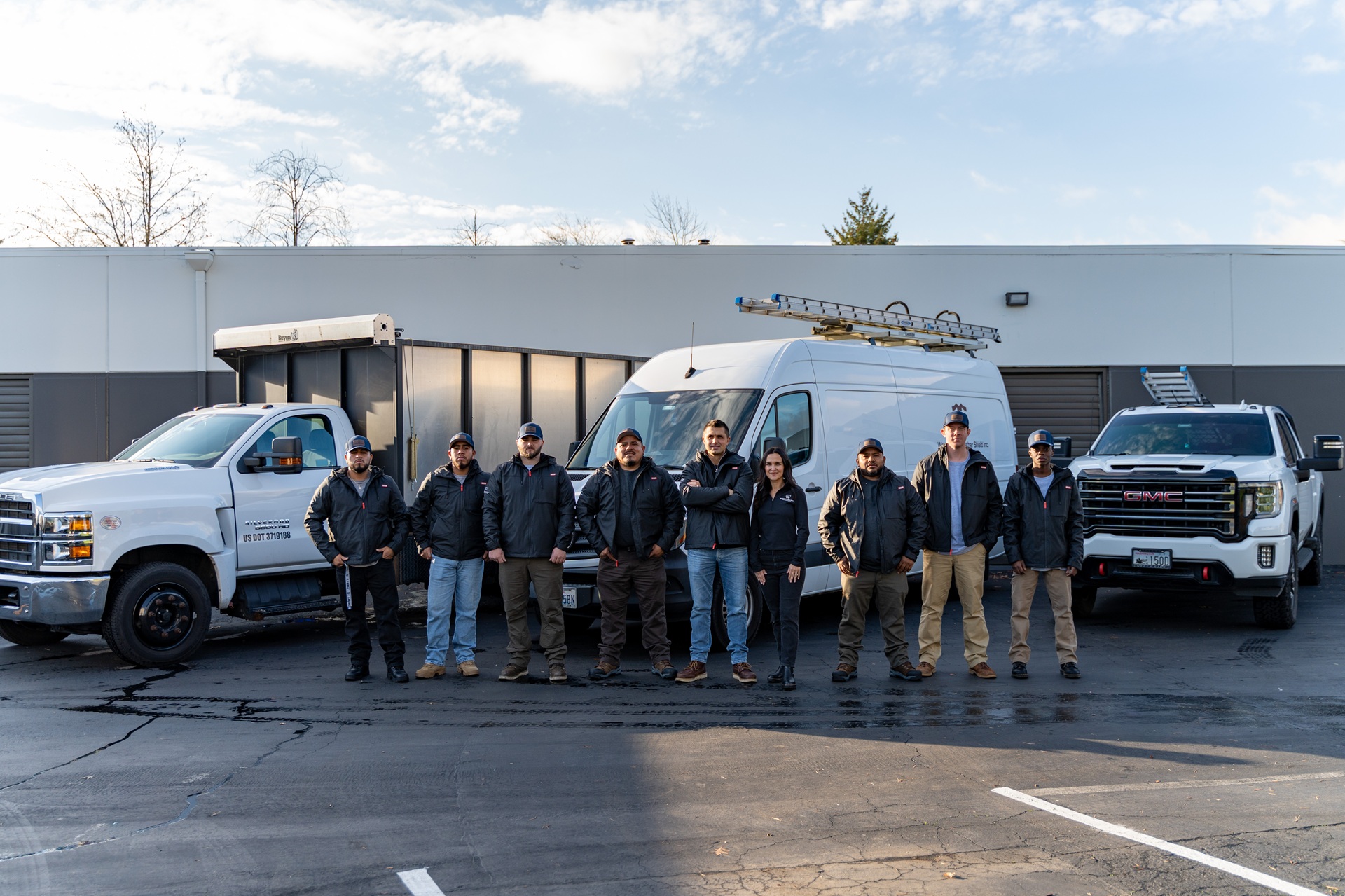
Washington Weather Shield is a family-owned commercial roofing company based in Tukwila. Ivan and Rita Prokopets run the business and stay involved in projects, from the first site visit to the closeout walk.
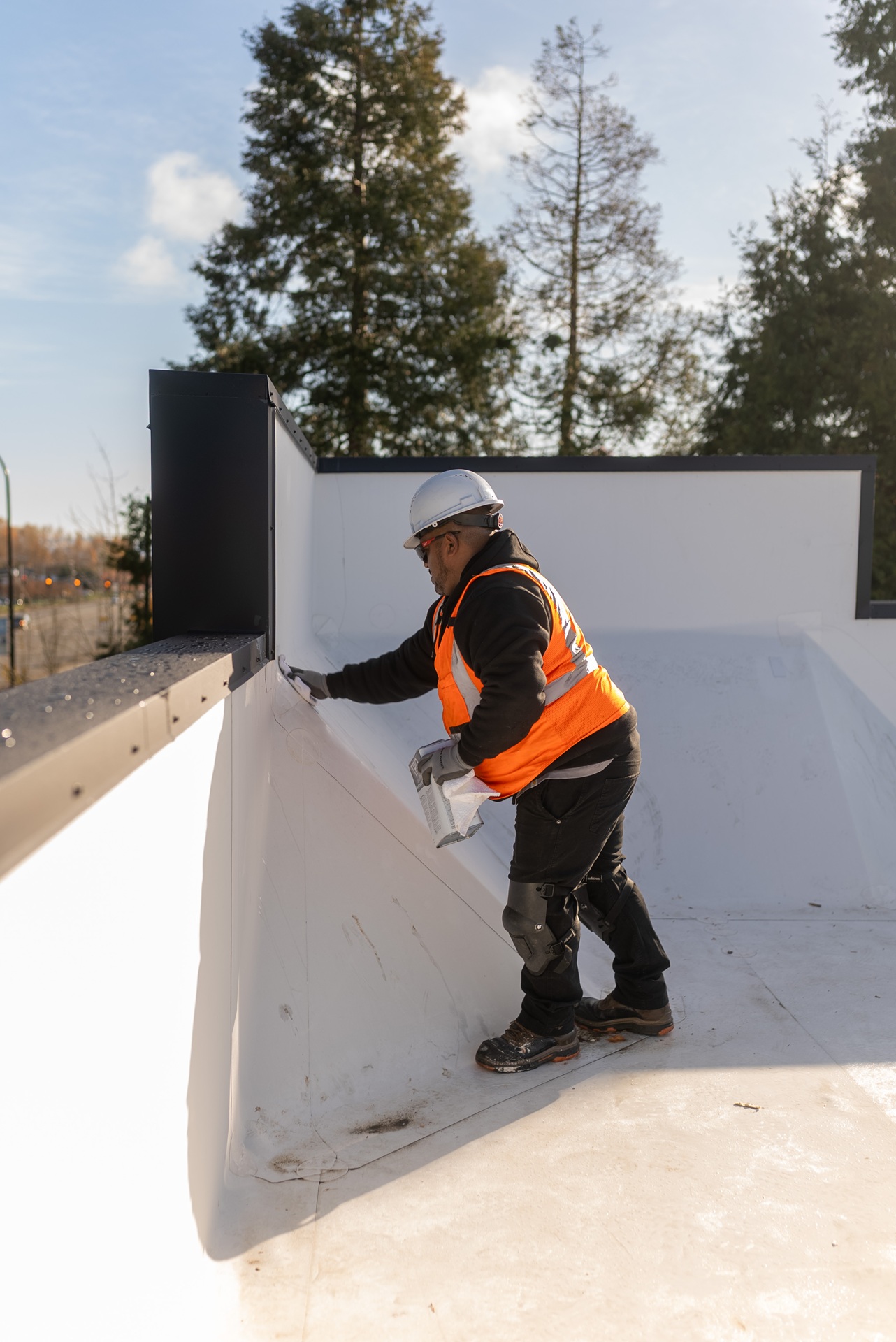
Commercial roofs in the Greater Seattle area are exposed to months of wet weather each year. Proper drainage, securely welded seams, and carefully detailed flashings all play a role in keeping water out and helping the roof perform reliably over time. On an occupied property, a well-planned roofing project also means minimizing disruption to the people and businesses below.
The priorities can look different depending on the property. Retail centers need to remain accessible to tenants and customers. Warehouses may have inventory and equipment to protect. Multi-family properties require coordination around residents and shared spaces. Experience with different property types helps us anticipate these considerations before work begins and plan the project accordingly.
Washington Weather Shield provides commercial roofing services throughout the Greater Seattle area for a wide range of commercial and multi-family properties. From the initial inspection through project completion, we focus on clear communication, careful coordination, and quality workmanship built for the Pacific Northwest.
Every property type on this page has one thing in common: the building stays in use while we work. Our commercial roofing company is set up for that. The same five commitments apply whether we are re-roofing a 45,000-square-foot warehouse or a 12-unit apartment building.
If a roof we installed leaks, we are on site within 24 hours. No charge to you.

Quiet hours where you need them, daily cleanup, and written tenant notices before we start. Most occupants will not know we are there.

Milestones, change orders, and progress photos in one place. We start when promised and finish as bid.
GAF GoldElite, Versico, Duro-Last, and GE Enduris certified crews installing systems with warranties of 20 years or more.

Free roof audits, three-year capital planning, and priority scheduling across every building you manage.

Washington Weather Shield uses certified products on their projects and is backed by proven industry partners.
A look at recent commercial roofs we’ve installed, replaced, and protected across Western Washington.

Roof retrofit upgrading aging standing-seam metal to a TPO system, no full tear-off needed.
View project →
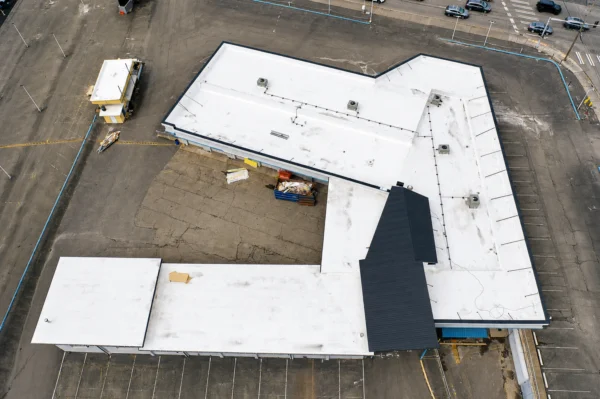
Full roof tear-off with asbestos abatement and complete replacement for an auto dealership.
View project →
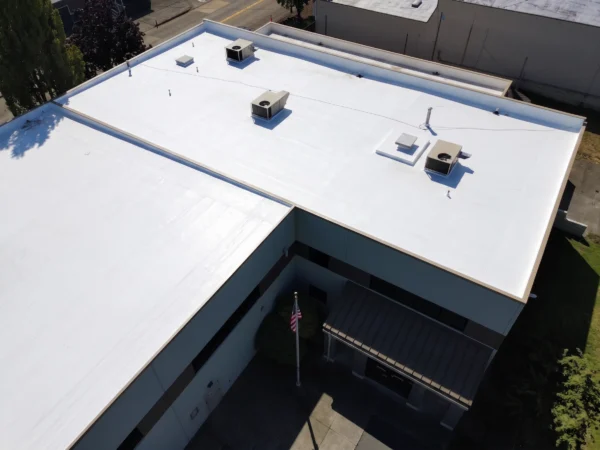
TPO overlay for a precision manufacturer of high-performance plastics and composite components.
View project →A property manager reviewing a commercial roofing company wants to know two things: if the crew showed up when promised and if the roof remained dry. Read what owners and managers across the Greater Seattle Area say about both.
We are based in Tukwila and provide local commercial roofing services in 47 cities across King, Pierce, Snohomish, Thurston, Kitsap, Mason, Whatcom, Skagit, and Lewis counties. See our Seattle and Tukwila pages for city-specific detail, or tap a city on the map.
Commercial roofing covers the installation, repair, and replacement of roofs on non-residential buildings and on multi-family residential buildings such as apartment complexes and condos. Most commercial roofs are flat or low-slope and use single-ply membranes such as TPO or PVC, metal panels, or liquid-applied coatings. The types of commercial roofing systems we install are listed on our roofing systems page.
For roofing and permit purposes, the line follows the building code, not the lot. Detached one- and two-family homes and townhouses fall under the residential code. Apartment buildings, condos with a shared roof, offices, retail, warehouses, schools, churches, and healthcare facilities fall under the commercial building code. If your building has five or more dwelling units under one roof, it is treated as commercial. When in doubt, send us the address and we will tell you.
Washington Weather Shield is primarily a commercial roofing contractor, specializing in commercial and multi-family properties. While the majority of our work involves flat and low-slope roofing systems, we selectively take on residential and steep-slope projects depending on the scope and project requirements.
The right approach depends on the condition, age, and existing system of your roof, as well as the extent of any damage or leaks. Some roofs may only need targeted repairs or ongoing maintenance, while others may be good candidates for restoration or coating. When deterioration is more extensive or the existing system has reached the end of its service life, replacement may be the better option. We start with a roof inspection, evaluate the existing conditions, and provide a clear written recommendation based on what we find.
Hiring the company does not require a permit. The work usually does. In Seattle, for example, a commercial or multi-family re-roof permit is required once you repair more than 500 square feet or replace the roof cover, sheathing, or insulation. Thresholds and process differ by city across the Puget Sound region. We pull the permits, carry the paperwork, and close them out as part of every project.
Look for a company that does commercial roofing as its core business rather than a residential roofer with a commercial division. Check for manufacturer certifications on the specific roofing system being proposed, current licensing and insurance, and experience with buildings and roof systems similar to yours. Review the proposal carefully to make sure the scope of work, materials, warranty coverage, exclusions, and payment terms are clearly defined. Before the project begins, discuss scheduling, building access, tenants or occupants, and any operational considerations that could affect the work. You should also understand how unforeseen conditions and change orders will be communicated and approved if they arise.
Two numbers set the baseline: your building’s square footage and the roof system you choose. Everything past that comes down to the condition of the roof underneath and what it takes to get it watertight again.
Factors that move the price include:
Every quote starts with an inspection of your specific roof, not a size chart. That’s how we keep the price tied to what your building actually needs.
Yes. Every repair, maintenance, restoration, and replacement proposal comes in writing with the recommended system, the scope of work, the schedule, and warranty options. You should be able to hand it to an owner or board and have it stand on its own.
At Washington Weather Shield, all commercial roofing contracts must be signed prior to the start of the project. Our standard payment schedule is 50% upfront to order materials and secure your installation dates on our calendar, with the remaining 50% due upon completion of the project. For larger commercial roofing projects, progress payments may be requested during the duration of the work, depending on the size and scope.
Yes. Washington Weather Shield is fully licensed, and our commercial roofing team is trained and certified to install roofing systems using manufacturer-approved methods for long-term performance and warranty compliance. We are certified with top commercial roofing manufacturers, including GAF (TPO & PVC), Versico (TPO & PVC), Duro-Last (PVC), and GE Enduris—and we’re especially proud to hold GAF GoldElite™ Commercial Contractor status, a highly selective certification level.
At Washington Weather Shield, our commercial roofing crews complete ongoing hands-on training each year to stay current on the latest installation methods, safety standards, and manufacturer requirements. This includes training and education through top roofing manufacturers such as GAF (TPO & PVC), Versico (TPO & PVC), Duro-Last (PVC), and GE Enduris, helping ensure every roof we install meets professional standards and warranty guidelines.
Yes. Washington Weather Shield installs manufacturer-backed commercial roofing systems. All of our roofing systems are built using trusted, manufacturer-approved materials and installation methods to support long-term performance and warranty eligibility.
A qualified commercial roofer should have proven experience with commercial flat and low-slope roofing, proper licensing and insurance, strong safety practices, and the ability to provide detailed scopes, references, and warranty options. At Washington Weather Shield, we meet these standards through our commercial roofing expertise, manufacturer certifications, and our commitment to professional installation methods and long-term roof performance.
Our articles cover the questions we hear most from property managers and owners: how to choose a contractor, what an inspection covers, and what to expect during an install. Browse the latest, or visit the full FAQ page and project gallery.

If you’re comparing roofing proposals for your commercial building, you may keep seeing the same material: TPO. But what would a TPO roofing system mean for your building? For Seattle building owners, that means…
Read the article →
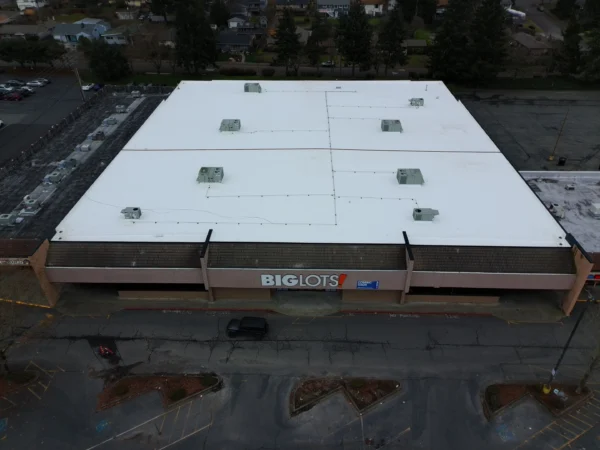
Most guides covering the types of roof materials focus on residential roofing options like shingles, tile, and slate. Commercial buildings, however, have…
Read the article →
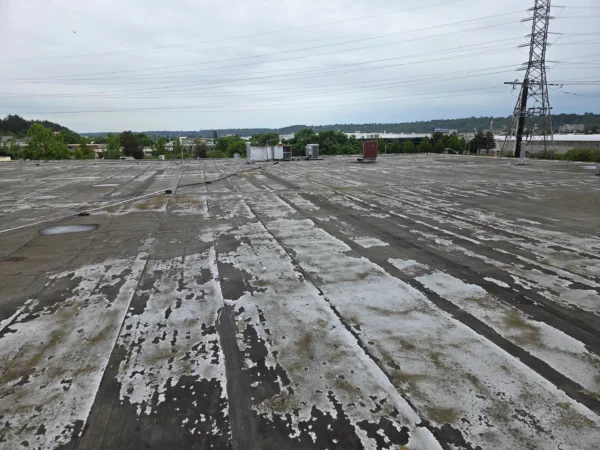
A tenant calls about a stain spreading across a ceiling tile: the first visible sign of a leaking roof. The natural assumption…
Read the article →
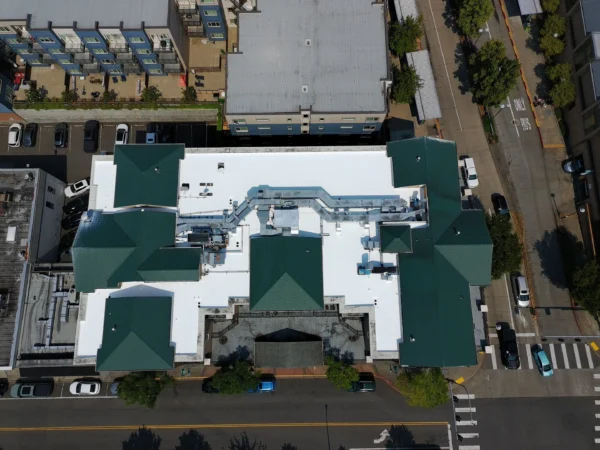
A replacement quote lands on your desk, and the number alone makes you want a second opinion. That’s often when commercial roof…
Read the article →
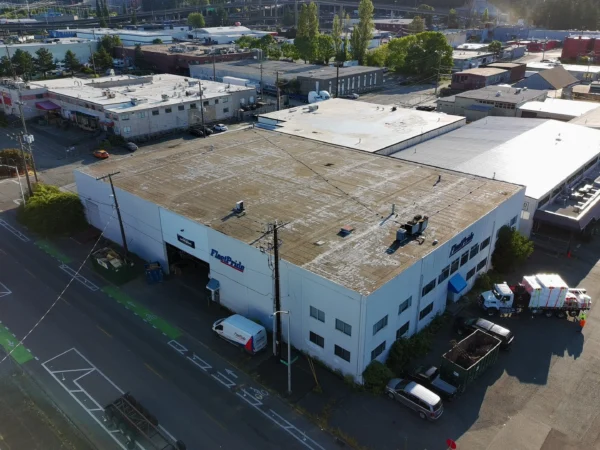
Most leak calls start the same way. A tenant reports a ceiling stain, someone blames last week’s windstorm, and the roof gets…
Read the article →
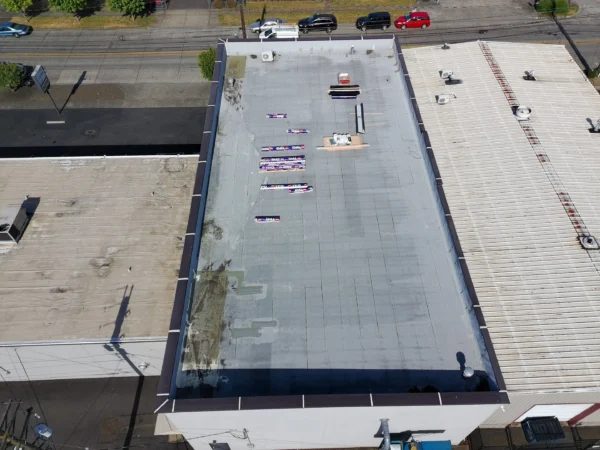
Every commercial roof inspection typically leads to one of five recommendations: routine maintenance, targeted repairs, a roof coating, an overlay, or a…
Read the article →
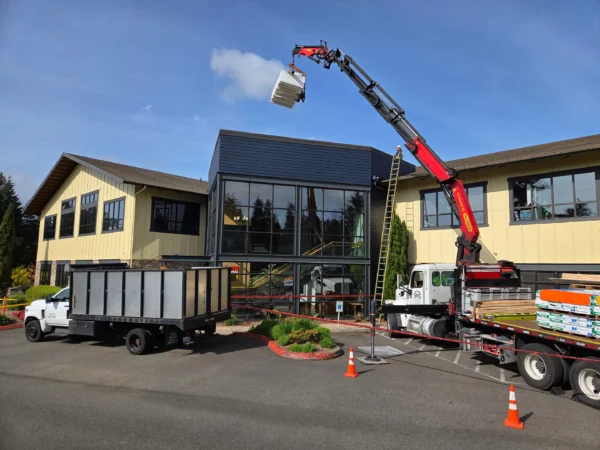
Your building cannot shut down for three weeks while the roof comes off. Tenants still need the elevators, the loading dock, and…
Read the article →
A sealant bead cracks at an HVAC curb sometime in August. Nobody sees it. Leaves fill the low corner beside a drain…
Read the article →
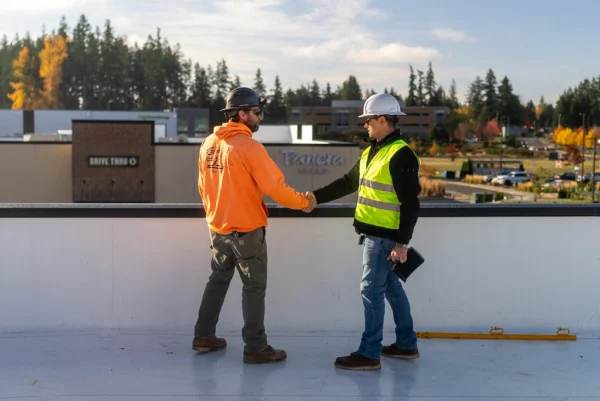
Choosing the wrong commercial roofing contractor doesn't just cost you a redo. It costs you twice: once for the bad work, and…
Read the article →Tell us the property type and the problem. We will inspect the roof, scope the work, and send a written quote with a schedule that fits how your building operates.