Haven of Rest
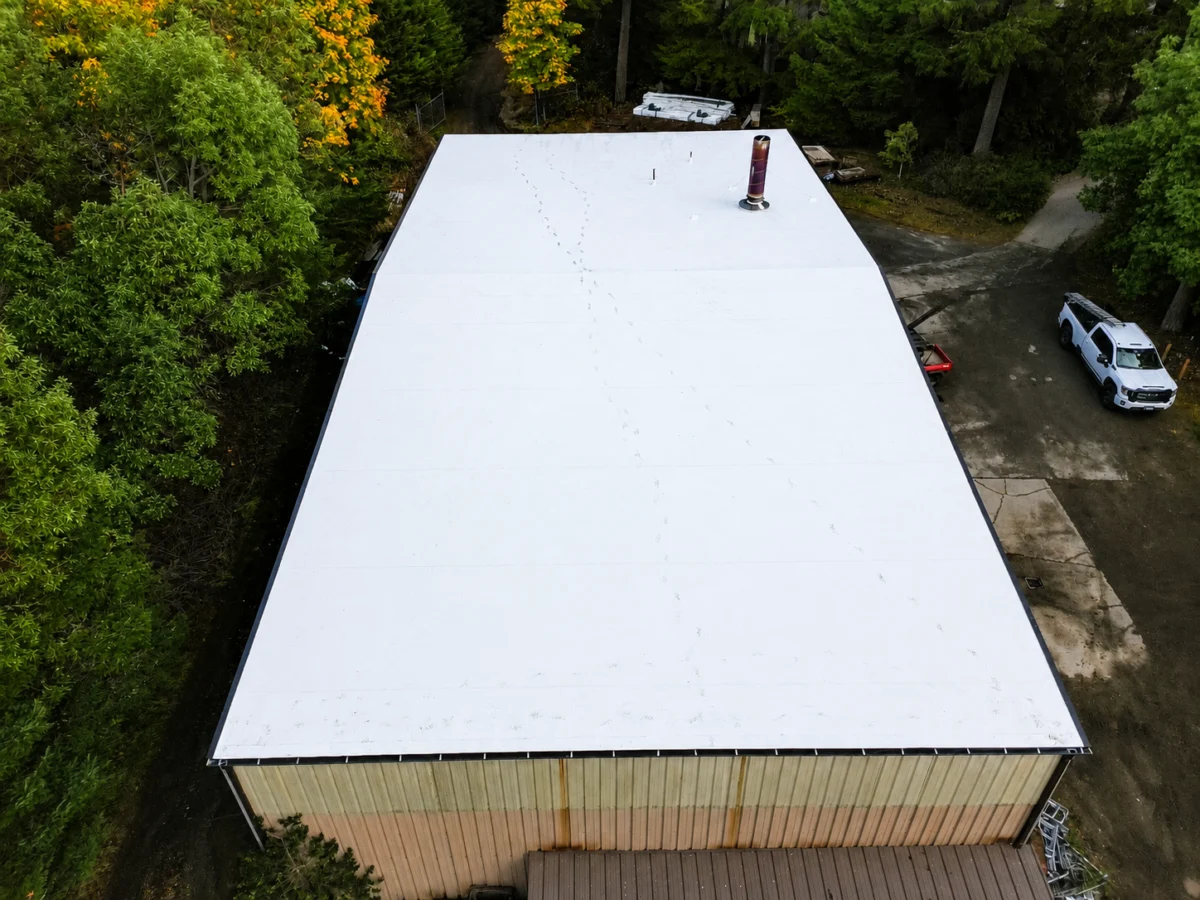
Roof retrofit upgrading aging standing-seam metal to a TPO system, no full tear-off needed.
View project →FALL SPECIAL Up to $5,000 off a new roof installation. Applies to new roof installs only. Get my free estimate

About Us
Seattle commercial roofing services with transparent pricing and fast project delivery. We handle permits, cleanup, and tenant notices. Call 206-504-1500.
Where to Find Us

Warehouse Roofing Company in Seattle
Washington Weather Shield is a warehouse roofing company in Seattle serving property owners, managers, and general contractors throughout the Puget Sound region. From repairs and roof restoration to complete replacements, we provide commercial roofing solutions designed to minimize disruptions to warehouse operations, inventory storage, and shipping schedules.
We provide roofing services for a variety of warehouse and industrial facilities, tailoring our approach to each property’s operational needs and access requirements.
Roofing solutions that help protect stored inventory, with attention to leak prevention, drainage, and building access.
Coordinate roofing work around loading docks, truck traffic, and shipping schedules to minimize operational disruptions.
Plan roofing activities around picking, packing, and shipping operations to maintain business continuity.
Coordinate roofing projects with property managers and tenants to minimize disruptions across shared facilities.
We provide roofing solutions for warehouse buildings throughout the Puget Sound region, from older industrial facilities to modern distribution centers. Our warehouse roofing services cover everything from repairs and maintenance to complete roof replacements.
Full replacement for roofs at the end of their service life.
Targeted repairs to address leaks, damage, and vulnerable roof areas.
Roofing for new buildings, additions, and major renovations.
A new engineered roof installed over the existing structure.
Scheduled care that catches issues early and extends roof life.
Fast response for active leaks and storm damage.
Routine roof cleaning to help maintain proper drainage and protect roofing systems.
Warehouse roofs are large, mostly flat, and sit over goods that cannot get wet. These are the conditions we look at first on every building.
Warehouse roof structures vary from wood decking supported by glulam beams to steel decking commonly found in newer distribution centers. The existing structure influences roofing system selection, attachment methods, and whether a roof retrofit is feasible.
Large warehouse roofs require effective drainage to prevent standing water and premature deterioration. We evaluate existing drains, scuppers, and roof slope to identify potential improvements, including tapered insulation where appropriate.
Warehouse roofs often feature skylights and smoke vents that require proper flashing and waterproofing. These areas also require appropriate safety precautions during roofing work.
HVAC units, exhaust fans, sprinkler components, and other rooftop penetrations require properly installed flashing to help prevent water intrusion. Coordination with other trades is important when equipment is installed, serviced, or modified.
Our wet season runs from fall into spring, with long stretches of steady rain. A slow leak over a high-bay rack can go unnoticed for weeks. Water also travels along the deck before it drips, so the wet spot on the floor rarely marks the entry point. We trace leaks from the roof side and check for moisture under the membrane before we patch anything.
Age alone doesn’t determine whether a warehouse roof needs replacement. Its overall condition, moisture levels, and repair history help determine the most practical and cost-effective solution.
Large warehouse roofs may allow for phased replacements, helping spread costs and minimize operational disruptions. Roof coatings may also provide a restoration option for eligible roofs when conditions and weather permit.
When replacement isn’t necessary, routine maintenance and periodic inspections can help extend roof life and support long-term budgeting.
The right warehouse roofing system depends on roof slope, existing conditions, drainage, and maintenance needs. We help property owners evaluate suitable materials for long-term performance.
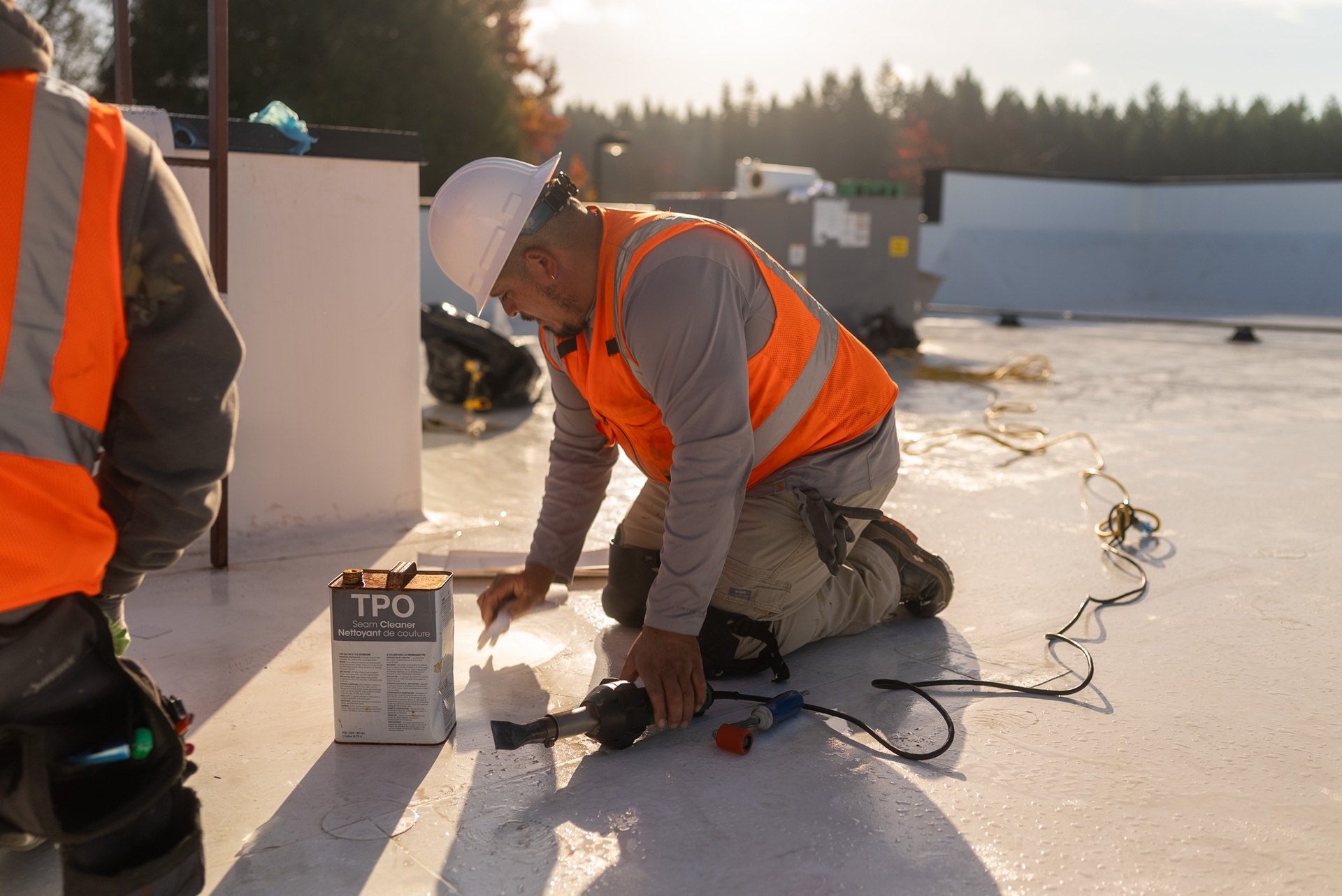
TPO is a durable, energy-efficient single-ply membrane commonly used on flat and low-slope warehouse roofs. Its heat-welded seams and reflective surface make it a popular choice for large commercial buildings.
Explore commercial TPO roofing
PVC is a durable, heat-welded membrane well-suited for low-slope warehouse roofs, particularly those exposed to grease, oils, or certain chemicals.
Explore commercial PVC roofing
Metal roofing systems offer durability and long-term performance for suitable warehouse structures. Depending on the existing roof’s condition, repairs, restoration, retrofits, or replacement may be appropriate.
Explore commercial metal roofing
Roof coatings provide a cost-effective restoration option for eligible warehouse roofs, helping extend service life without a complete replacement. Suitability depends on the existing roof system, substrate condition, and moisture levels.
Explore commercial roof coatings

We understand the importance of keeping warehouse operations running during roofing projects. Our team coordinates with facility managers to minimize disruptions to shipping, inventory, and daily activities.
Coordinate material deliveries and equipment access around loading docks, truck traffic, and shipping schedules.
Plan equipment placement, material storage, and crew access to minimize interference with warehouse operations.
Identify areas requiring protection from dust, debris, and potential exposure during roofing work.
Maintain safe access to designated entrances, parking areas, and employee facilities.
Coordinate roofing activities around operating hours and shift schedules when feasible.
Plan installation activities and temporary weatherproofing measures to help protect the building and its contents throughout the project.
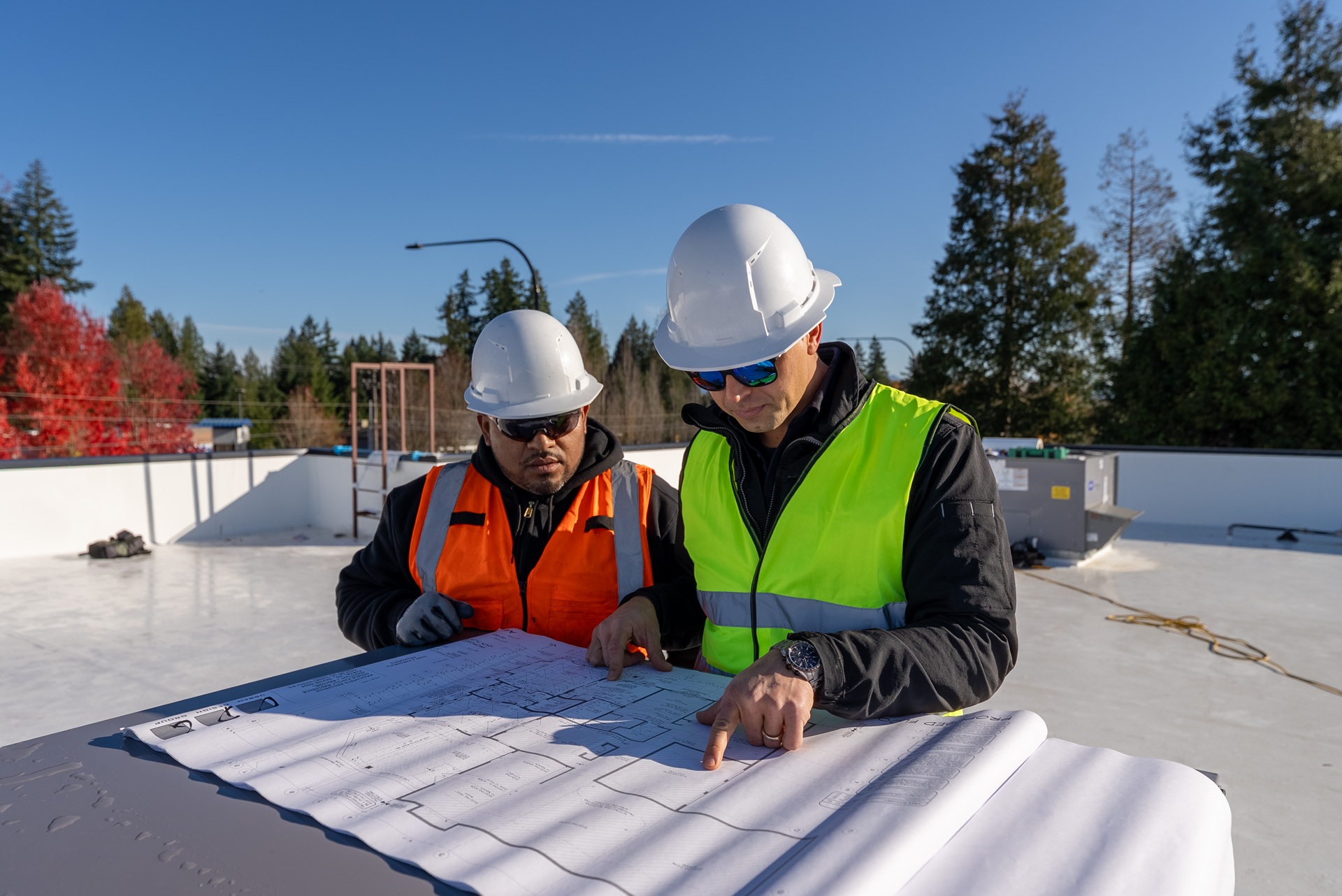
We review the existing roofing, document conditions, and discuss leaks, previous repairs, access, and your longer-term plans. Tell us about delivery windows and areas requiring special coordination.
You receive a written proposal outlining the recommended work and pricing. When we roof warehouse buildings that remain occupied, access arrangements and project sequencing are part of the planning discussion.
Our team manages the agreed work with project updates and site housekeeping. At handoff, you receive the relevant project documentation and information for future maintenance or warranty support.
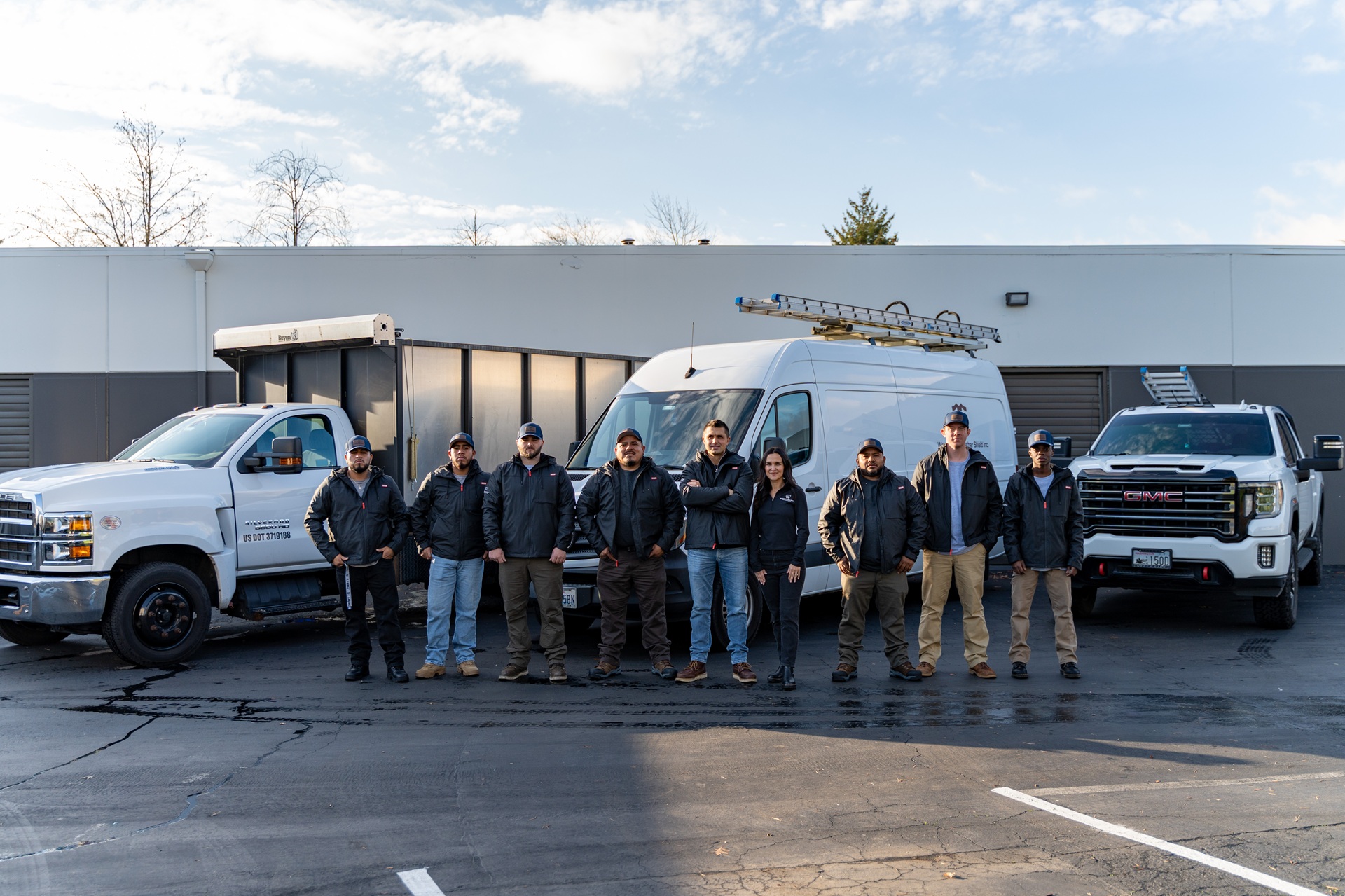
Ivan and Rita Prokopets own Washington Weather Shield and stay involved in every project, from the first roof walk to closeout. On a warehouse job, the people who priced the work are the people you call when the schedule changes.
A written scope, milestone sign-offs, and change orders approved before the work changes, so the final invoice matches the plan you signed.
Progress photos and short reports at each milestone, ready to send to ownership or an asset manager.
Cleanup of truck courts, dock aprons, and parking areas, because a roofing screw in a trailer tire can stop a delivery.
If our work leaks, we are on site within 24 hours and fix it at no cost to you.
We hold GAF GoldElite Commercial Contractor status and are certified with Versico, Duro-Last, and GE Enduris, so your roof qualifies for manufacturer-backed warranties.
Free roof audits, a three-year capital plan, and priority scheduling for owners and managers with several buildings.
Every one of our professional commercial roofing services uses manufacturer-approved membranes, coatings, and flashing details. That applies to all the types of commercial roofing we install: single-ply membranes, coatings, and metal.
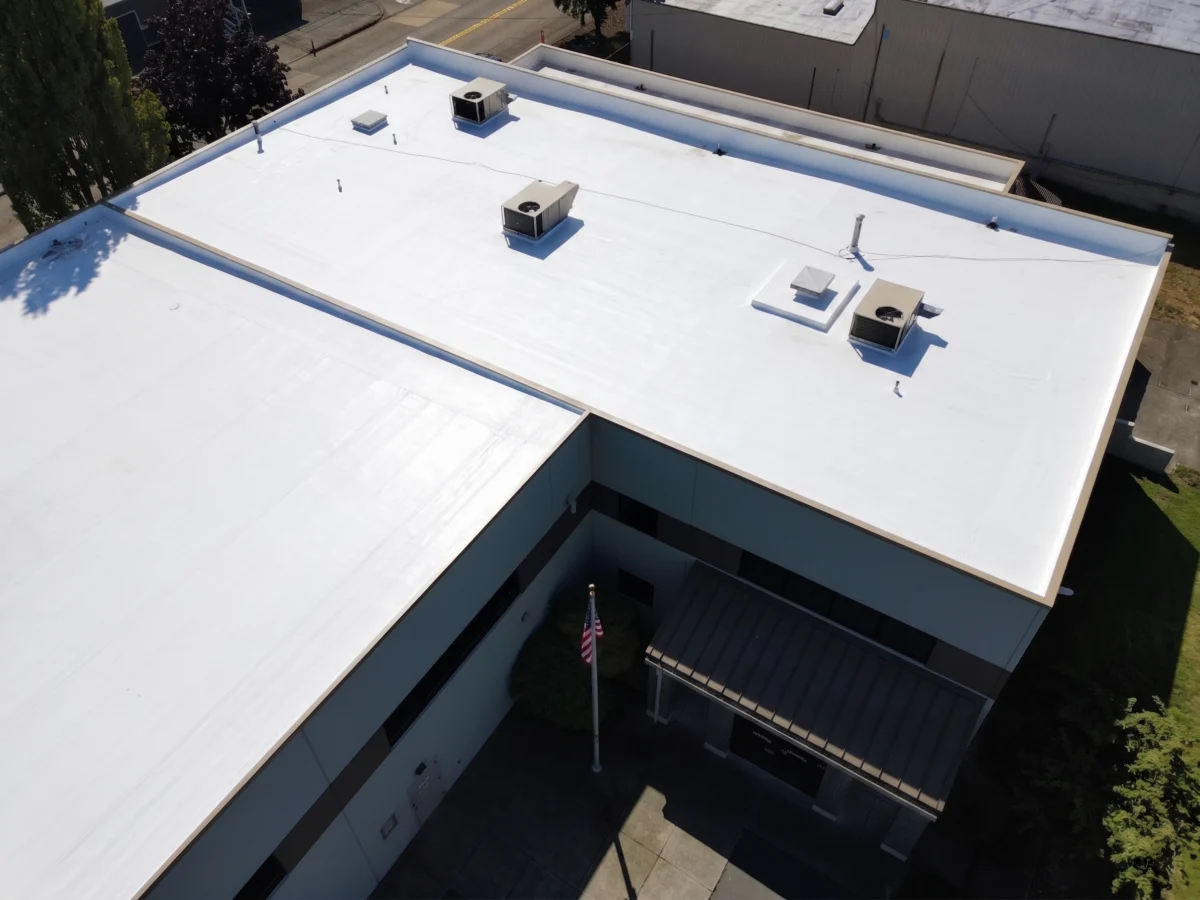
A look at recent commercial roofs we’ve installed, replaced, and protected across Western Washington.

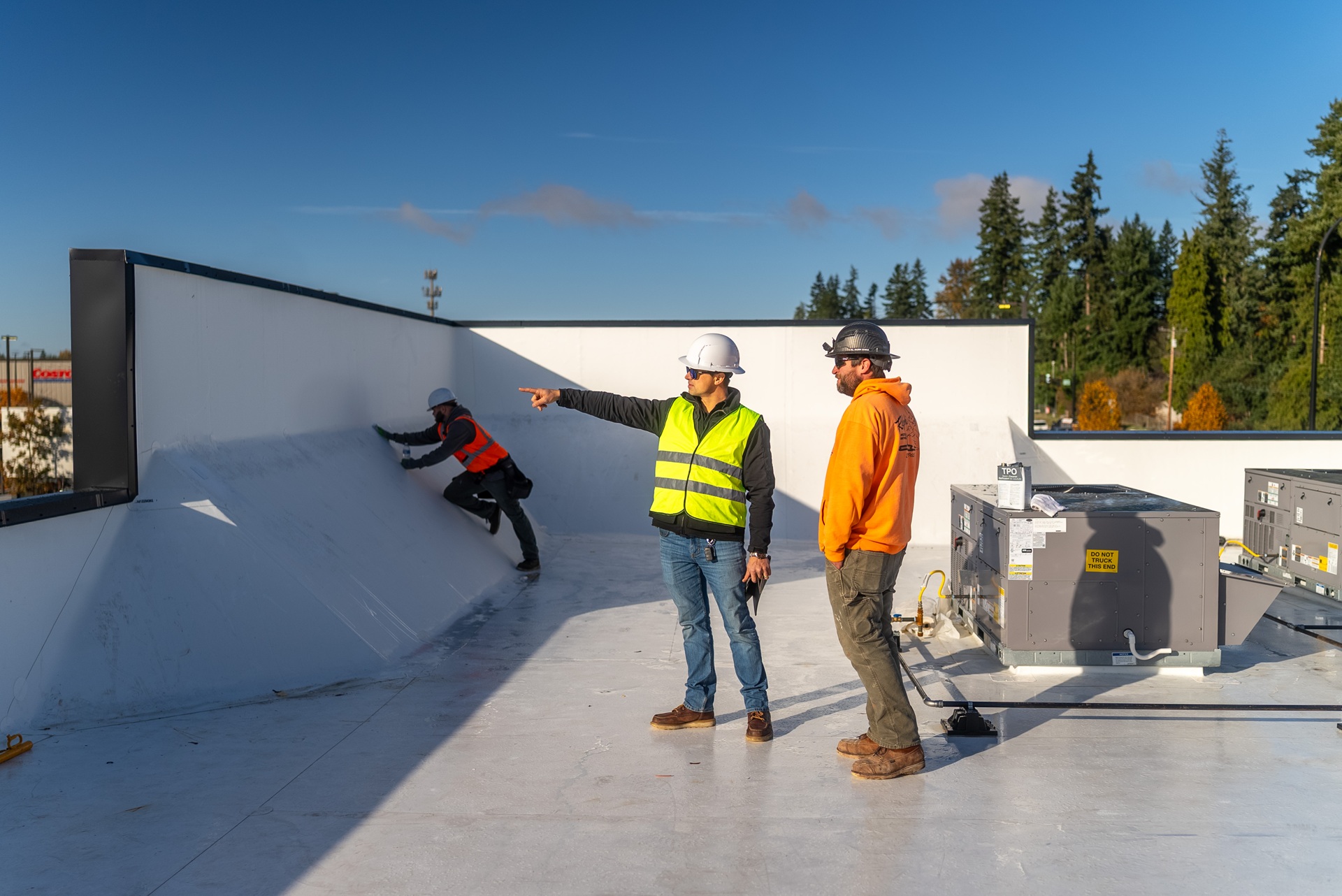
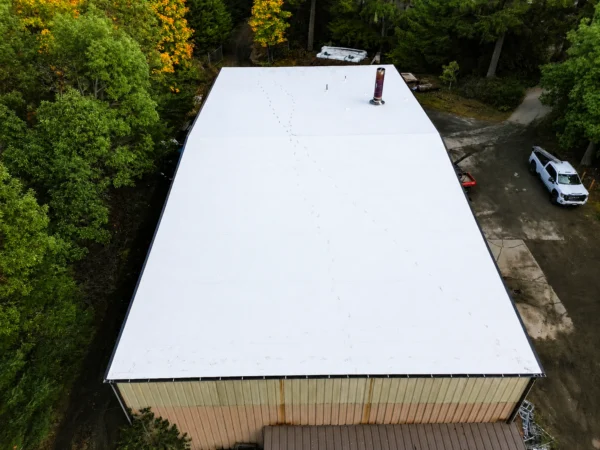
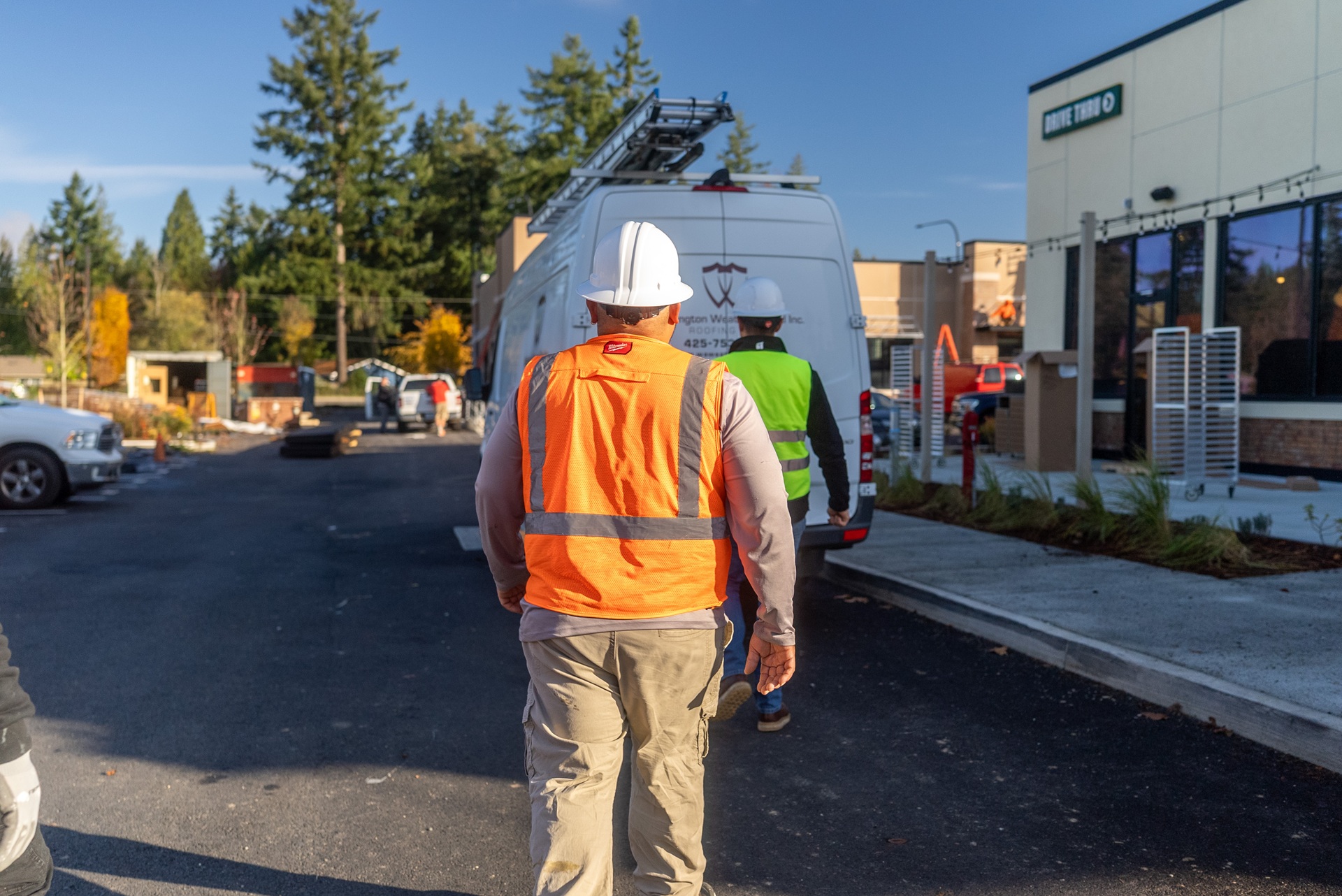
Roof retrofit upgrading aging standing-seam metal to a TPO system, no full tear-off needed.
View project →
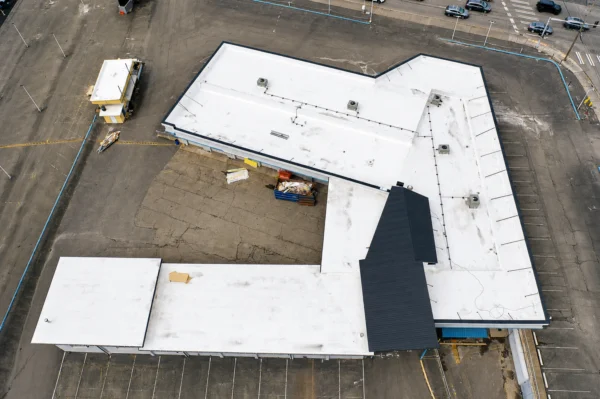
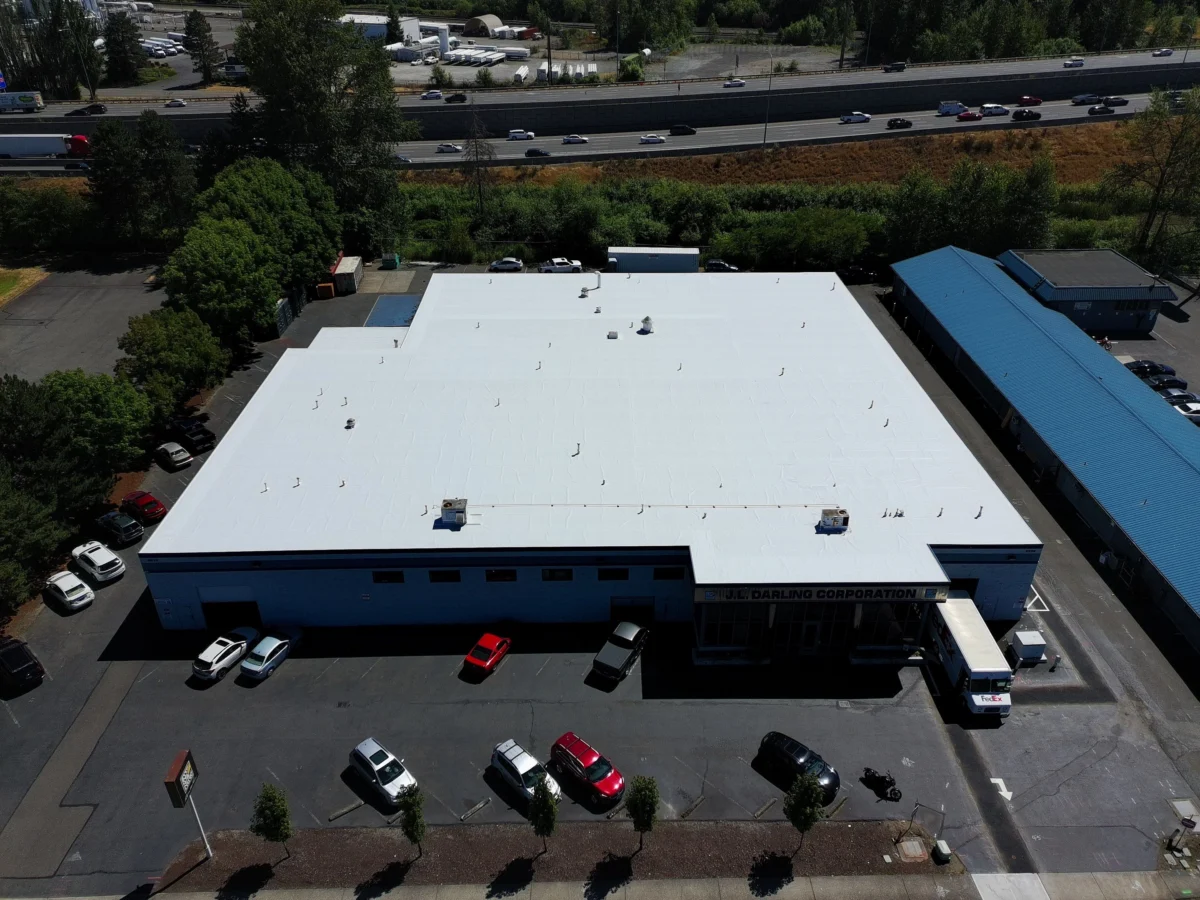
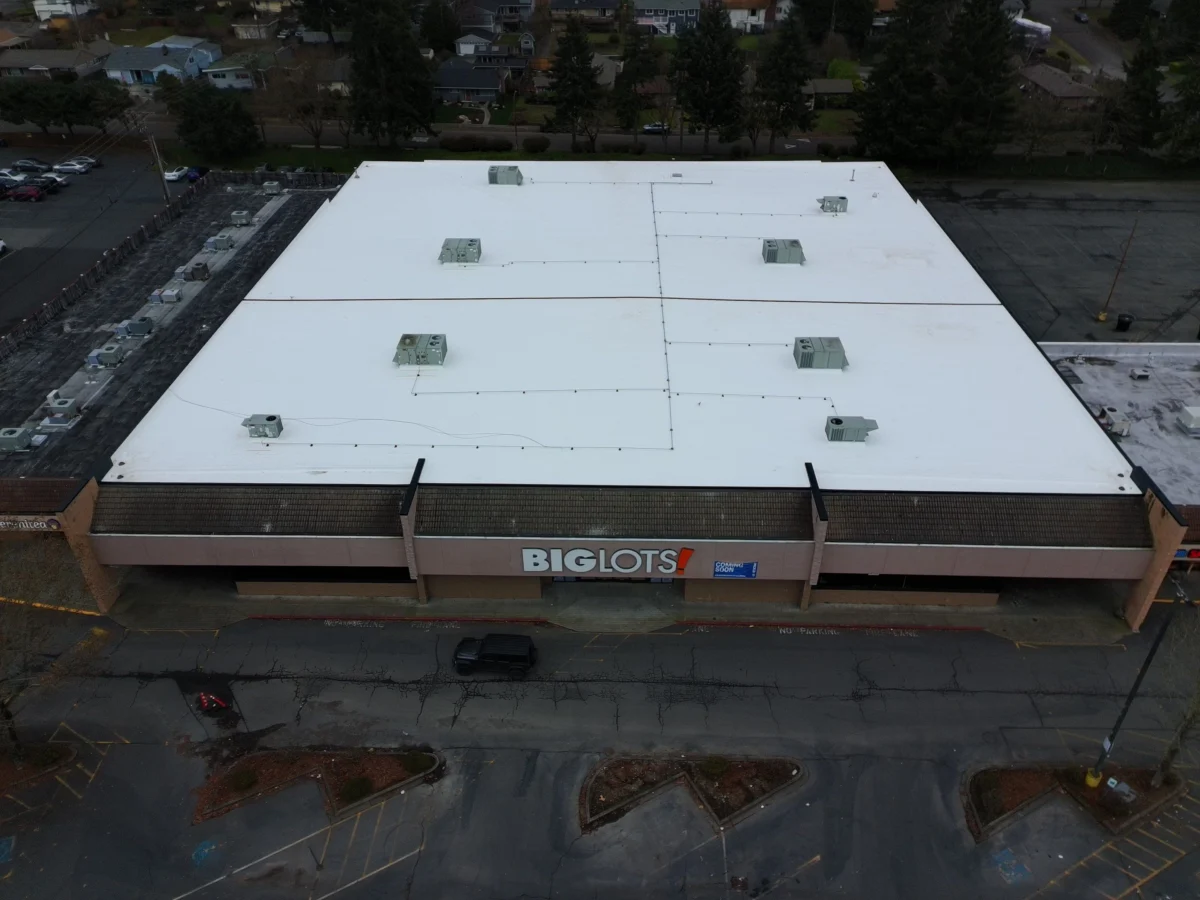
Full roof tear-off with asbestos abatement and complete replacement for an auto dealership.
View project →
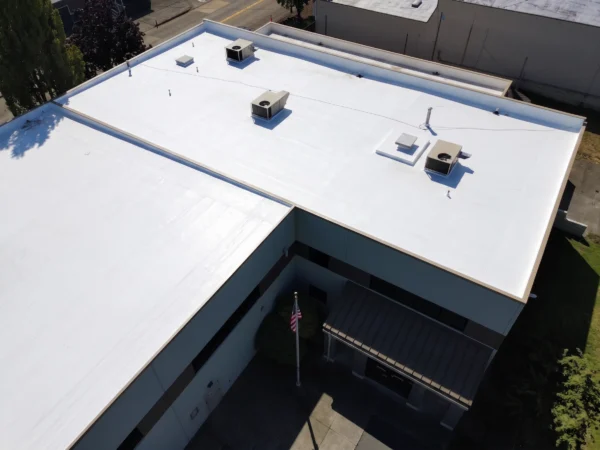
TPO overlay for a precision manufacturer of high-performance plastics and composite components.
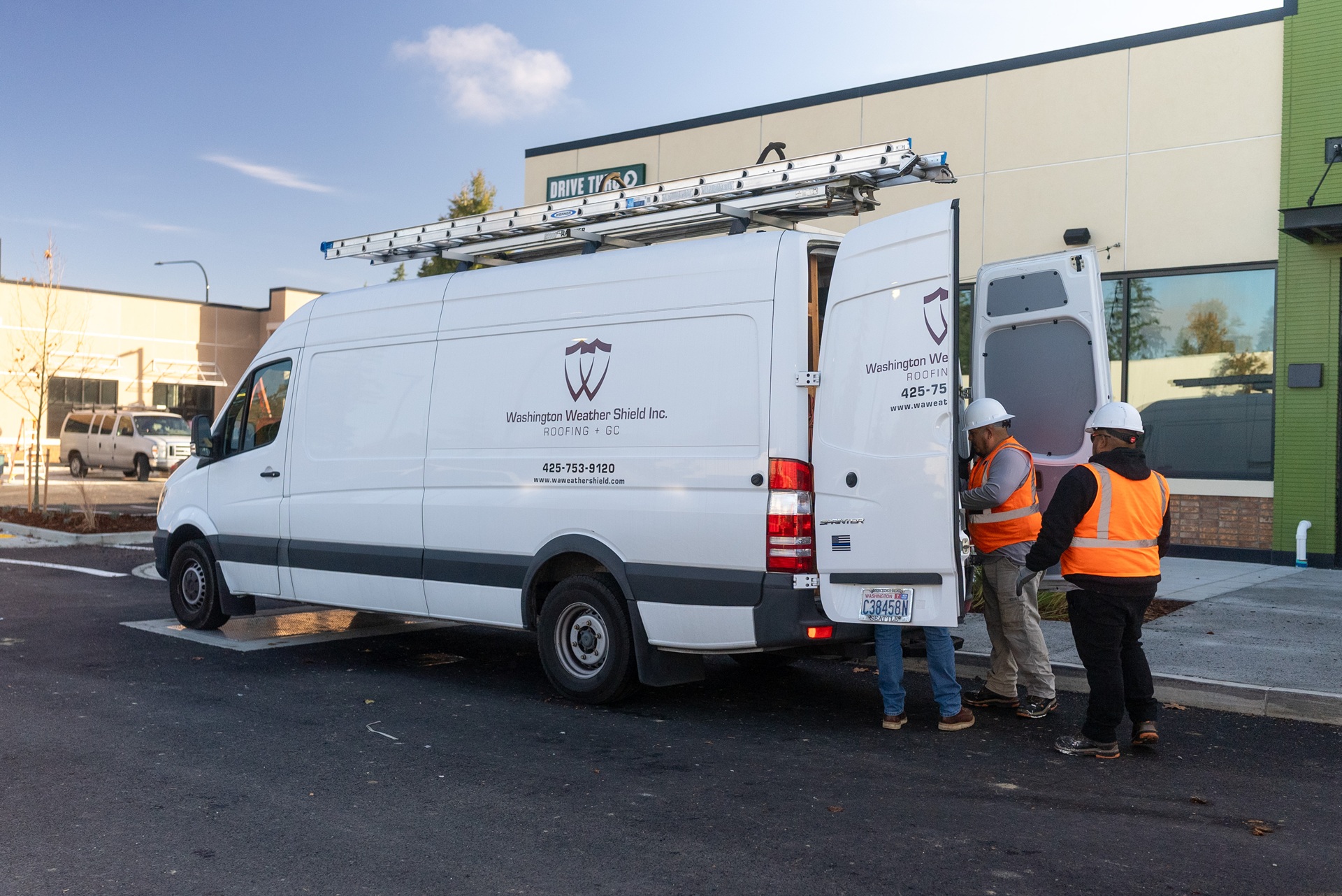
View project →Washington Weather Shield is a family-owned commercial roofing company based in Tukwila. Ivan and Rita Prokopets run the business and stay involved in projects, from the first site visit to the closeout walk.
A property manager reviewing a commercial roofing company wants to know two things: if the crew showed up when promised and if the roof remained dry. Read what owners and managers across the Greater Seattle Area say about both.
We are based in Tukwila and provide local commercial roofing services in 47 cities across King, Pierce, Snohomish, Thurston, Kitsap, Mason, Whatcom, Skagit, and Lewis counties. See our Seattle and Tukwila pages for city-specific detail, or tap a city on the map.
Warehouses commonly use low-slope membrane systems such as TPO or PVC, as well as metal roofing where the building’s design supports it. The appropriate choice depends on the assembly, drainage, use, and maintenance needs. Coatings may be an option for restoring a suitable existing system.
Commercial roofing systems generally fall into three broad categories: single-ply membranes (TPO and PVC), metal roofing, and built-up or modified bitumen roofing. Each offers different benefits depending on the building’s design, roof slope, and performance requirements.
Industrial roofing includes the installation, repair, replacement, and maintenance of roofing systems for warehouses, manufacturing facilities, distribution centers, and other industrial properties. These projects often require specialized solutions for large roof areas, drainage, rooftop equipment, and ongoing operations.
Yes, many warehouse roofing projects can be completed while facilities remain operational. We coordinate with facility managers to minimize disruptions to shipping, inventory storage, employee access, and daily operations. Temporary restrictions may be necessary depending on the project scope.
Project timelines vary based on roof size, existing conditions, materials, weather, and installation requirements. Smaller repairs may take a day, while complete warehouse roof replacements can take several days or weeks. We provide an anticipated project timeline during the proposal process.
We generally recommend inspecting commercial warehouse roofs at least twice a year, ideally in spring and fall, as well as after major storms. Routine inspections help identify drainage issues, membrane damage, and other potential problems before they lead to costly repairs.
Pricing depends on area, system selection, removal requirements, insulation, deck condition, and access. Drainage corrections and complex penetrations can also affect the scope. An onsite assessment and written proposal provide a useful basis for comparing options.
Yes. Every proposal comes in writing with the recommended system or repair approach, the scope of work, a project timeline, and the warranty options available.
At Washington Weather Shield, all commercial roofing contracts must be signed prior to the start of the project. Our standard payment schedule is 50% upfront to order materials and secure your installation dates on our calendar, with the remaining 50% due upon completion of the project. For larger commercial roofing projects, progress payments may be requested during the duration of the work, depending on the size and scope.
Yes. Washington Weather Shield is a licensed commercial roofing contractor, and our crews receive ongoing training in installation methods, safety, and manufacturer requirements. For warehouse roofing projects, we follow the specifications and installation standards required for the membrane, coating, or metal system being installed.
At Washington Weather Shield, our commercial roofing crews complete ongoing hands-on training each year to stay current on the latest installation methods, safety standards, and manufacturer requirements. This includes training and education through top roofing manufacturers such as GAF (TPO & PVC), Versico (TPO & PVC), Duro-Last (PVC), and GE Enduris (silicone coatings), helping ensure every roof we install meets professional standards and warranty guidelines.
Yes. Washington Weather Shield installs manufacturer-backed commercial roofing systems. All of our roofing systems are built using trusted, manufacturer-approved materials and installation methods to support long-term performance and warranty eligibility.
A qualified commercial roofer should have proven experience with flat and low-slope commercial roofing and the pitched sections that connect to it, proper licensing and insurance, strong safety practices, and the ability to provide detailed scopes, references, and warranty options. At Washington Weather Shield, we meet these standards through our warehouse roofing expertise, manufacturer certifications, and our commitment to professional installation methods and long-term roof performance.
Our articles cover the questions we hear most from property managers and owners: how to choose a contractor, what an inspection covers, and what to expect during an install. Browse the latest, or visit the full FAQ page and project gallery.

Most guides covering the types of roof materials focus on residential roofing options like shingles, tile, and slate. Commercial buildings, however, have different roofing requirements. Many commercial properties in Seattle and Tacoma feature low-slope…
Read the article →
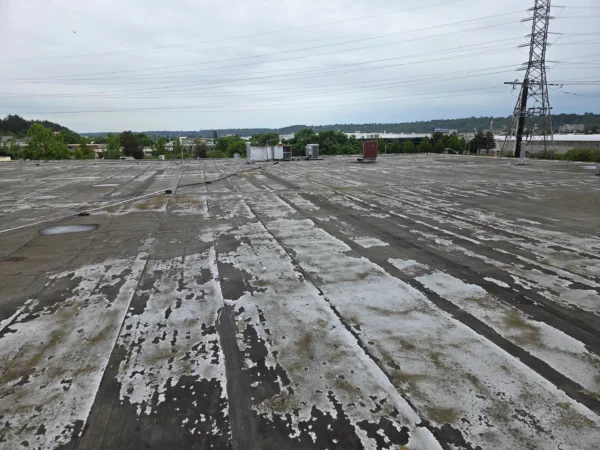
A tenant calls about a stain spreading across a ceiling tile: the first visible sign of a leaking roof. The natural assumption…
Read the article →
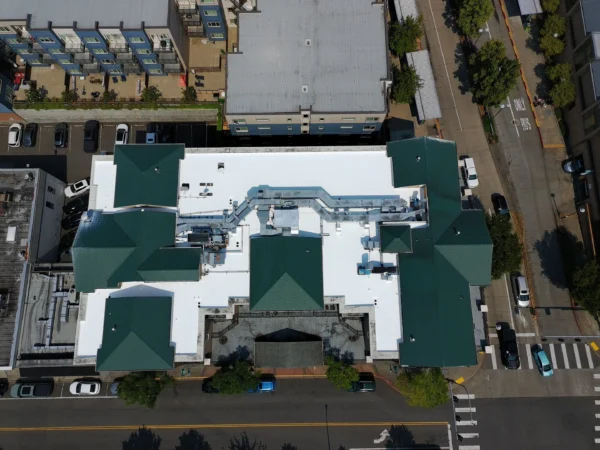
A replacement quote lands on your desk, and the number alone makes you want a second opinion. That’s often when commercial roof…
Read the article →
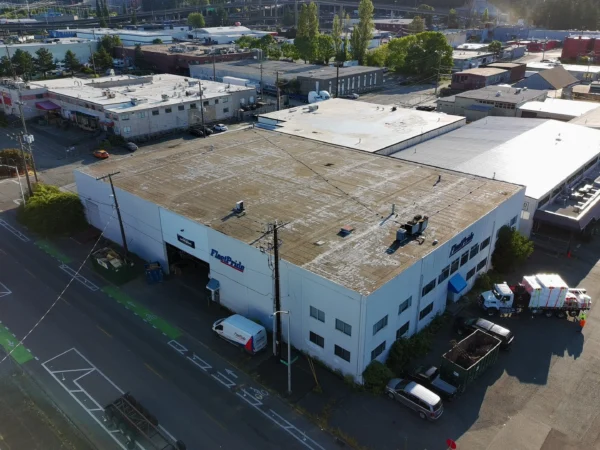
Most leak calls start the same way. A tenant reports a ceiling stain, someone blames last week’s windstorm, and the roof gets…
Read the article →
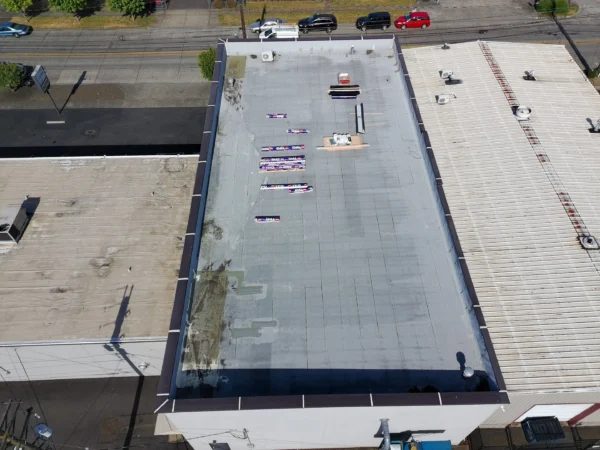
Every commercial roof inspection typically leads to one of five recommendations: routine maintenance, targeted repairs, a roof coating, an overlay, or a…
Read the article →
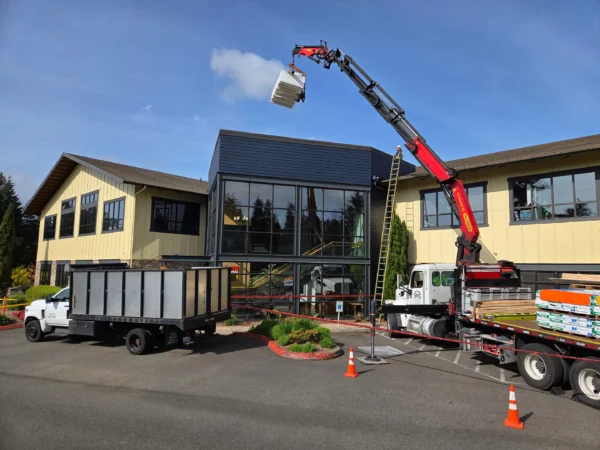
Your building cannot shut down for three weeks while the roof comes off. Tenants still need the elevators, the loading dock, and…
Read the article →
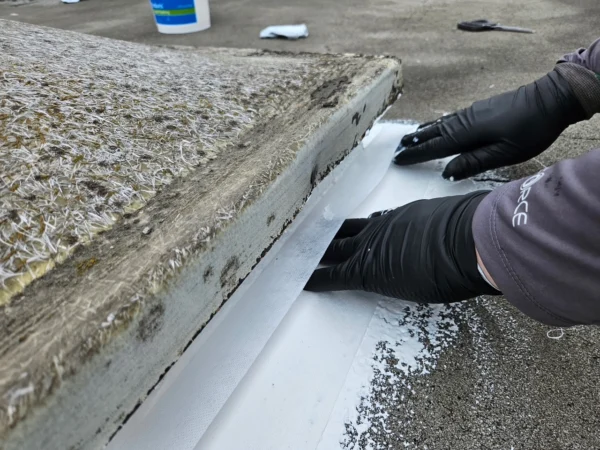
A sealant bead cracks at an HVAC curb sometime in August. Nobody sees it. Leaves fill the low corner beside a drain…
Read the article →
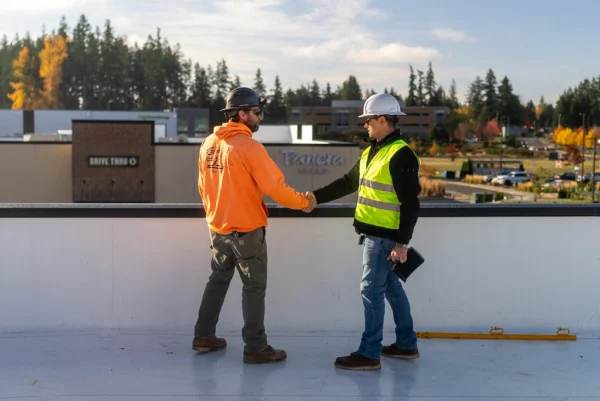
Choosing the wrong commercial roofing contractor doesn't just cost you a redo. It costs you twice: once for the bad work, and…
Read the article →
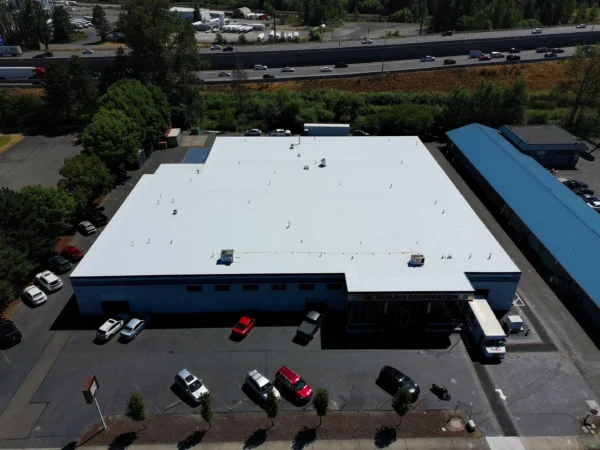
When building owners ask, "What is the best commercial roofing material?" the answer is rarely straightforward. As Rita Prokopets, Chief Operating Officer…
Read the article →Tell us whether your property is a storage warehouse, a distribution or logistics center, a fulfillment facility, or a multi-tenant warehouse property. We will inspect the roof, document the conditions, and send a written scope. Washington Weather Shield provides warehouse roofing across Greater Seattle for property owners, managers, and their tenants.