Haven of Rest
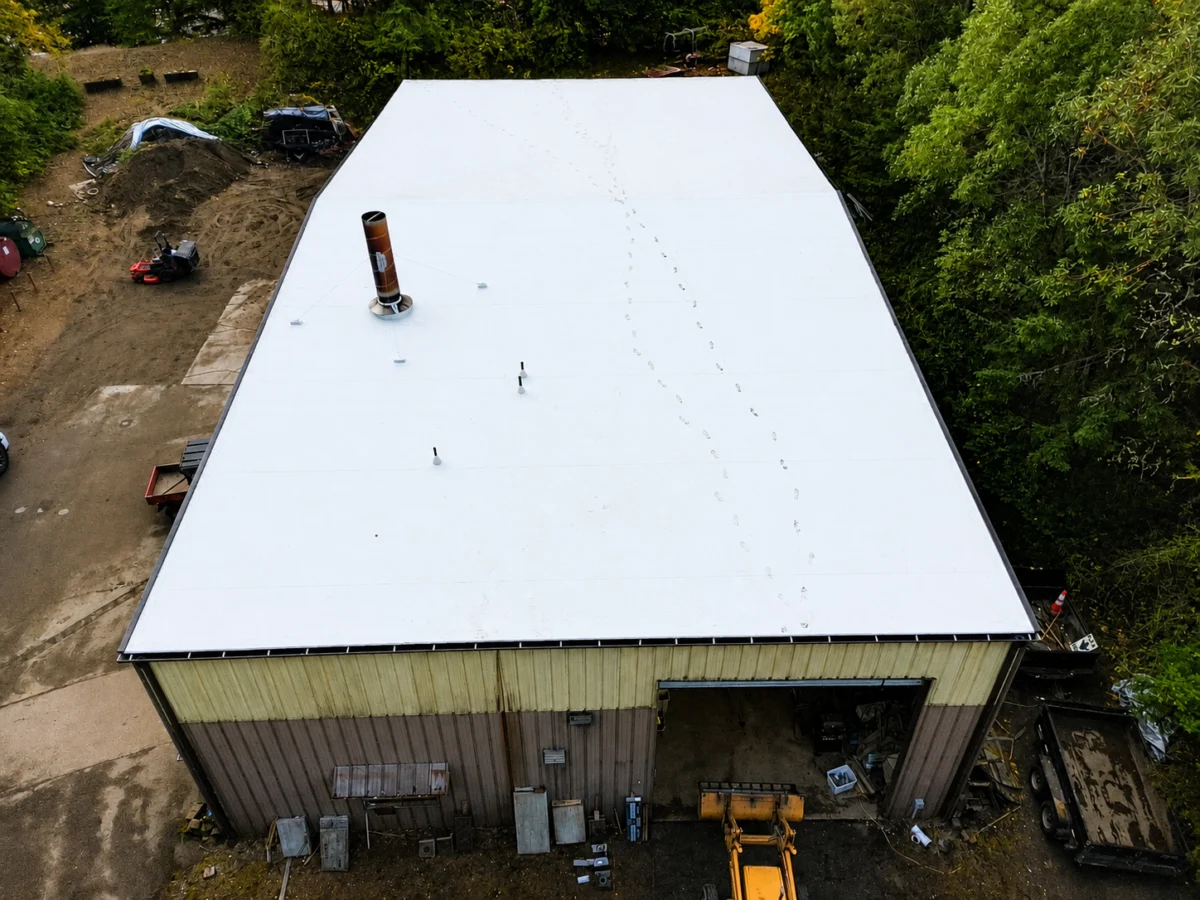
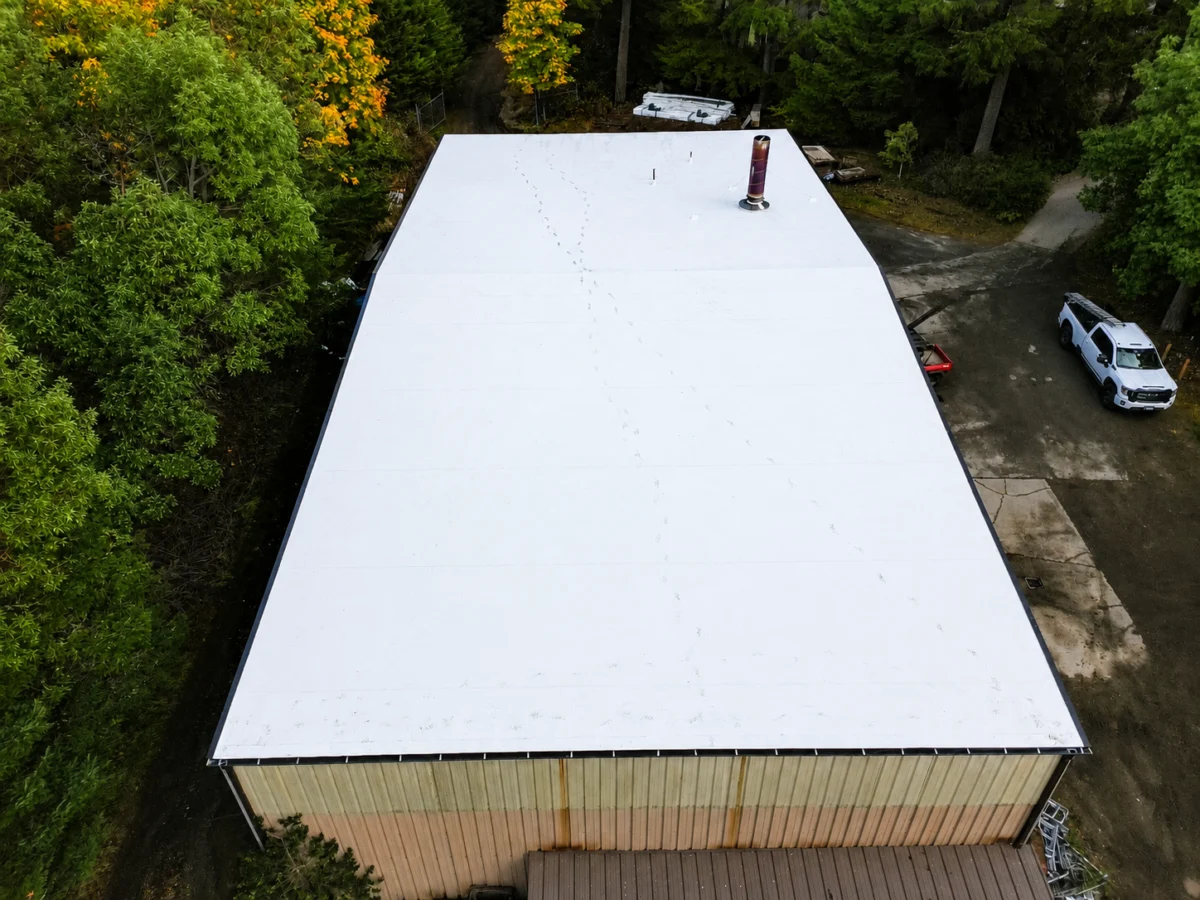
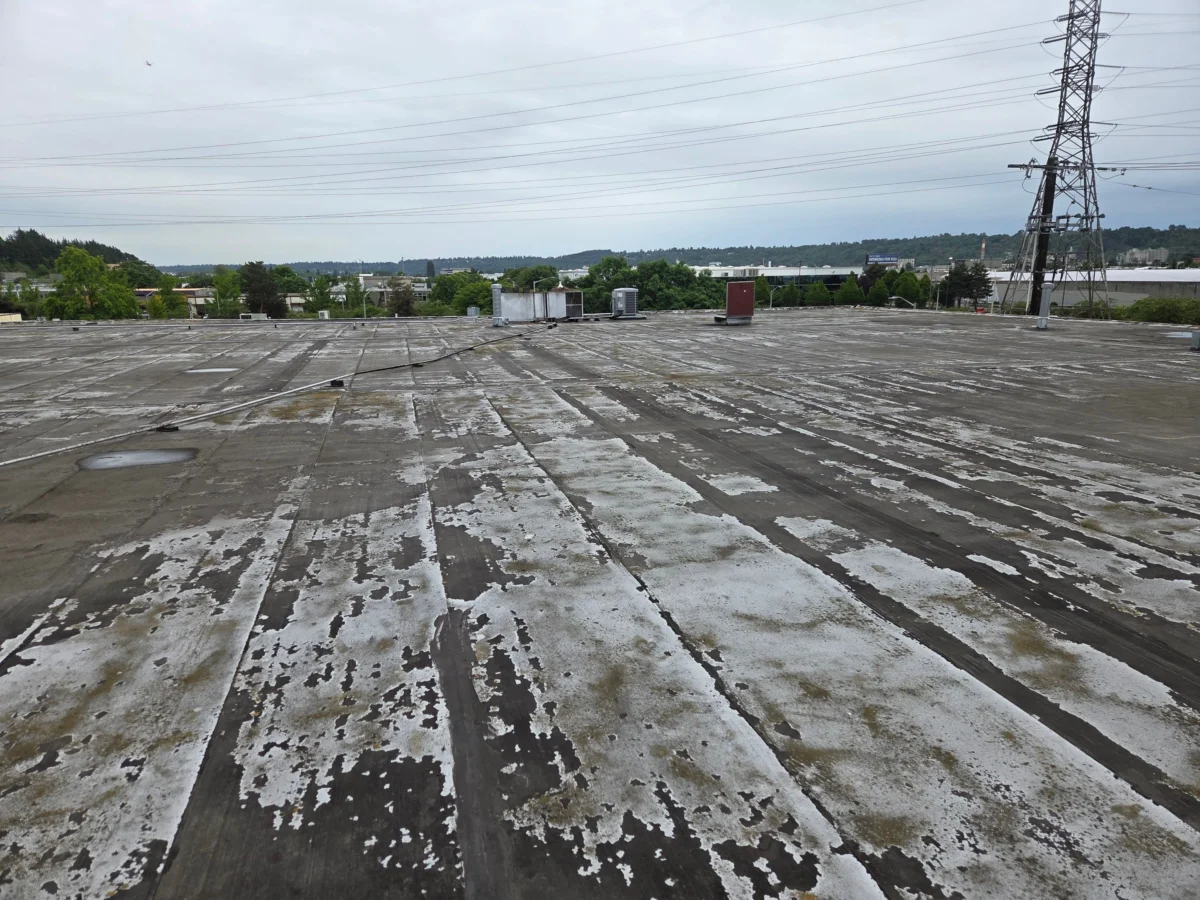
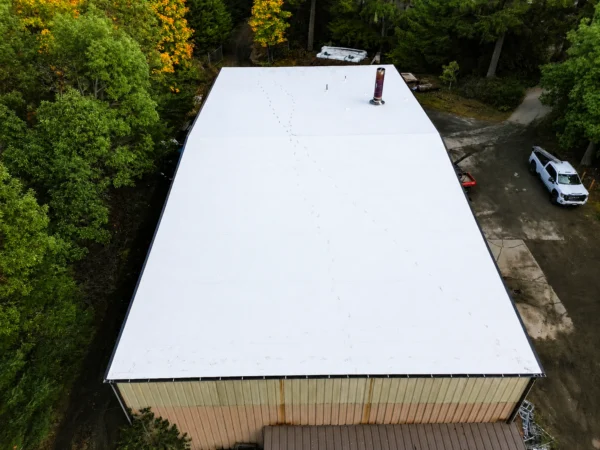
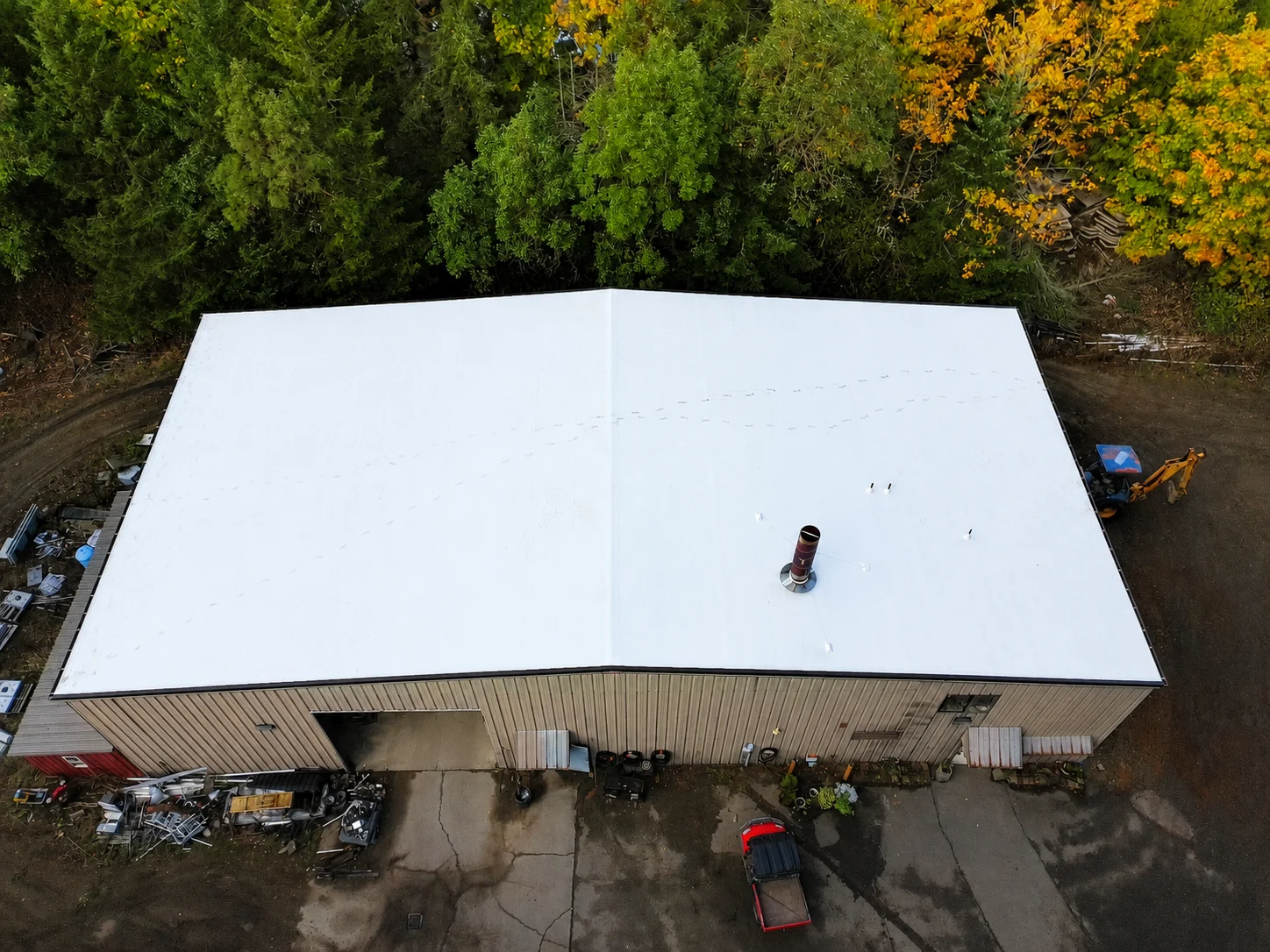
Roof retrofit upgrading aging standing-seam metal to a TPO system, no full tear-off needed.
View project →FALL SPECIAL Up to $5,000 off a new roof installation. Applies to new roof installs only. Get my free estimate

About Us
Seattle commercial roofing services with transparent pricing and fast project delivery. We handle permits, cleanup, and tenant notices. Call 206-504-1500.
Where to Find Us

Commercial Steep Slope Roofing in Seattle
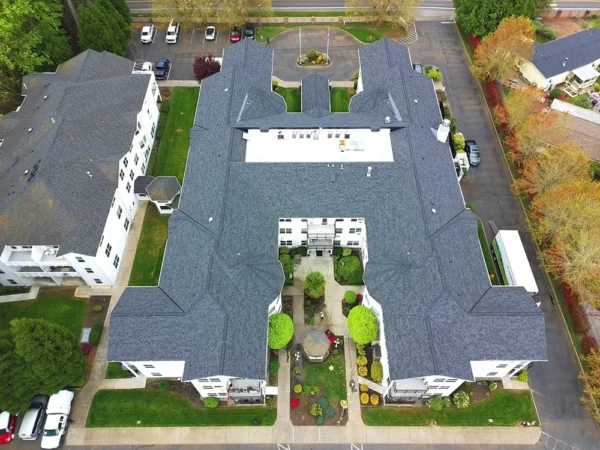
Washington Weather Shield provides steep slope roofing services for commercial and multi-family properties across Greater Seattle. We install metal and composition roofing on pitched roofs, single-slope sections, mansards, canopies, and sloped areas integrated with low-slope roofing systems.
A steep-slope roof can cover the entire building or appear as one part of a larger roof assembly. We commonly evaluate sloped commercial roofing on properties where pitched roof areas are part of the building design, drainage plan, or visible architecture.
Apartments, condos, townhomes, and HOA communities often use commercial composition roofing on pitched sections, with flat membrane areas elsewhere on the property.
A pitched roof commercial building may use visible sloped sections above storefronts, entries, mansards, or upper floors while lower roof areas remain flat or low-slope. On another pitched roof commercial building, the sloped system may cover the entire structure.
Steep-slope roofing can be used across the full roof or on prominent rooflines, entrance features, and additions where the roof contributes to the building’s exterior design.
These properties often have larger pitched roof planes, valleys, intersecting rooflines, and other details that require careful flashing and water-shedding design.
A single slope commercial roof can be a practical configuration over an addition, canopy, covered entry, or secondary building section.
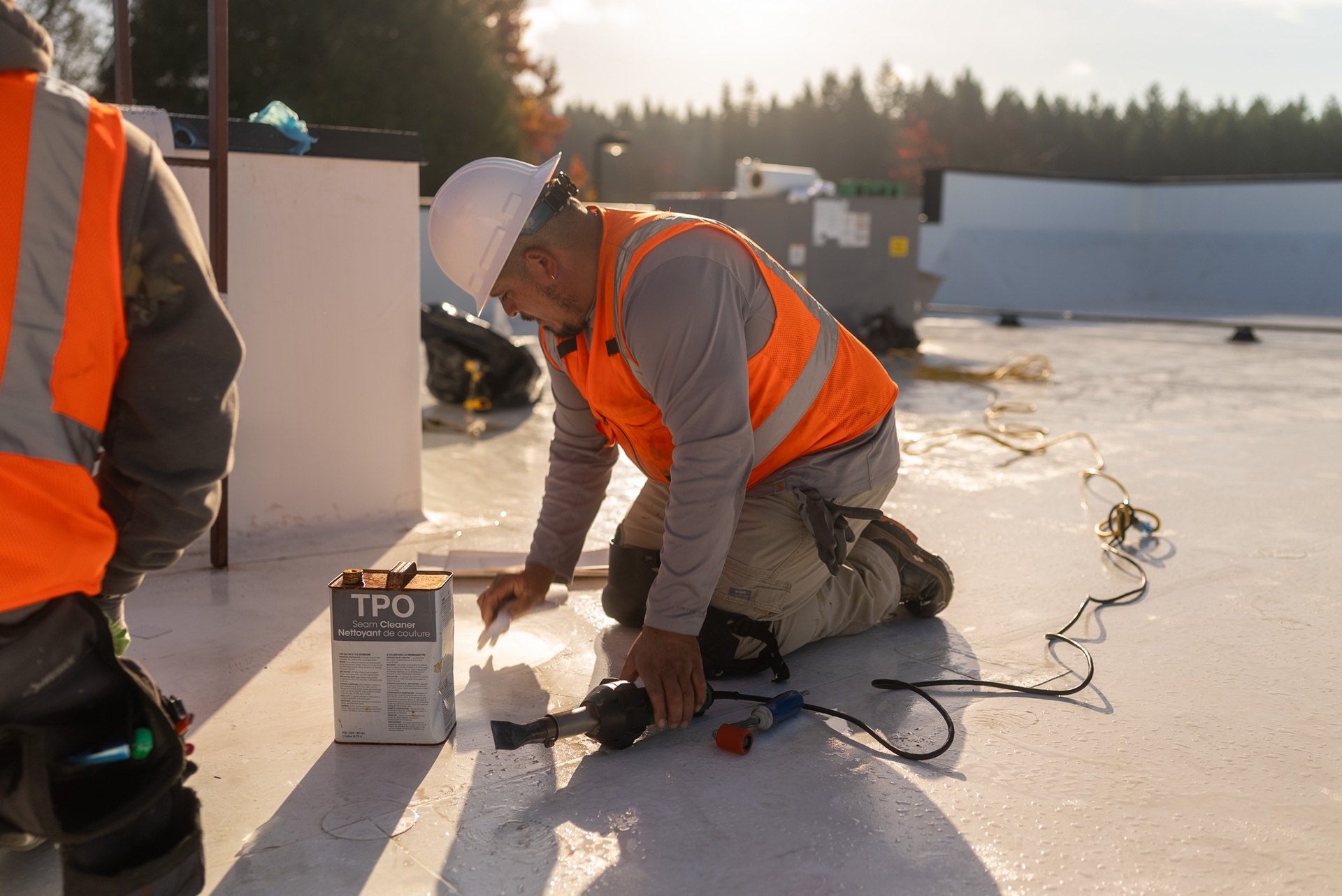
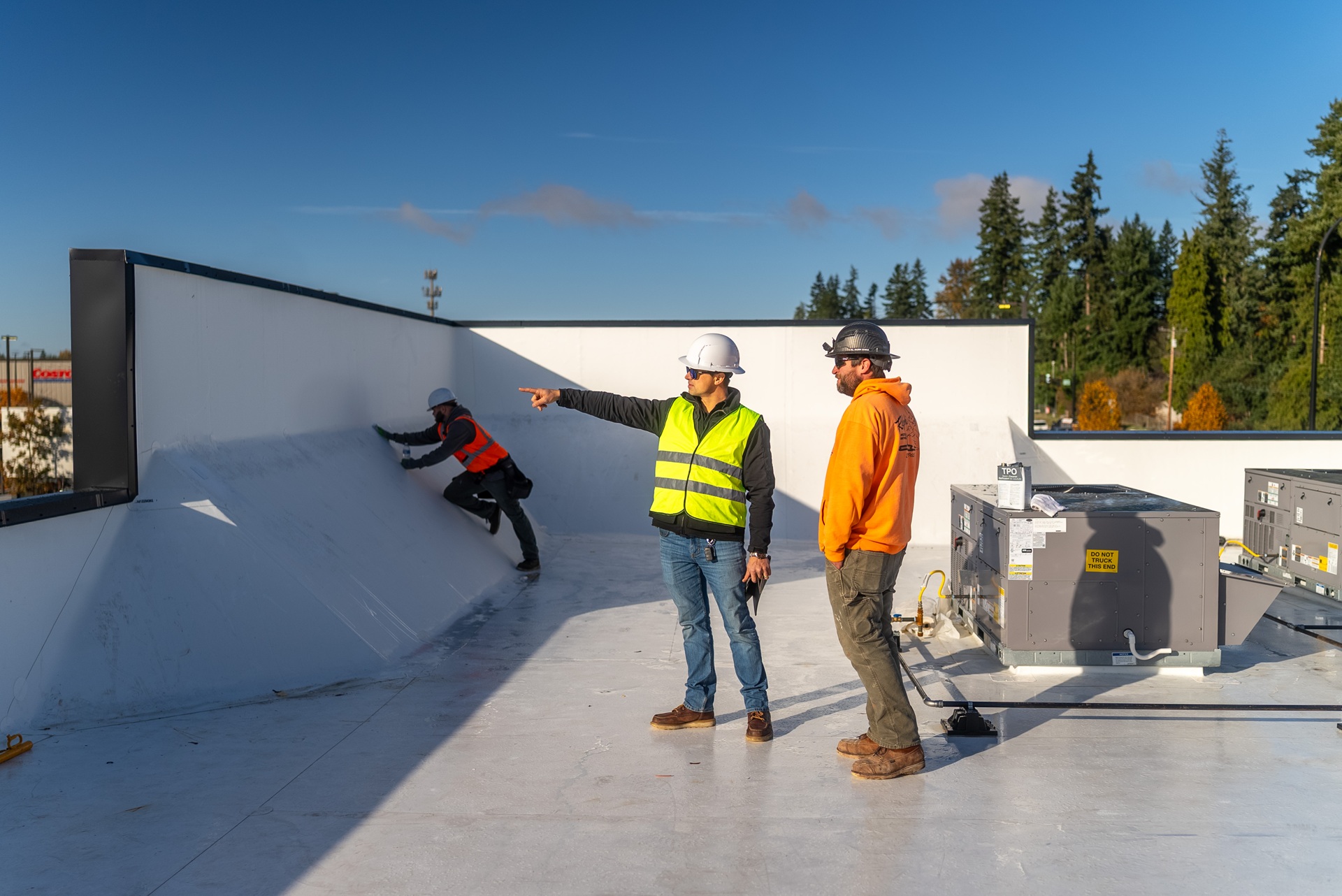
Many properties combine steep-slope commercial roofing with TPO, PVC, or another low-slope system. The connection between assemblies becomes part of the waterproofing plan, not a separate detail to address later.
Steep-slope roofing is one part of the larger roof lifecycle. Washington Weather Shield supports commercial properties with the same service umbrella used across our Greater Seattle roofing program.
Full replacement for roofs at the end of their service life.
Targeted repairs to address leaks, damage, and vulnerable roof areas.
Roofing for new buildings, additions, and major renovations.
A new engineered roof installed over the existing structure.
Scheduled care that catches issues early and extends roof life.
Fast response for active leaks and storm damage.
Routine roof cleaning to help maintain proper drainage and protect roofing systems.
On a steep slope roofing project, water flows toward valleys, eaves, gutters, and lower roof sections, making proper drainage and flashing critical. We evaluate these areas, along with walls, penetrations, ridges, and transitions between roofing materials, to ensure the system is designed to manage water effectively.
Access and staging also require additional planning.
A commercial metal roof steep-slope section may be located above entrances, sidewalks, parking areas, or occupied tenant spaces. We coordinate with property managers to plan material handling, site access, cleanup, and installation activities while minimizing disruptions to daily operations.
Projects involving both steep-slope and low-slope roofing systems require special attention where the two systems connect. When a steep-slope roof transitions into a low-slope membrane roof, proper integration is essential to managing water flow and preventing leaks. We evaluate these transitions to ensure both roofing systems function together as a complete assembly.
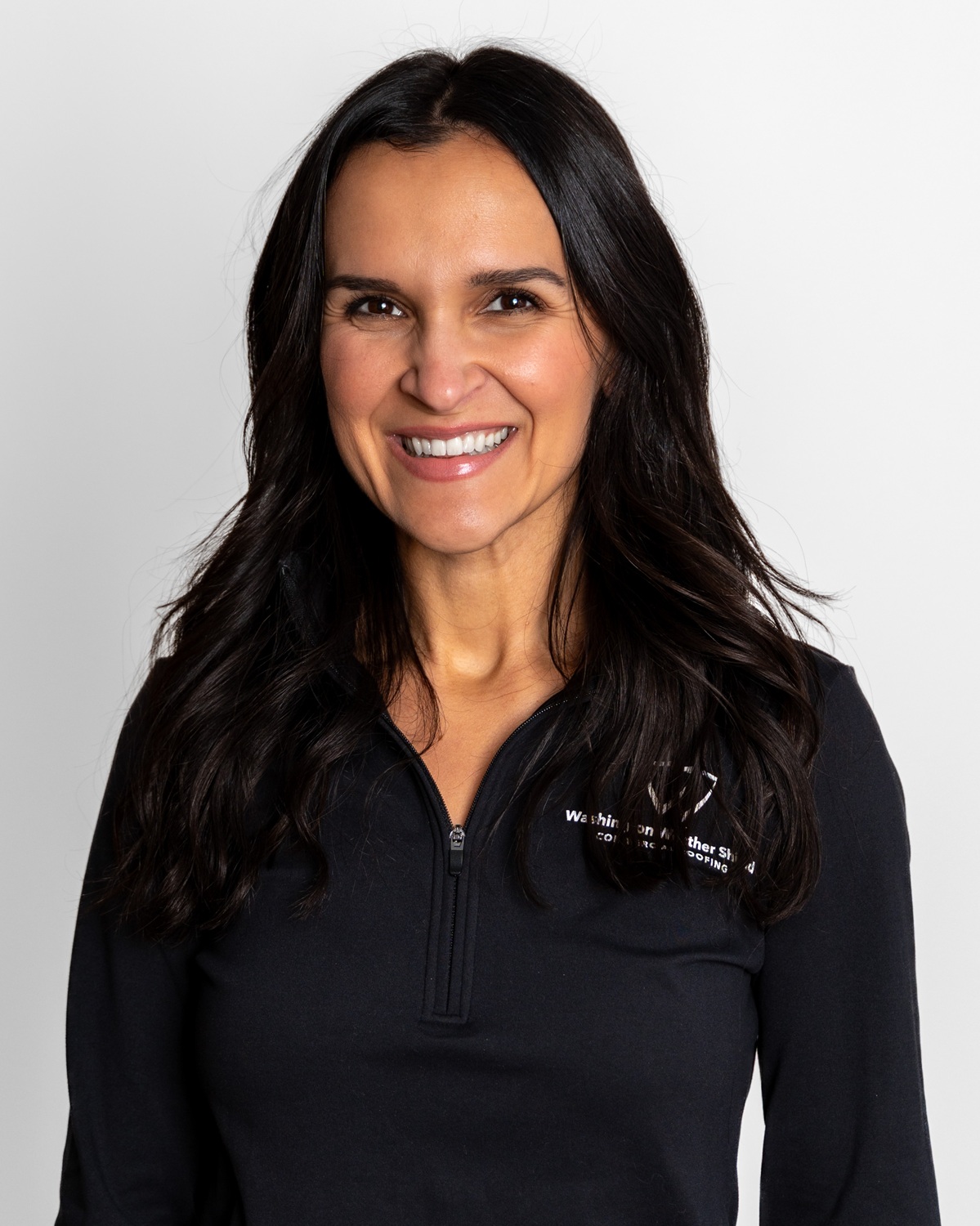
Rita Prokopets, Chief Operating Officer, Washington Weather Shield
Sloped commercial roofing isn’t the ideal solution for every building, but it can offer practical and architectural advantages depending on the property’s design, functionality, and intended use.
A steep-slope roof uses gravity to direct rainwater toward eaves, gutters, and downspouts, reducing reliance on internal drains and scuppers.
Pitched roof areas can enhance a building’s appearance and complement its overall design, particularly for offices, retail properties, churches, multifamily buildings, and mixed-use developments.
Commercial composition roofing and metal roofing are both options, depending on the building’s design, existing roof structure, maintenance requirements, and budget.
Steep-slope commercial roofing can be incorporated into visible perimeter sections or upper roof areas, while low-slope membrane systems protect larger roof sections.
A single slope commercial roof, fully pitched roof, canopy, or mansard can be designed to complement the building’s architecture and functional requirements.
Washington Weather Shield installs two primary material types for steep-slope roofing: commercial metal roofing and commercial composition roofing. The most appropriate system depends on the roof’s pitch, existing structure, surrounding conditions, exposure, and long-term maintenance needs.
Standing-seam metal roofing features raised seams and concealed fasteners, providing a clean, modern appearance. This commercial metal roof steep-slope option is commonly used on buildings where the roof is a prominent architectural feature. Each commercial metal roof steep-slope installation requires careful planning around panel layout, edges, penetrations, and transitions to ensure proper drainage and weather protection.
Get More Info
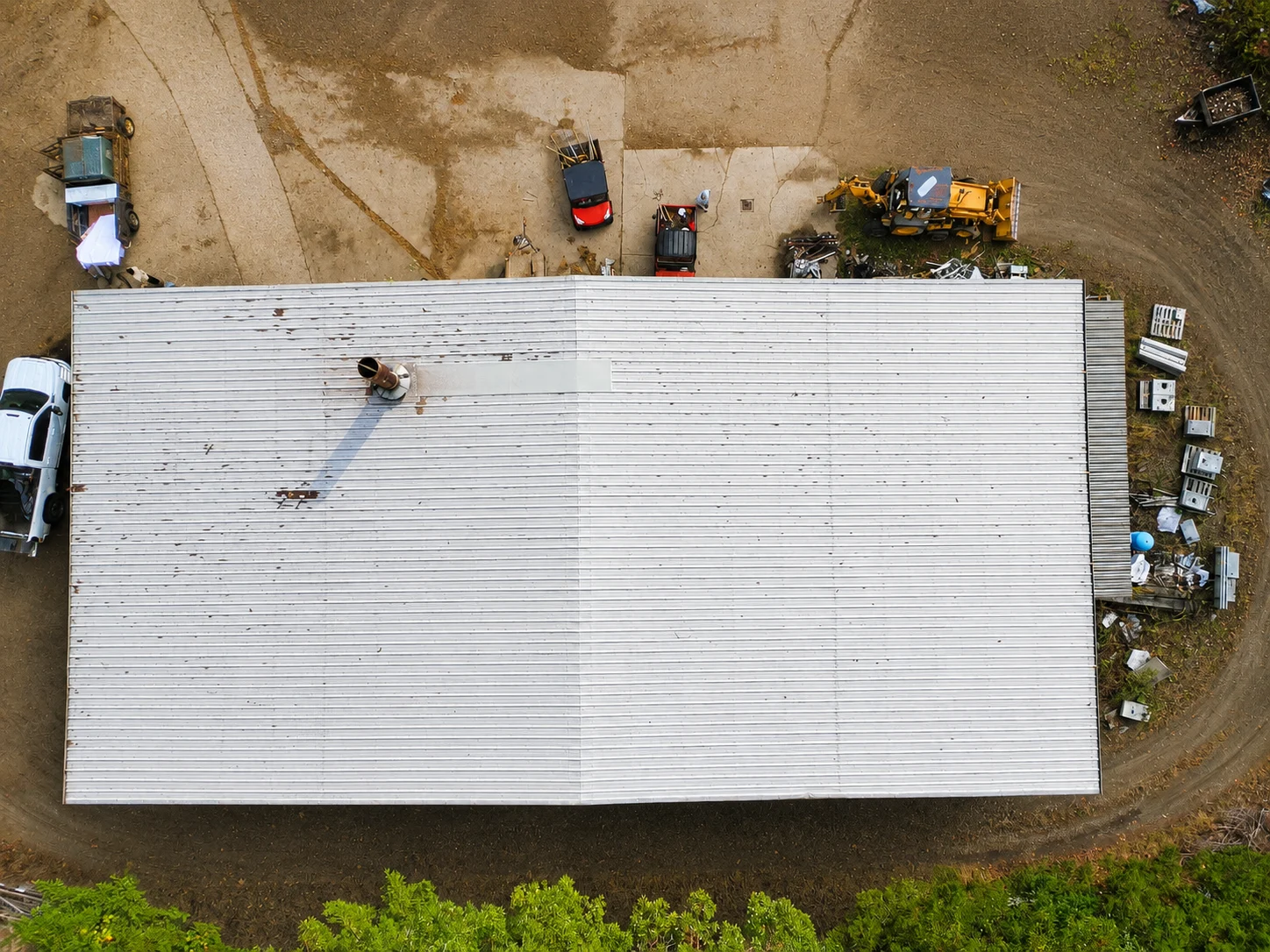
Exposed-fastener metal roofing uses panels secured with visible mechanical fasteners. These systems can be a practical option for commercial and industrial pitched roofs, depending on the roof's slope, design, and intended application. Proper installation, fastening, and ongoing maintenance are important to long-term performance.
Get More Info
Commercial composition roofing typically consists of architectural asphalt shingles reinforced with fiberglass mats. These systems are commonly used on suitable pitched roof sections of offices, multifamily properties, mixed-use buildings, and other commercial structures where composition shingles complement the overall building design.
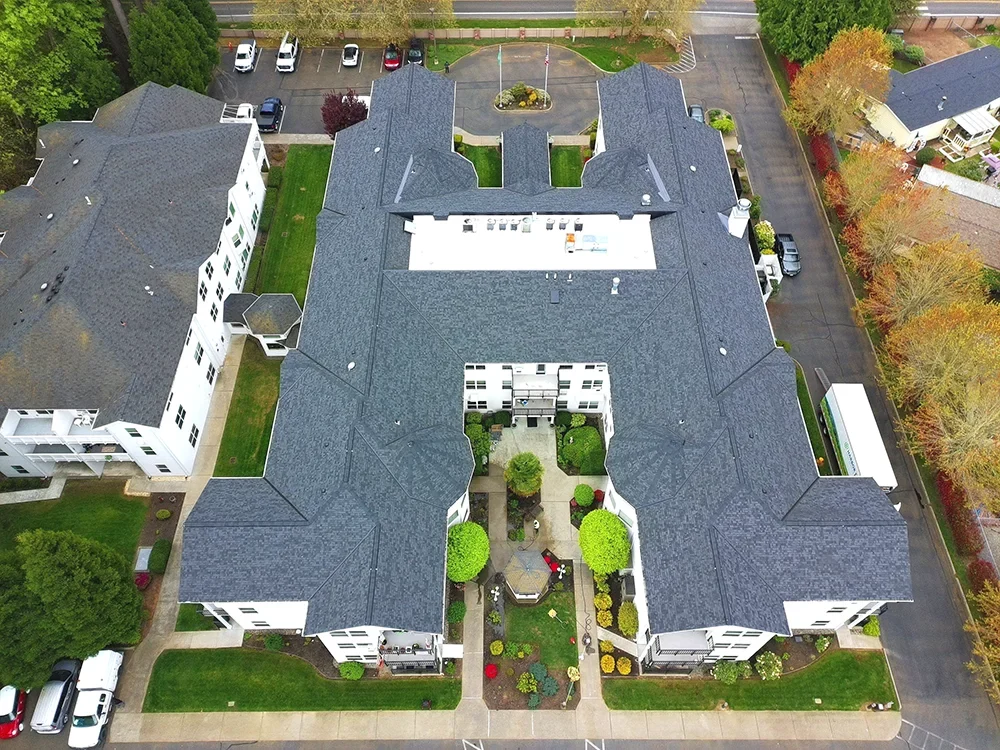
Each roofing material has specific requirements for underlayment, fastening, flashing, penetrations, edges, and transitions. We evaluate these factors alongside the building’s existing conditions before recommending the most appropriate system for a pitched roof commercial building.
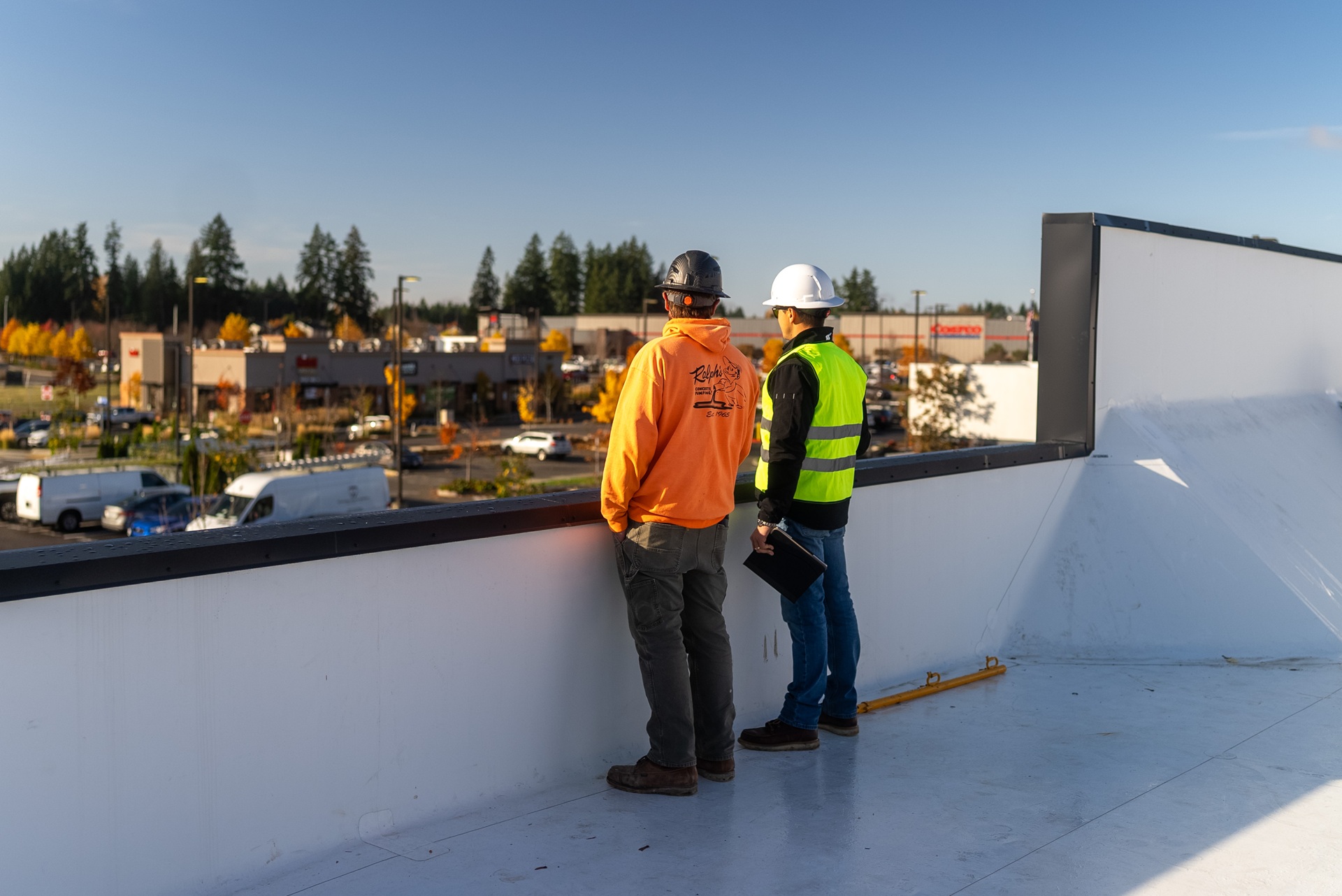
Our process begins with a thorough roof evaluation and a clearly defined scope of work. From initial assessment through installation and project closeout, we coordinate each phase with your property team to help minimize disruptions to building operations.
We review the steep-slope roof configuration, existing material, flashing, valleys, penetrations, gutters, visible deck conditions, and connections to adjacent roof areas. On a commercial metal roof steep-slope project, we also evaluate panel seams, fastening methods, and edge conditions that may affect the scope of work. Photos help document existing conditions and identify areas that may require further investigation.
You receive a written proposal with the recommended repair, replacement, or new installation scope, proposed material, and applicable warranty options. If your property combines steep-slope commercial roofing with a membrane roof, the connection between systems is included in the plan.
Our crew coordinates access and staging, protects work areas, manages daily cleanup, and keeps you updated through the project. Completed conditions are documented for closeout, warranty support, and future roof planning.
A sloped commercial roofing project can impact entrances, sidewalks, parking, tenant spaces, and daily operations. Our process is built around keeping the scope clear and the work controlled from the first inspection through closeout.
We coordinate work hours, access, tenant communication, and daily cleanup for occupied properties.
Project milestones, change orders, progress, and documentation stay visible throughout the work.
Washington Weather Shield holds GAF GoldElite Commercial Contractor status and current commercial manufacturer certifications, with ongoing system-specific training.
Walkways and common areas are protected, and daily cleanup is part of the project routine.
Portfolio-level support helps property managers and owners prioritize needs across multiple roofs and buildings.
Every one of our professional commercial roofing services uses manufacturer-approved membranes, coatings, and flashing details. That applies to all the types of commercial roofing we install: single-ply membranes, coatings, and metal.
A look at recent commercial roofs we’ve installed, replaced, and protected across Western Washington.

Roof retrofit upgrading aging standing-seam metal to a TPO system, no full tear-off needed.
View project →
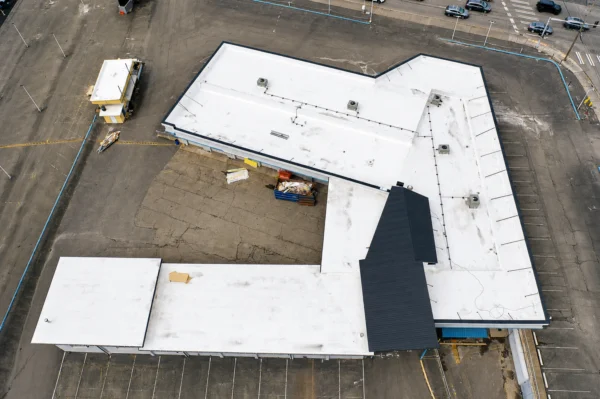
Full roof tear-off with asbestos abatement and complete replacement for an auto dealership.
View project →
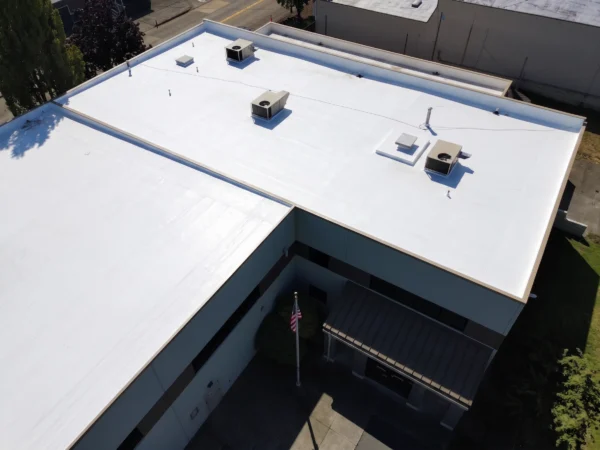
TPO overlay for a precision manufacturer of high-performance plastics and composite components.
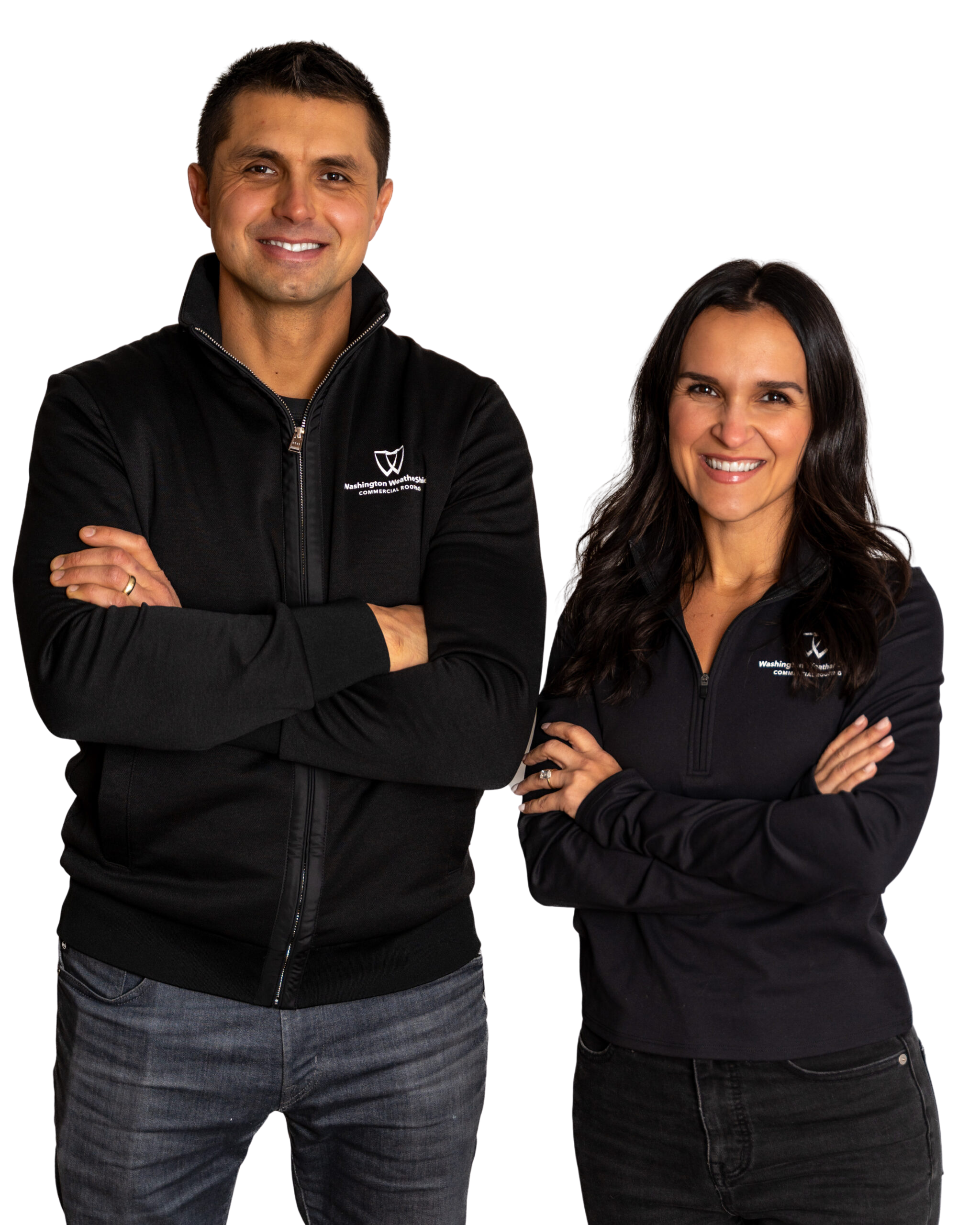
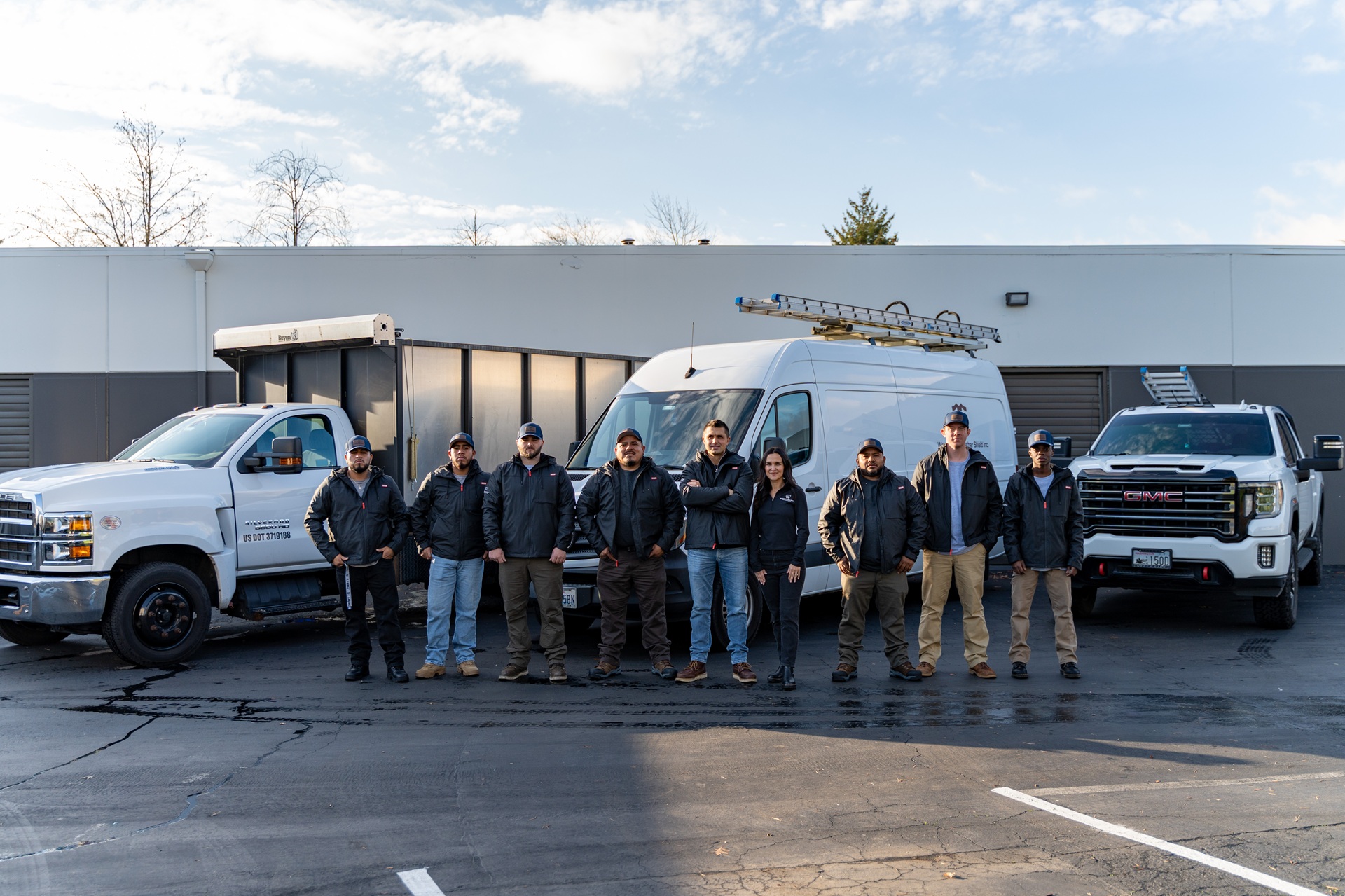
View project →Washington Weather Shield is a family-owned commercial roofing company based in Tukwila. Ivan and Rita Prokopets run the business and stay involved in projects, from the first site visit to the closeout walk.
A property manager reviewing a commercial roofing company wants to know two things: if the crew showed up when promised and if the roof remained dry. Read what owners and managers across the Greater Seattle Area say about both.
We are based in Tukwila and provide local commercial roofing services in 47 cities across King, Pierce, Snohomish, Thurston, Kitsap, Mason, Whatcom, Skagit, and Lewis counties. See our Seattle and Tukwila pages for city-specific detail, or tap a city on the map.
Steep-slope roofing refers to pitched roof systems designed to shed rainwater toward eaves, gutters, and lower roof areas. These systems commonly use materials such as metal panels or asphalt shingles, rather than the continuous membrane systems typically installed on flat and low-slope commercial roofs.
Flat and low-slope commercial roofs typically use continuous membrane systems that direct water toward drains or scuppers. Sloped commercial roofing uses pitched geometry and water-shedding materials to move water toward eaves and gutters. A pitched roof commercial building can also use both approaches, with membrane roofing on one section and a steep-slope roof on another.
Washington Weather Shield’s primary steep slope roofing options include commercial metal roofing and commercial composition roofing. Metal options include standing-seam and exposed-fastener panel systems. Commercial composition roofing uses architectural asphalt shingles on suitable pitched sections. The material recommendation depends on slope, roof geometry, deck condition, exposure, and adjoining systems.
Metal is one of the best options for steep-slope commercial roofing when the building geometry and project goals suit the selected panel system. A commercial metal roof steep-slope assembly still depends on correct attachment, flashing, penetrations, edges, and transition details, so the panel type is only one part of the specification.
There is no single service-life number for every steep-slope roof. Metal and commercial composition roofing systems have different planning horizons, and actual performance depends on the product, installation, exposure, roof complexity, maintenance, and repair history. We use the selected manufacturer’s system information and the building’s actual conditions when discussing expected service life.
Yes. Commercial buildings can feature fully pitched roofs, a single slope commercial roof, or sloped architectural sections combined with flat roofing. Offices, retail buildings, multifamily properties, churches, and mixed-use developments commonly incorporate sloped roofing depending on the building’s design.
Yes. Many commercial and multifamily properties incorporate both systems. For example, a building may use TPO or PVC membrane roofing over a large low-slope section and commercial composition roofing or metal panels on visible pitched sections. Properly designed transitions between the systems are essential for effective drainage and weather protection.
Price depends on roof area, material, tear-off requirements, roof pitch, deck condition, valleys and intersecting roof planes, flashing complexity, access and staging, gutters, penetrations, and transitions to adjacent systems. A simple single slope commercial roof generally scopes differently from a complex pitched roof commercial building with multiple roof planes.
Yes. Washington Weather Shield provides written proposals that identify the recommended system or repair approach, scope of work, project timeline, and available warranty options. For sloped commercial roofing connected to a membrane roof, the scope also addresses how the two systems will meet.
At Washington Weather Shield, all commercial roofing contracts must be signed prior to the start of the project. Our standard payment schedule is 50% upfront to order materials and secure your installation dates on our calendar, with the remaining 50% due upon completion of the project. For larger commercial roofing projects, progress payments may be requested during the duration of the work, depending on the size and scope.
Yes. Washington Weather Shield is a licensed commercial roofing contractor, and our crews receive ongoing training in installation methods, safety, and manufacturer requirements. For sloped roofing projects, we follow the specifications and installation standards required for the metal or composition system being installed.
At Washington Weather Shield, our commercial roofing crews complete ongoing hands-on training each year to stay current on the latest installation methods, safety standards, and manufacturer requirements. This includes training and education through top roofing manufacturers such as GAF (TPO & PVC), Versico (TPO & PVC), Duro-Last (PVC), and GE Enduris (Coatings), helping ensure every roof we install meets professional standards and warranty guidelines.
Yes. Washington Weather Shield installs manufacturer-backed commercial roofing systems. All of our roofing systems are built using trusted, manufacturer-approved materials and installation methods to support long-term performance and warranty eligibility.
A qualified commercial roofer should have proven experience with commercial steep-slope, flat, and low-slope roofing, proper licensing and insurance, strong safety practices, and the ability to provide detailed scopes, references, and warranty options. At Washington Weather Shield, we meet these standards through our commercial roofing expertise, manufacturer certifications, and our commitment to professional installation methods and long-term roof performance.
Our articles cover the questions we hear most from property managers and owners: how to choose a contractor, what an inspection covers, and what to expect during an install. Browse the latest, or visit the full FAQ page and project gallery.

A tenant calls about a stain spreading across a ceiling tile: the first visible sign of a leaking roof. The natural assumption is that the problem is directly above it. On a low-slope commercial…
Read the article →Tell us whether your property has metal, commercial composition roofing, a single slope commercial roof, or a mixed flat-and-pitched assembly. We will inspect the roof, document the conditions, and provide a written scope for the next step. Washington Weather Shield provides steep slope roofing across Greater Seattle for commercial and multi-family properties.