FALL SPECIAL Up to $5,000 off a new roof installation. Applies to new roof installs only. Get my free estimate

Multi-Family Roofing

Multi-Family Roofing for Greater Seattle Apartments, Condos, and HOAs

Roofing for Buildings People Live In

Washington Weather Shield handles multi-family roofing on apartment complexes, condo buildings, and HOA communities across the Greater Seattle Area. Before work begins, we coordinate closely with property management on scheduling, resident communication, site access, and project logistics to help minimize disruption. Throughout the project, we prioritize keeping the property clean, safe, and accessible for residents.

5.0 Google · 47 reviews
Up to 30-Year Warranty
Tenant-First Install
FALL SPECIAL
Up to $5,000 Towards a Roof Replacement
*Terms apply. Offer expires 12/31/26

Request a Free Estimate

Same-day callback Mon–Fri. We’ll inspect, scope, and quote in writing.

Multi-Family Buildings We Roof

From Four-Plexes to High-Rise

Six building types cover almost everything we’re called out to. Some projects come from regional property managers, others from individual building owners, and some from boards looking for an experienced HOA roofing contractor.

Apartment complexes

Condominium buildings

HOA and condo association communities

Townhome communities

Senior and assisted living communities

Student housing

What Makes Apartment Building Roofing Different

Why We Treat It as Its Own Category

People ask why we treat apartment building roofing as its own category when the membrane may be the same TPO we’d put on a warehouse. The difference is everything happening around the roof.

The building remains occupied throughout the project. Residents may be working from home, sleeping during the day, caring for children, or simply trying to go about their normal routine while work is happening overhead. That is why we coordinate closely with property management on scheduling, resident communication, site access, and keeping entrances and common areas safe and accessible throughout the project.

The decision-making is different too. On a rental property, we may be working with a property manager who needs a clear scope to present to the owner. On a condo or HOA property, a board may need additional time to review the proposal, evaluate reserve funding, and obtain approval before moving forward.

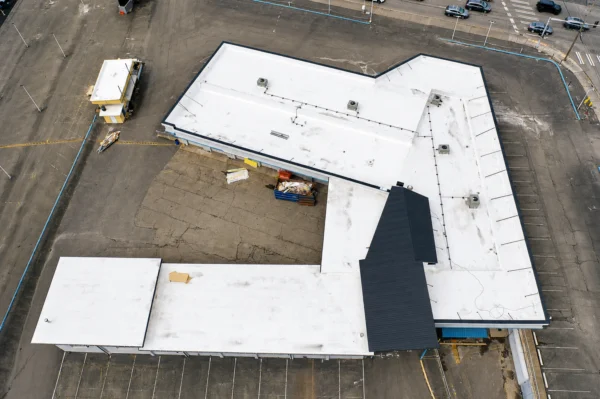
Multi-family roofs can also be more complex than they look. They often have dozens of plumbing vents, exhausts, condensers, and older penetrations, plus transitions between flat membrane sections and pitched roofing. Those transition points are where we find many leaks.

And when a leak happens, it affects more than the roof. Water can damage ceilings, drywall, and finishes inside someone’s home, and may even force a resident to relocate temporarily. That is why we would rather catch a problem during an inspection than respond to it after it reaches a unit.

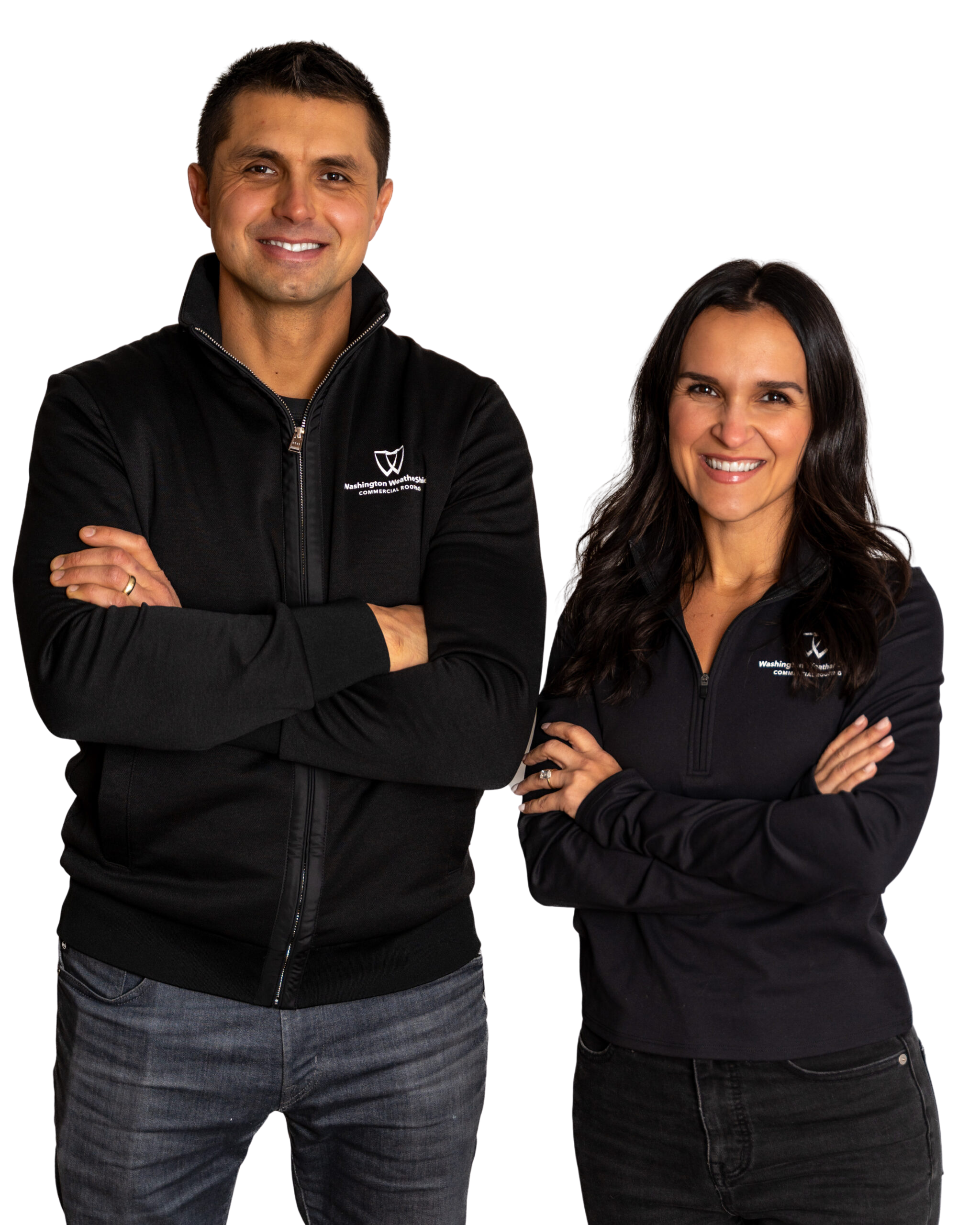
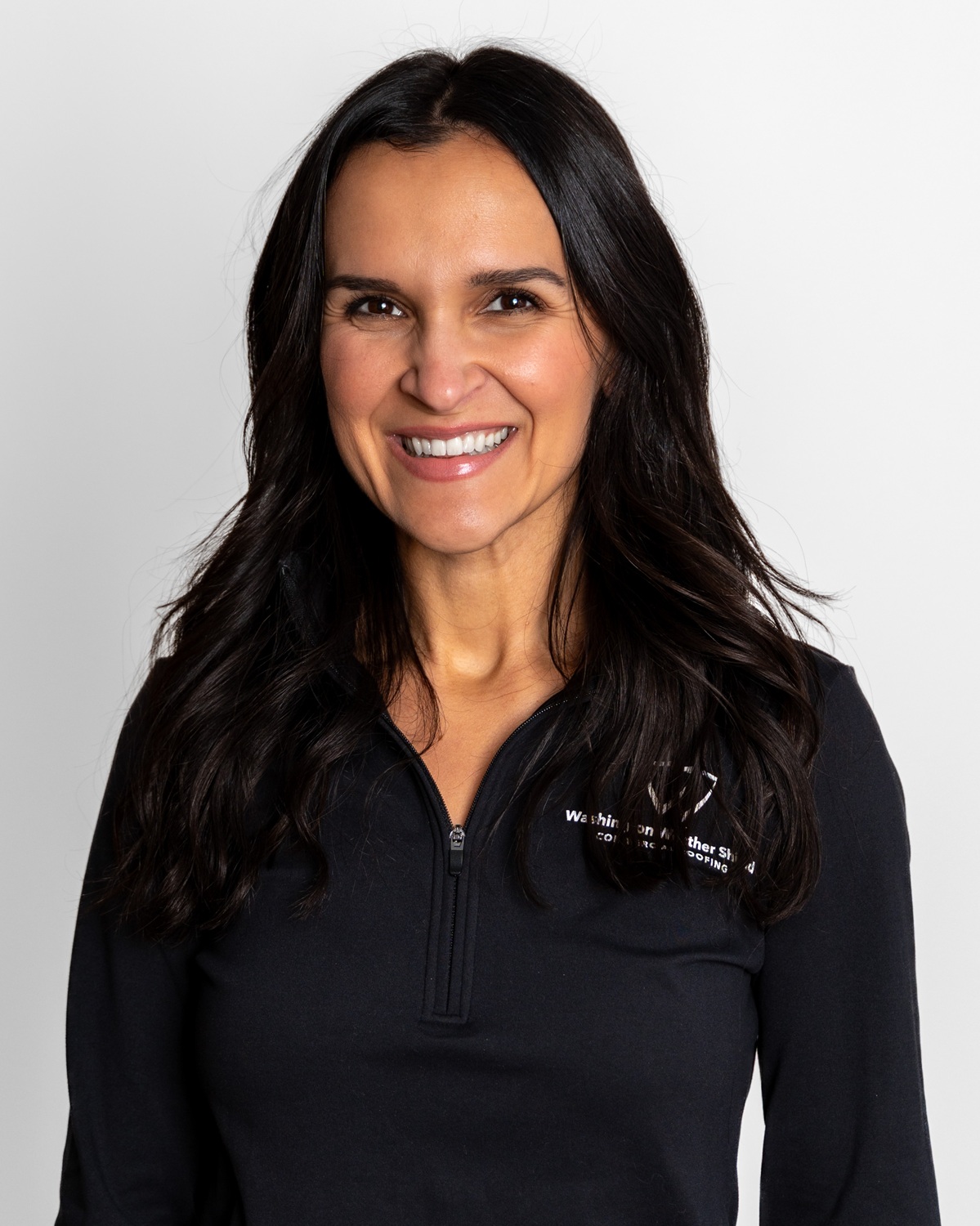
Rita Prokopets, Chief Operating Officer, Washington Weather Shield

Ivan and Rita Prokopets, owners of Washington Weather Shield

Multi-Family Roofing in the Greater Seattle Area, By the Numbers

Three Figures That Shape Every Project on This Property Type
331,000

King County homes sit in buildings of five or more units

On this property type a roof problem is a housing problem, which is why these calls escalate faster than anything else we work on.

Source: U.S. Census Bureau American Community Survey, compiled in the Puget Sound Regional Council Regional Housing Needs Assessment, Figure 33.

30 years

Washington reserve studies include a 30-year projection period

That long planning horizon matters because a roof is often one of an association’s largest future capital expenses.

Source: RCW 64.90.550, Washington Uniform Common Interest Ownership Act.

13,030 of 15,220

new King County homes built across 2020 and 2021 were multi-family

The county’s newest roof inventory is almost entirely low-slope membrane sitting over occupied housing.

Source: Washington Office of Financial Management April 1 estimates, via King County Long Range Planning.

Roughly one in three homes in King County sits under a roof that an owner or an association manages, and most of those roofs are flat. That is the range our commercial roofing for apartments has to cover, from a single 12-unit walk-up to a portfolio of towers.

Roof Systems for Multi-Unit Buildings

The Systems We Install on Occupied Residential Buildings

Most multi-family projects use one of these systems, and some use two or more because flat and pitched sections often require different roofing solutions.

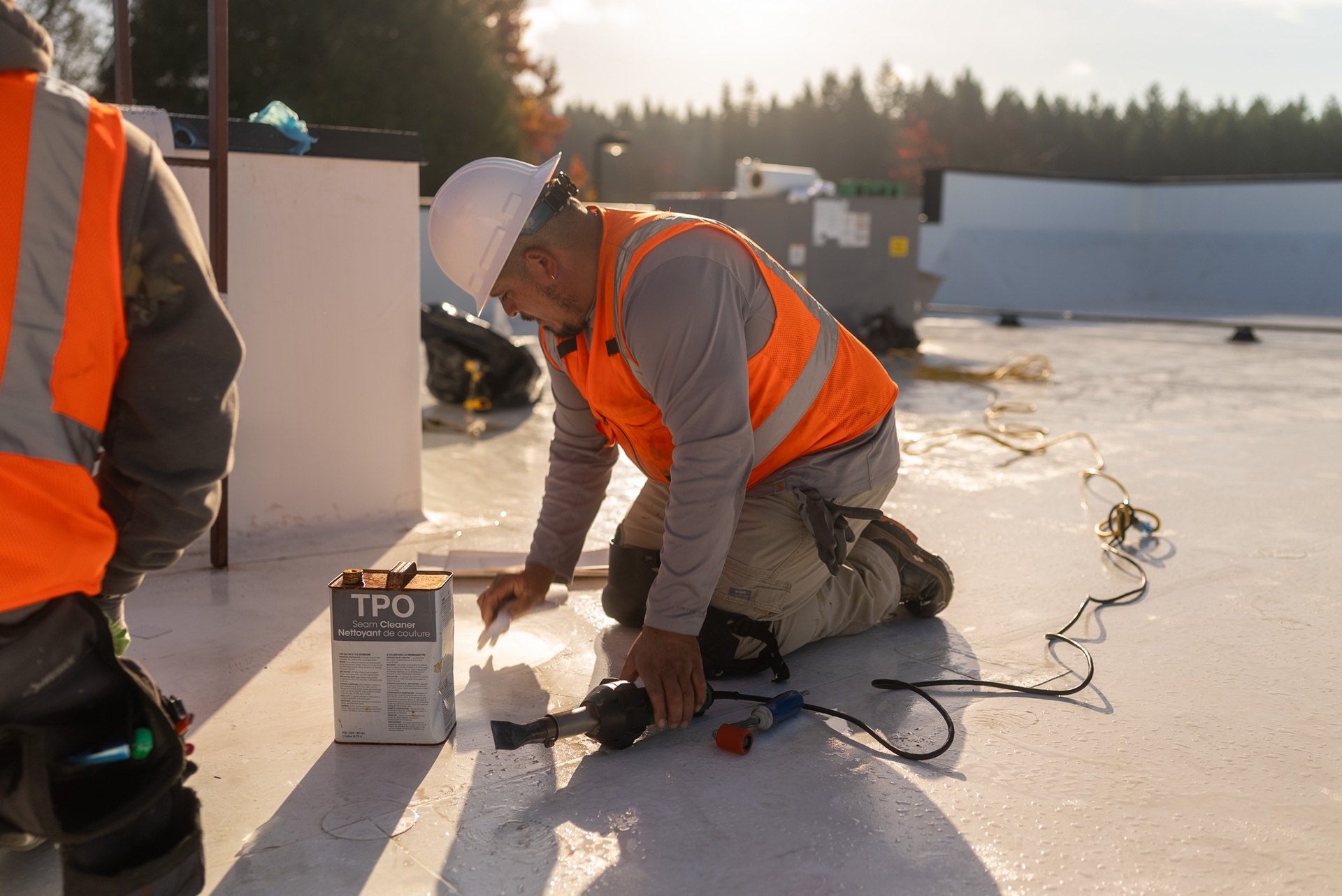
TPO Membrane

Best suited for large flat and low-slope roofs where reflectivity and cost both matter.

Typical service life: 20 to 30 years.

Get More Info
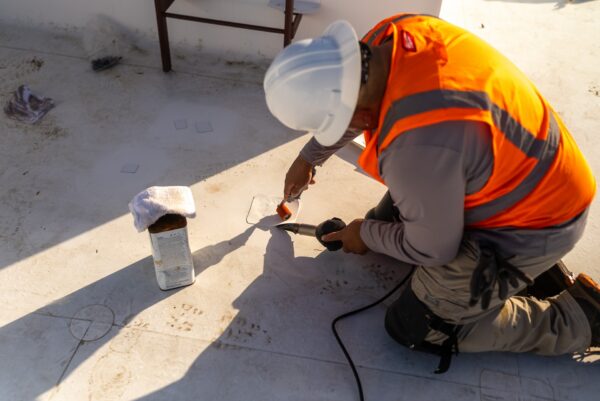
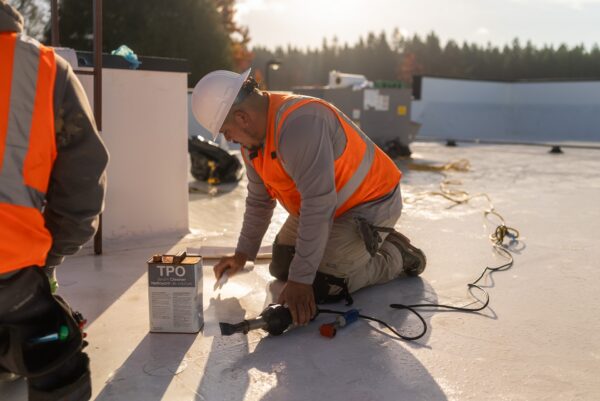
Washington Weather Shield roofer heat-welding a TPO membrane seam on a flat commercial roof

PVC Membrane

Best suited for roofs with heavy foot traffic, rooftop decks, or exhaust from ground-floor kitchens.

Typical service life: 20 to 30 years.

Get More Info
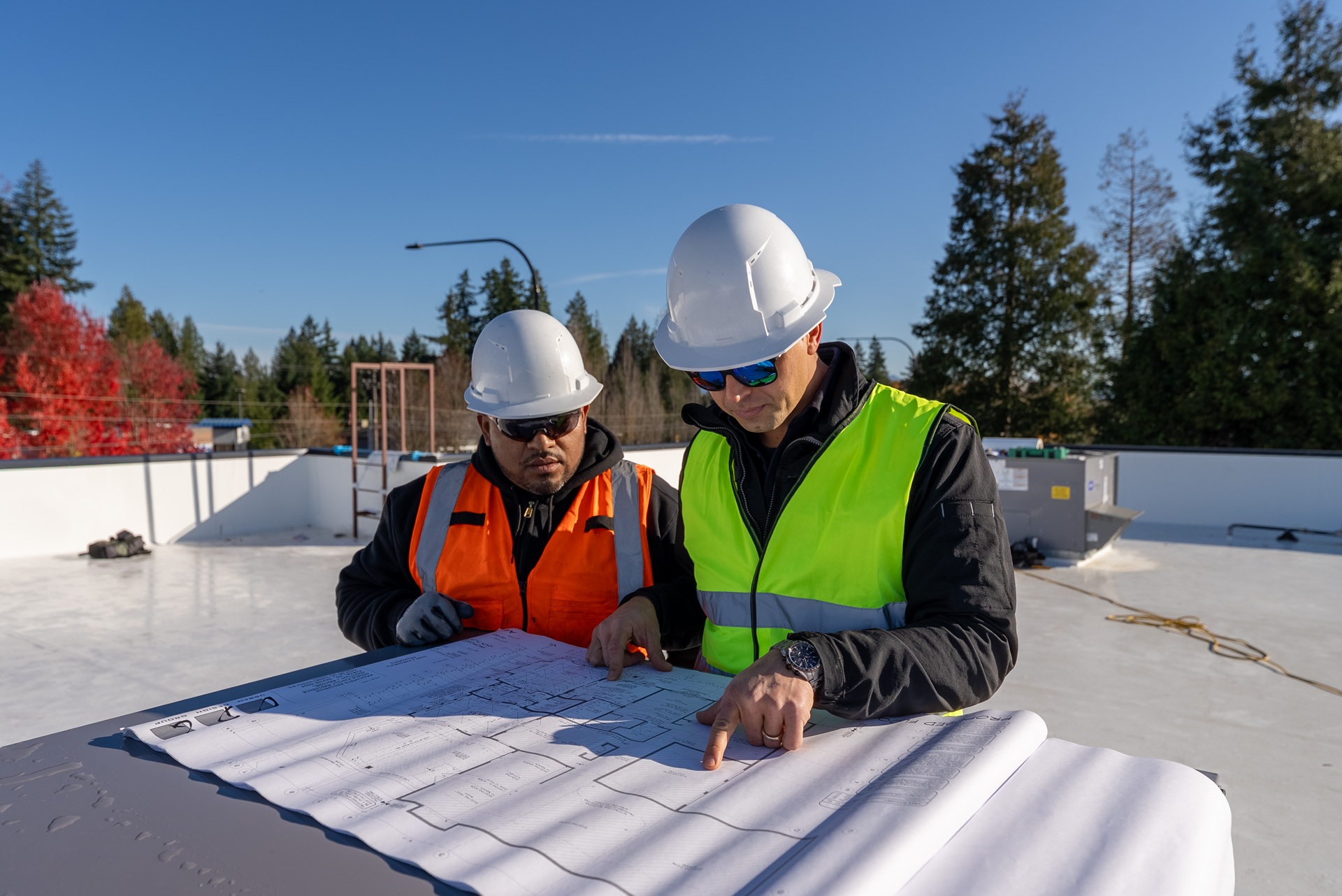
Two Washington Weather Shield team members reviewing building plans on a commercial rooftop

Silicone Roof Coatings

Best suited for sound roofs with dry insulation, where a board needs to defer a full replacement.

Typical service life: 10 to 20 years of added service, with warranties to 20 years.

Get More Info
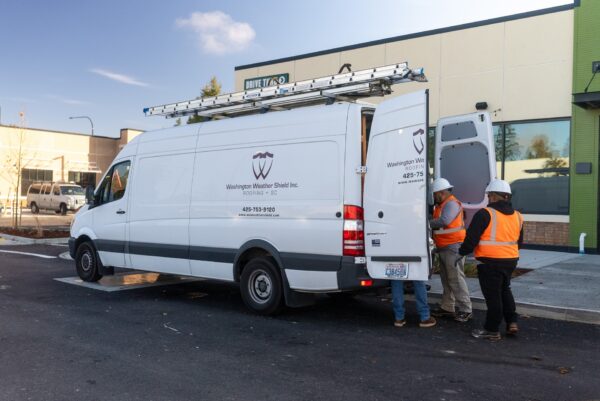
Washington Weather Shield crew unloading tools and materials from a service van at a commercial job site

Standing-Seam Metal

Best suited for pitched sections, entry canopies, and mansard faces.

Typical service life: 30 to 40 years.

Get More Info
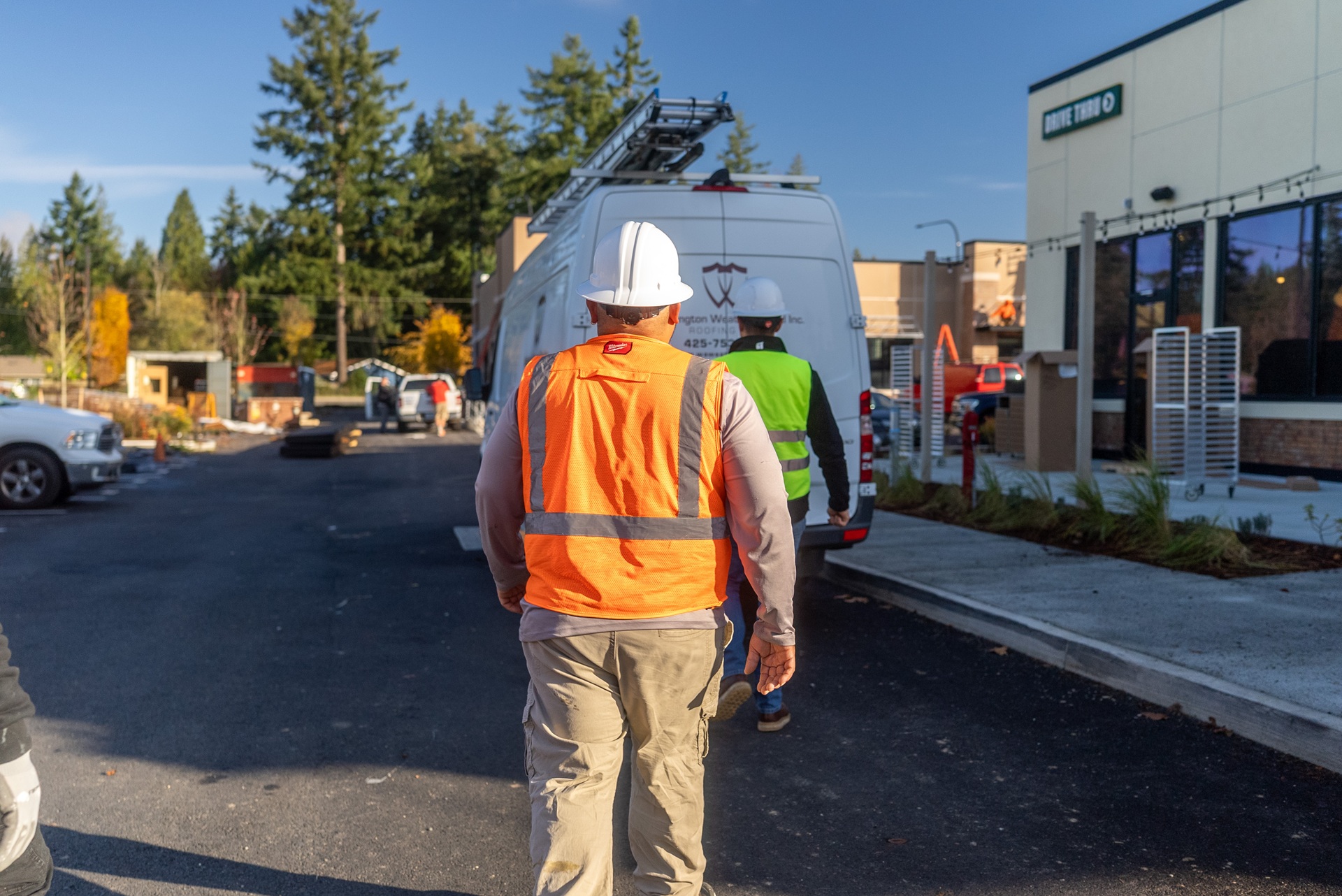
Washington Weather Shield crew walking to their service van at a commercial job site

EPDM Membrane

Best suited for older low-slope roofs and buildings where a darker surface suits the heating load.

Typical service life: 20 to 35 years.

Roofing crew carrying membrane rolls across the parking lot of a commercial building under construction

Roof Problems We See on Apartment and Condo Buildings

What Residents Report, and What It Could Mean
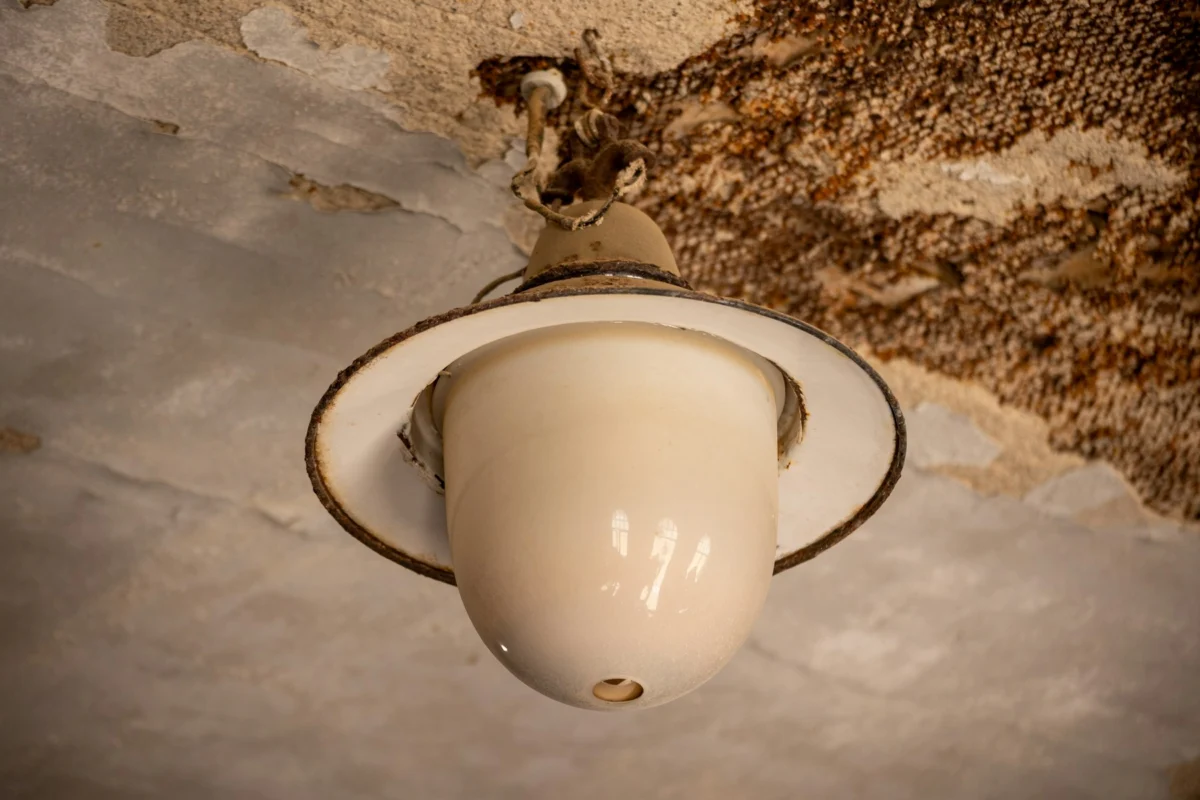
Water staining spreading across an interior ceiling around a light fixture
Commercial roof and site inspection

Ceiling staining in a top-floor unit

The source may not be directly above the stain. Water can travel along the roof deck, insulation, framing, or other components before becoming visible inside, so the entry point may be some distance away.

Leaks that only show up in heavy, sustained rain

This can point to drainage issues, such as blocked scuppers or drains that allow water to pond. On a flat roof apartment building, prolonged ponding can expose vulnerable seams, flashing, or penetrations to water for extended periods, although the exact source still needs to be confirmed through inspection.

Water appearing where a flat roof meets a pitched section

Transitions between different roofing systems are common areas for leaks. These details require careful flashing and waterproofing, and movement between the different roof assemblies can make them particularly vulnerable over time.

Recurring stains around bathroom and kitchen ceilings

Roof vents and exhaust penetrations are some of the first areas we inspect. Failed flashing, sealants, or penetration details can allow water into the roof assembly, although the source still needs to be confirmed through inspection.

Interior humidity, musty smells, or mold complaints with no visible drip

These can be signs of concealed moisture, but they don’t necessarily mean the roof is the source. If roof moisture is suspected, moisture testing and/or investigative openings can help determine whether insulation is wet and how far the affected area extends.

Granules in the gutters and downspouts

On shingle roof sections, some granule loss is normal, but excessive granule loss can indicate an aging or deteriorating shingle surface. The pitched portions of a multi-family property may therefore reach the end of their service life at a different time than the flat-roof sections.

Our Roofing Services for Multi-Family Buildings

Complete Roofing Care for Buildings That Stay Occupied

Our multi-family roofing services cover every stage of a roof’s life, from initial inspections and condition reports to ongoing maintenance, repairs, restoration, and eventual replacement.

Roofer sealing a membrane seam along the parapet wall of a white commercial flat roof

Full replacement for roofs at the end of their service life.

Roofer heat-welding a membrane detail on a commercial flat roof

Targeted fixes that stop active leaks and prevent the next one.

Washington Weather Shield roofer heat-welding a TPO membrane seam on a flat commercial roof

Roofing for new buildings, additions, and major renovations.

Washington Weather Shield commercial roof tear-off in Puyallup

Commercial Roof Retrofit

A new engineered roof installed over the existing structure.

Washington Weather Shield project manager directing a crew coating a rooftop parapet wall

Scheduled care that catches issues early and extends roof life.

Washington Weather Shield service van parked at a commercial job site in Washington

Fast response for active leaks and storm damage.

TPO commercial roof replacement at Haven of Rest, Gig Harbor WA

Debris and drain clearing that protects drainage and membrane life.

How We Work on Occupied Apartment and Condo Buildings

Simple Steps. Clear Expectations.

The process holds whether we’re re-roofing one four-plex or phasing six buildings in a complex. What changes on this property type is the communication, because every work day happens above somebody’s home.

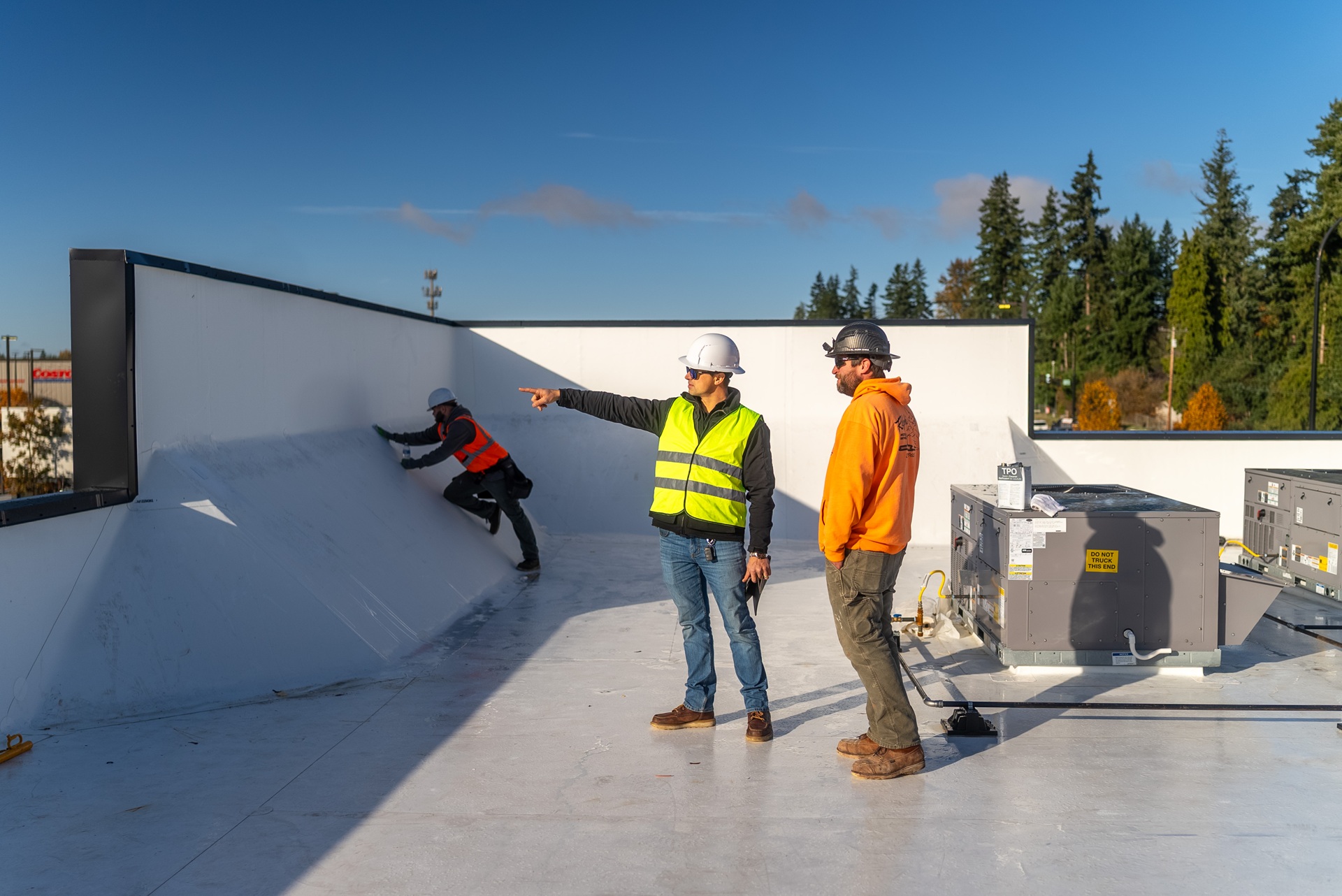
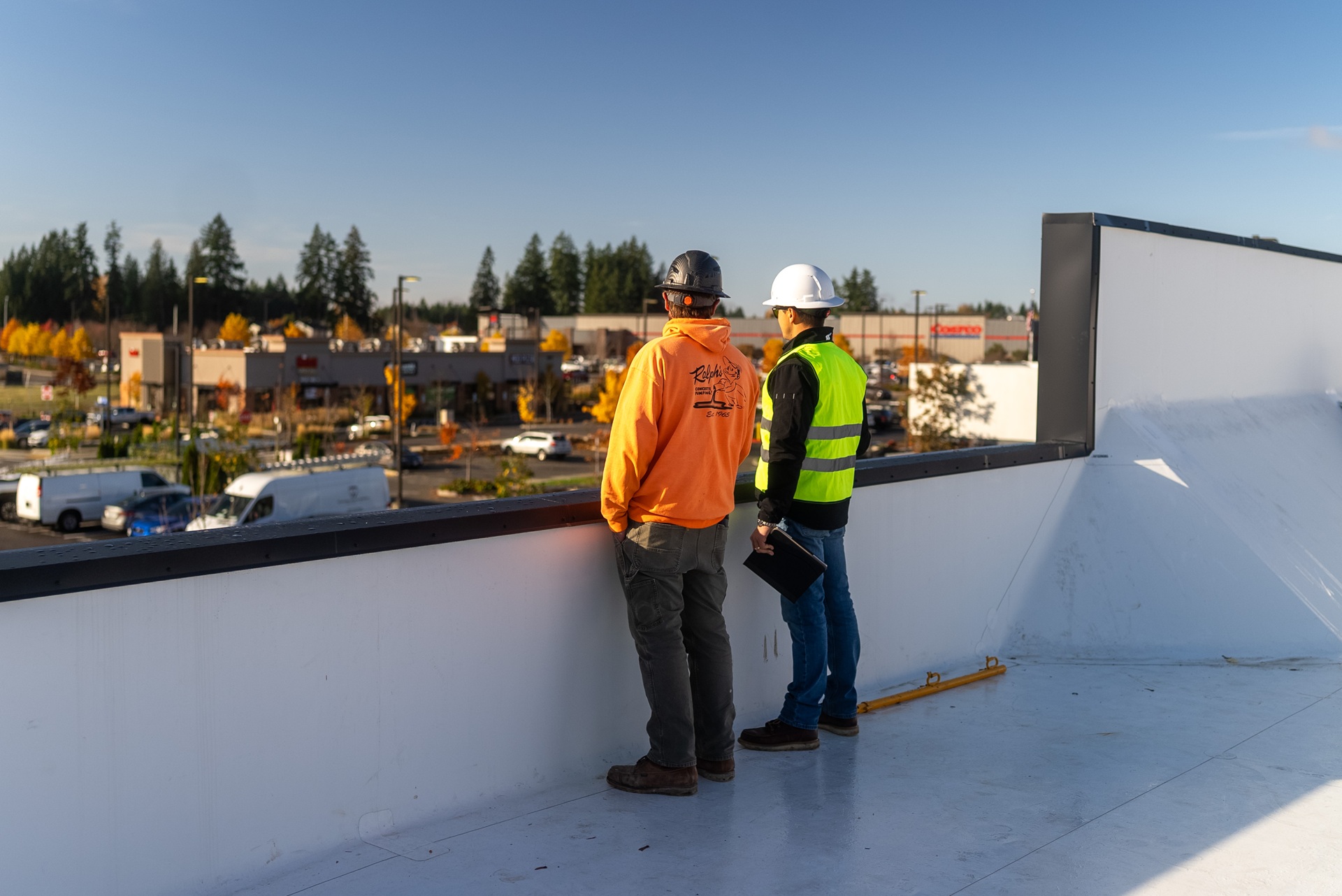
Washington Weather Shield project manager and crew member looking out over a completed flat roof

Step 1: Schedule your free estimate

Choose a time that works for you, and you do not need to be on site. We complete a roof evaluation, photograph the conditions, and log what we see. Then we note the access constraints specific to this building type: resident parking, play areas, and which entries have to stay open.

Step 2: Approve your project plan and timeline

You receive a written proposal with scope of work, system recommendation, pricing, and warranty options. It is written to be forwarded, so a manager can hand it straight to an owner. A board can put it in front of the membership without translating it first. Tell us your meeting date and we’ll build the timeline around it.

Step 3: Roofing installation with daily coordination

Before work begins, we coordinate with the property owner, HOA, or property manager to understand their requirements for resident communication, work hours, access, and other site-specific needs. During installation, we work within those guidelines, keep work areas clean and accessible, and provide project documentation as needed. Before-and-after photos can also be provided for owner records, warranty documentation, and future planning.

Why Owners and Managers Choose Our Multi-Family Roofing Company

Fewer Complaints, Fewer Callbacks, Fewer Surprises

Commercial roofing property managers tend to have the same complaint: the crew showed up whenever it suited them and the manager absorbed the tenant calls. These five commitments exist to keep that off your desk.

Zero Emergency Callbacks This Year

If a roof we installed leaks, we are on site within 24 hours. No charge to you.

Tenant-First Install Program

Quiet hours where you need them, daily cleanup, and written tenant notices before we start. Most occupants will not know we are there.

On-Time, On-Budget Scorecard

Milestones, change orders, and progress photos in one place. We start when promised and finish as bid.

Certified Crews, Modern Systems

GAF GoldElite, Versico, Duro-Last, and GE Enduris certified crews installing systems with warranties of 20 years or more.

Portfolio Care for PMs & Owners

Free roof audits, three-year capital planning, and priority scheduling across every building you manage.

Permits, Codes, and Compliance for Multi-Unit Roofing

What the Paperwork Looks Like on a Residential Building Under Commercial Code

Multi-family buildings sit on the commercial side of the building code, and that catches owners out. Three things follow from it.

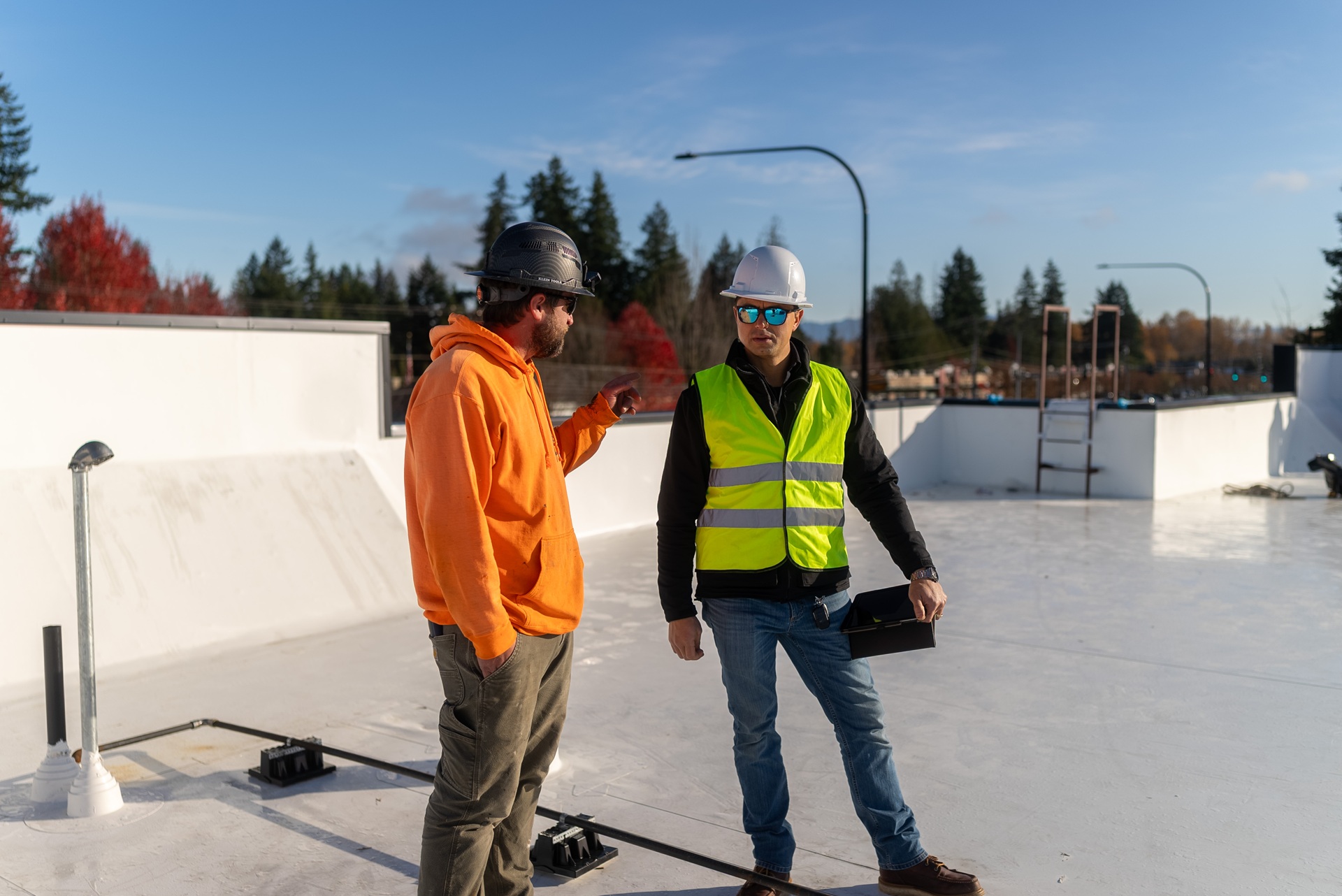
A roofing contractor and supervisor talking on a completed white commercial flat roof
01

Your building is under commercial code, not residential

Washington’s Residential Code generally applies to detached one- and two-family dwellings and qualifying townhouses. Larger multi-family buildings are generally governed by the Washington State Building Code provisions based on their occupancy and construction type. That means permitting, inspections, and roofing requirements can differ from those for a single-family home. The State Building Code Council publishes the applicable codes and Washington amendments.

02

Re-roof permits and insulation requirements vary by jurisdiction

In Seattle, a re-roof permit is typically required depending on the scope of work, including the amount being repaired and whether roof covering, sheathing, or insulation is being replaced. Other cities and jurisdictions throughout the Greater Seattle Area have their own permitting requirements, so we verify the requirements for each project based on its location and scope.

Re-roofing can also trigger current energy-code requirements, particularly when existing insulation or portions of the roof assembly are exposed or replaced. We account for known code and insulation requirements when preparing the proposal, while any unforeseen conditions discovered after tear-off are addressed separately.

03

Additional requirements for Seattle rental properties

Seattle rental properties have additional requirements under the city’s Rental Registration and Inspection Ordinance (RRIO). With some exceptions, rental properties must be registered with the City and meet periodic inspection requirements. Other jurisdictions throughout the Puget Sound region may have different rental property, permitting, and inspection requirements. For the roofing work itself, we determine the applicable permit requirements for each project and handle required roofing permits through completion.

Multi-Family Roof Projects Across Greater Seattle

Real Results from Buildings Like Yours

A look at recent multi-family and commercial roofs we’ve installed, replaced, and protected across Western Washington.

Commercial Roof Project - Haven of Rest
Gig Harbor, WA

Haven of Rest

Metal Retrofit · TPO Upgrade

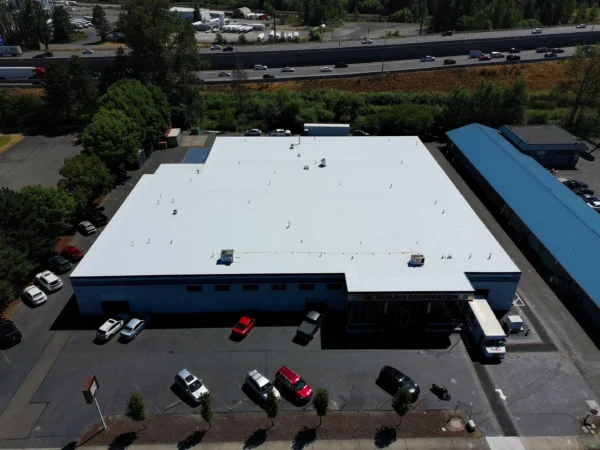
Roof retrofit upgrading aging standing-seam metal to a TPO system, no full tear-off needed.

View project →

Commercial Roof Project - Legend Auto Sales
Puyallup, WA

Legend Auto Sales

Tear-Off · Asbestos Abatement

Full roof tear-off with asbestos abatement and complete replacement for an auto dealership.

View project →
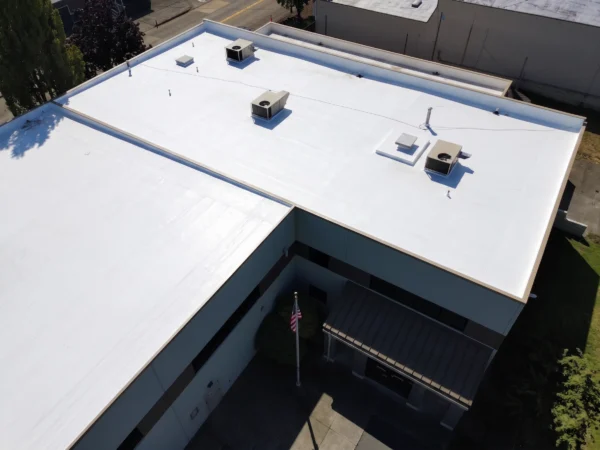
Commercial Roof Project - Demgy Pacific
Tacoma, WA

Demgy Pacific

TPO Roof Overlay

TPO overlay for a precision manufacturer of high-performance plastics and composite components.

View project →

Certifications & Partnerships

Trusted Partners. Certified Products. Better Projects.

Washington Weather Shield uses certified products on their projects and is backed by proven industry partners.

Certified Product Partners

Meet Our Team

The Certified Professionals Behind Every Roof

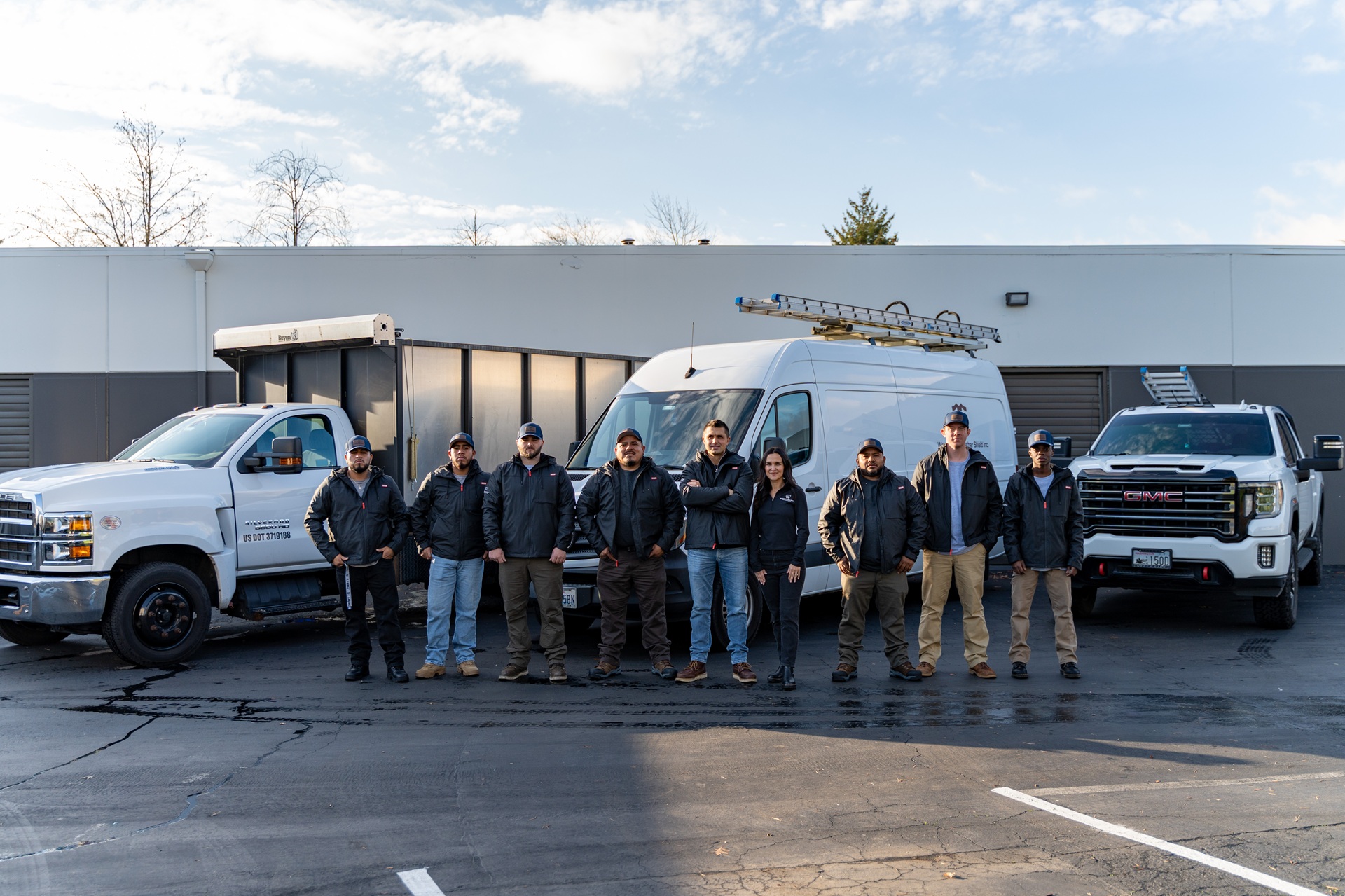
Washington Weather Shield is a family-owned commercial roofing company based in Tukwila. Ivan and Rita Prokopets run the business and stay involved in projects, from the first site visit to the closeout walk.

Ivan Prokopets, Owner and CEO of Washington Weather Shield

Ivan Prokopets

Owner & CEO
Rita Prokopets, Chief Operating Officer of Washington Weather Shield

Rita Prokopets

Chief Operating Officer

What Owners, Boards, and Managers Say About Our Work

Customers Love What We Do

An HOA board or regional property manager wants to know that the contractor will show up as promised, communicate throughout the project, and minimize disruption for residents. See what property owners, HOA boards, and managers across the Greater Seattle Area have to say about their experience working with Washington Weather Shield.

5.0
Google · 47 reviews

FAQs on Multi-Family Roofing

General FAQs

Most apartment complexes and larger multi-family buildings fall under the commercial building code for roofing and permitting purposes, even though the buildings themselves are residentially occupied. The applicable code depends on the building’s configuration, occupancy classification, height, and other factors. Many apartment and condominium buildings are classified as Group R-2 occupancies and often include flat or low-slope roofing systems that require commercial roofing expertise. We review each property and its roof system individually to determine the appropriate roofing approach and permitting requirements.

The best roofing system depends more on the roof’s design, existing assembly, and use than on the fact that it’s an apartment building. Flat and low-slope sections commonly use single-ply membranes such as TPO or PVC, while pitched sections may use composition shingles or metal roofing. Many multi-family properties have a combination of flat and pitched roof areas, which makes proper detailing at transitions especially important. We inspect the existing roof and recommend the system—or combination of systems—that best fits the building.

A properly installed and maintained membrane roof can commonly provide 20 to 30 years of service life, while some metal roofing systems can last considerably longer. On multi-family properties, roof life can be shortened by frequent foot traffic, uncontrolled roof access, work by other trades, and new penetrations that aren’t properly flashed. Deferred maintenance can accelerate deterioration as well. Regular inspections and preventative maintenance can help identify small issues early and give the roof the best opportunity to reach its expected service life.

We generally recommend inspecting a multifamily roof twice a year—once before the wet season and again afterward—as well as after major storms or wind events. Regular inspections help catch drainage issues, failing seams, flashing problems, and damage from rooftop traffic before they turn into interior leaks. For condo and HOA communities, current roof-condition information can also be valuable for reserve planning and budgeting. Our maintenance inspections include written documentation so property managers and boards have an up-to-date record of the roof’s condition.

On a rental property, roofing responsibility generally falls to the property owner. For condos and HOAs, the roof is commonly treated as a common element maintained by the association, with major work funded through reserves or, when necessary, a special assessment. However, responsibility can vary based on the association’s declaration, CC&Rs, governing documents, and the circumstances involved. Those documents should always be reviewed before determining who is responsible for a particular repair or expense. We provide a clear scope and documentation so the responsible parties understand exactly what work is being performed and what they’re paying for.

Careful planning and phasing make the biggest difference. On a multi-building complex, we can sequence work by building or section to limit the number of residents affected at one time. On a single building, we coordinate work zones, material staging, access, and scheduling with the property owner, HOA, or property manager based on their specific needs. We also prioritize keeping entrances and common areas accessible and cleaning work areas throughout the project to minimize disruption for residents.

Pricing & Contracts

Two numbers set the baseline: your building’s square footage and the roof system you choose. Everything beyond that comes down to the condition of the roof underneath and what it takes to get it watertight again.

Factors that affect the price include:

  • Square footage and roof size
  • System type (TPO, PVC, metal, shingles, or coatings)
  • Full tear-off vs. installing over an existing roof
  • Insulation and energy-code requirements
  • Roof complexity (drains, curbs, skylights, parapets, penetrations)
  • Access and staging (cranes, lifts, occupied-building work hours)
  • Deck or substrate repairs if damage turns up during tear-off
  • Warranty level and coverage

Every proposal starts with an inspection of the actual roof rather than pricing from square footage alone. That allows us to build the scope and pricing around what the building actually needs.

Yes. Every repair, maintenance, restoration, and replacement proposal comes in writing with the recommended system, the scope of work, and warranty options. You should be able to hand it to an owner or a board and have it stand on its own.

All contracts must be signed prior to the start of the project. Our standard payment schedule is 50% upfront to order materials and secure your installation dates on our calendar, with the remaining 50% due upon completion. For larger projects, progress payments may be requested during the work, depending on the size and scope.

Expertise & Credentials

Yes. Washington Weather Shield is fully licensed, and our team is trained and certified to install roofing systems using manufacturer-approved methods for long-term performance and warranty compliance. We are certified with top commercial roofing manufacturers, including GAF (TPO & PVC), Versico (TPO & PVC), Duro-Last (PVC), and GE Enduris, and we’re especially proud to hold GAF GoldElite Commercial Contractor status, a highly selective certification level.

At Washington Weather Shield, our commercial roofing crews complete ongoing hands-on training to stay current on the latest installation methods, safety standards, and manufacturer requirements. This includes training and education through top roofing manufacturers such as GAF (TPO & PVC), Versico (TPO & PVC), Duro-Last (PVC), and GE Enduris, helping ensure every roof we install meets professional standards and warranty guidelines.

Yes. Washington Weather Shield installs manufacturer-backed commercial roofing systems. All of our roofing systems are built using trusted, manufacturer-approved materials and installation methods to support long-term performance and warranty eligibility.

A qualified multi-family roofer should have proven experience with flat and low-slope roofing, proper licensing and insurance, strong safety practices, and the ability to provide detailed scopes, references, and warranty options. At Washington Weather Shield, we meet these standards through our commercial roofing expertise, manufacturer certifications, and our commitment to professional installation methods and long-term roof performance.

Resources Hub

Guides for Property Managers and Building Owners

Our articles cover the questions we hear most from property managers and owners: how to choose a contractor, what an inspection covers, and what to expect during an install. Browse the latest, or visit the full FAQ page and project gallery.

The Washington Weather Shield team standing in front of their service trucks and vans
What Is the Best Commercial Roofing Material for Seattle Buildings?
RoofingJuly 31, 2026 · 12 min read

What Is the Best Commercial Roofing Material for Seattle Buildings?

When building owners ask, "What is the best commercial roofing material?" the answer is rarely straightforward. As Rita Prokopets, Chief Operating Officer…

Read the article →

Request a Multi-Family Roofing Estimate for Your Property

Take the First Step Toward a Better Roof

Tell us the building type and the problem. We will inspect the roof, scope the work, and send a written quote with a schedule that fits how your residents actually live. As a multi-family roofing contractor we work across the Greater Seattle Area, from a single condo complex roofing project to a full portfolio review.

BOOKING FORM

Request Roofing Inspection